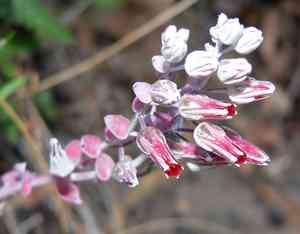
Chalk Lettuce (Dudleya pulverulenta)
Also known as: Chalk Liveforever, Arizona Dudleya
Chalk Lettuce (Dudleya pulverulenta) is a succulent that relies on hummingbirds and bumblebees for pollination. Also known as the chalk liveforever, this plant thrives best on rock walls or slopes. Planting it horizontally can lead to water accumulation and root rot. The leaves of Chalk Lettuce have a distinct waxy coating and are particularly vulnerable to aphid infestations, which can cause leaf deformities.
In This Article
Attributes of Chalk Lettuce
Lifespan
Perennial
Plant Type
Herb
Plant Height
30 cm to 91 cm
Spread
40 cm
Leaf Color
Green Blue Bronze
Flower Size
2.5 cm
Flower Color
Red Yellow Orange
Images of Chalk Lettuce
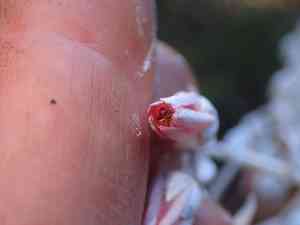
Quickly Identify Chalk Lettuce
1
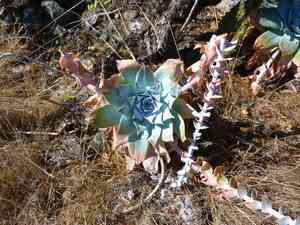
Large ground-level rosettes up to 18 inches (46 cm) in diameter.
2
Chalky-white leaves with frosted appearance and powdery coating.
3
Basal stem thickens up to 2 inches (5 cm).
4
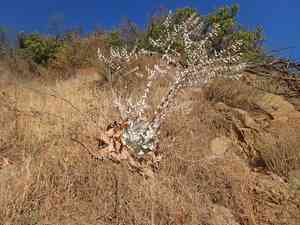
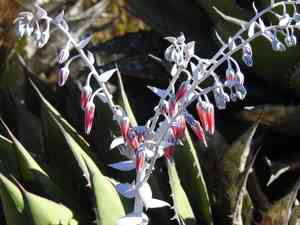
Stout silvery-white flowering spikes, 1 to 2 feet (30 to 60 cm) tall.
5
Clusters of reddish blooms in late spring to early summer.
Scientific Classification of Chalk Lettuce
Phylum
Vascular plants
Class
Dicotyledons
Order
Saxifragales
Family
Stonecrop
Genus
Liveforevers
Species
Chalk Lettuce
Planting and Growing of Chalk Lettuce
Care Difficulty
Easy
Watering Schedule
Every 2 days
Sunlight Requirements
Full sun
Sunshine Duration
4-8 hours
Ideal Temperature
60-75℉
Soil Type
Potting Mix, Peat Mix
Soil pH
6.5-7.5
Fertilizer Type
Balanced
Pruning Season
Spring, Summer
Pruning Area
Branches, Leaves
Pruning Frequency
2 times a year
Repotting Season
Spring
Pot Type
Plastic, Ceramic
 How to Water Chalk Lettuce?
The watering amount for Dudleya pulverulenta should be modest. You should add just enough water to thoroughly moisten the soil, ensuring that it still drains well. While their natural habitat is arid, they do require sufficient moisture to thrive, especially in the growing season. Aim to water until you see a slight runoff, indicating that the soil has absorbed the necessary amount without waterlogging.
What are the symptoms of an underwatered Chalk Lettuce?
›
What should I do if my Chalk Lettuce is not getting enough water?
›
What are the symptoms of an overwatered Chalk Lettuce?
›
How to save an overwatered Chalk Lettuce?
›
 What Are the Sunlight Requirements for Chalk Lettuce?
Partial to full sun exposure best suits Dudleya pulverulenta, ensuring it develops resilient foliage and vibrant growth patterns. Suitable lighting aids in balancing moisture retention with growth needs, establishing an optimal growing environment.
More About Sunlight Requirements Techniques→
How can Dudleya pulverulenta achieve optimal lighting?
›
What are the specific actions to ensure Dudleya pulverulenta receives proper light?
›
What benefits does ideal lighting bring to Dudleya pulverulenta?
›
 What Is the Ideal Temperature Range for Chalk Lettuce?
The ideal temperature range for Dudleya pulverulenta is between 60°F and 75°F. This range provides optimal conditions for growth and development, ensuring that the plant can thrive without experiencing thermal stress. In this temperature range, the metabolic processes of the plant remain efficient and balanced, promoting healthy foliage and potential flowering.
 What Soil is Best for Chalk Lettuce?
Dudleya pulverulenta thrives in well-draining soil to prevent root rot. Proper drainage ensures the plant's roots can breathe, maintaining their health and vigor. This plant prefers soil with low nutrient content, similar to its native environments. Excessive nutrients can lead to poor growth, so keeping the soil lean is beneficial. Incorporating mineral-rich content, such as calcium, supports the plant's structural development and mimics its natural rocky habitat.
 How to Fertilize Chalk Lettuce?
For Dudleya pulverulenta, use a balanced, water-soluble fertilizer diluted to half the recommended strength. This means if the label suggests 1 tablespoon per gallon of water, you should use only 1/2 tablespoon. This minimal amount prevents over-fertilization and supports the plant's growth without overwhelming its root system.
 How to Prune Chalk Lettuce?
Before starting, carefully examine the plant to identify any dead or dying leaves, as well as spent flower stalks. This will help you determine what needs to be removed to promote healthier growth. Start by removing any dead or dried-out leaves from the plant's base, as these can harbor pests or diseases. Gently cut the leaves close to the stem without cutting into the main plant. After the flowering period, cut back the spent flower stalks to the base. This step encourages the plant to focus its energy on developing new leaves and strengthening its structure. Once pruning is complete, water the plant sparingly to allow it to recover without the risk of root rot. Ensure it's placed in an area with adequate sunlight, as this will support its growth and health.
 How to Propagate Chalk Lettuce plant?
1
Start by selecting healthy Dudleya pulverulenta seeds. Spread them evenly in a seed tray filled with a well-draining soil mix. Lightly cover with a thin layer of soil to protect them while they sprout.
2
Select a healthy section of the plant and use sterilized pruning shears to cut 3-4 inch sections. It's crucial that the cuts are clean to encourage smooth healing and optimal root development.
3
Allow the cuttings to callous over for a few days before planting them in a mix of half sand and half potting soil. This step helps in preventing rot when the cuttings are set into the soil.
 How to Repot Chalk Lettuce plant?
1
Repot your Dudleya pulverulenta when you notice the roots are tightly bound in the pot or if the plant has outgrown its current space. Spring and Summer are ideal seasons for repotting, as the plant is in its active growth phase, making it more resilient to stress during the transition.
2
Choose a pot that is slightly larger than the current one with sufficient drainage holes. A well-draining pot helps prevent waterlogging, which can lead to root rot. Terra cotta pots are a great choice as they allow airflow, promoting healthy root growth, and add a natural aesthetic to the plant.
3
Select a soil mix specifically designed for cacti and succulents. This type of soil ensures excellent drainage and prevents excessive moisture retention, reducing the risk of root rot. A mix that includes sand, perlite, or grit can mimic the plant's natural environment, supporting vigorous growth.



