How to Propagate Chalk Lettuce?
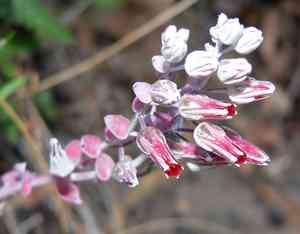
Othonna capensis, commonly known as Chalk Lettuce, is a succulent recognized for its plump foliage covered in a fine, dusty layer, contributing to its unique look. For multiplying Chalk Lettuce, taking cuttings represents the most efficient approach, guaranteeing a strong rate of success for cultivators. It is crucial to choose vigorous, fully developed leaves or stem sections for this procedure. Let the cuttings dry and form a callus for several days prior to placing them in a substrate that drains effectively. This careful attention fosters strong root formation and enhances general development.
Optimal Time for Chalk Lettuce Propagation
Propagation Method
Cutting
Propagation Period
Spring,Summer
Tools for Chalk Lettuce Propagation
Sharp Scissors or Pruning Shears
Essential for making clean cuts on chalk Lettuce rosettes or leaves. A precise cut prevents infection and promotes quick healing, vital for successful propagation.
Sterilizing Agent (e.g., Isopropyl Alcohol)
Used to sanitize cutting tools before and after use, reducing the risk of disease spread between plants. This is especially important for chalk Lettuce, which can be prone to fungal infections at cut sites.
Rooting Hormone
Aids in stimulating root development from chalk Lettuce cuttings. Applying rooting hormone to the base of cuttings improves success rates by encouraging faster root formation, crucial for new plant establishment.
Well-Draining Potting Mix
Crucial for chalk Lettuce propagation, as it needs a medium that mimics its natural rocky environment. A mix that drains well helps prevent rot, a common issue when propagating succulents like chalk Lettuce.
Small Pots or Trays
Used for planting the cuttings. Small, shallow containers are ideal as they prevent excessive moisture around the roots, reducing root rot risk while providing sufficient space for initial root growth of chalk Lettuce.
Plastic Wrap or Propagation Dome
Helps maintain high humidity around chalk Lettuce cuttings, which benefits rooting success. It creates a microenvironment that keeps cuttings moist and encourages root growth before they are gradually acclimated to normal conditions.
How to Propagate Chalk Lettuce?
Propagation Type
Easy
Caring for Newly Propagated Chalk Lettuce
Caring for Newly Propagated Chalk Lettuce
Post-propagation, continue to provide chalk Lettuce with appropriate care. Position young plants in bright, indirect sunlight, gradually acclimating them to more direct light to avoid sunburn. Water when the soil feels dry, avoiding overwatering, as chalk Lettuce is drought-tolerant. Fertilize sparingly with a balanced, diluted succulent fertilizer during the growing season. Protect from freezing temperatures and excess winter moisture to prevent rot.
Common Errors to Avoid When Propagating Chalk Lettuce
Overwatering
Excessive watering of chalk Lettuce can lead to root rot due to its succulent nature and efficient water storage. Overwatering results in soft, mushy roots and leaves, ultimately killing the plant.
Using non-draining soils
Planting chalk Lettuce in soil that lacks proper drainage can trap water around the roots, which is detrimental as chalk Lettuce is susceptible to rot in wet conditions.
Neglecting light requirements
Chalk Lettuce needs bright light to thrive; propagating it in low-light conditions will cause leggy growth and weak plants less likely to survive.
Improper leaf removal
Gardeners often damage chalk Lettuce leaves during propagation attempts, unaware that a clean break is essential for successful leaf propagation.
Ignoring pest control
Pests like aphids and mealybugs can impede chalk Lettuce's growth. Neglecting pest control can lead to infestations that harm the plant's health.
Tips For Propagating Chalk Lettuce
Allow cuttings to callous
Before planting chalk Lettuce cuttings, they should be allowed to form a callus for several days to prevent rot and encourage root development.
Use well-draining soil
Choosing a well-draining soil mix helps prevent waterlogging, ensuring chalk Lettuce roots receive the ideal balance of moisture and aeration.
Provide ample lighting
Ensuring chalk Lettuce receives bright, indirect light during propagation promotes healthy growth and prevents etiolation.
Gentle handling
Exercising extra care when gently removing leaves or cuttings from chalk Lettuce ensures a clean break, which is crucial for successful propagation.
Monitor for pests
Regularly inspecting chalk Lettuce for pest signs and addressing issues promptly will keep the plant healthy and better able to focus energy on new growth.



