How to Transplant Fingertips?
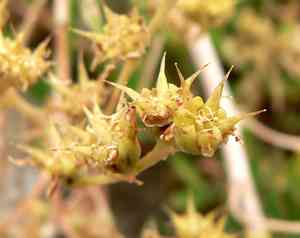
For fingertips, the initial to middle spring period offers an ideal window for relocation. Select a brightly lit area featuring superior drainage to guarantee fingertips flourishes. A helpful tip: keep the root system intact for optimal development!
What Preparations are Needed Before Transplanting Fingertips?
What is the Ideal Time for Transplanting Fingertips?
The optimal period to relocate fingertips is at the start of spring, typically early to mid-spring. This timeframe offers moderate temperatures and sufficient rainfall, creating perfect conditions for root establishment for fingertips, free from the stress of extreme heat or cold. Moving fingertips at this point promotes robust growth and development, allowing the plant to flourish and adapt to its new spot before harsh summer conditions arrive. Selecting this season for the move guarantees fingertips establishes a strong foundation, leading to a vigorous, thriving plant.
How Much Space Should You Leave Between Fingertips Plants?
Begin by planning your garden layout. This is crucial for fingertips's development. Ideally, aim for a spacing of approximately 1-2 feet (30-60 cm) between each plant. This provides ample room for them to mature, maintains their health, and helps them prosper.
What is the Best Soil Mix for Fingertips Transplanting?
Next, prepare the growing medium. Fingertips prefers soil that drains well; sandy or loamy types are ideal. For initial fertilization, a slow-release granular fertilizer is a good option. Incorporate it into the soil before transplanting for optimal outcomes.
Where Should You Relocate Your Fingertips?
Finally, let's discuss sunlight. Fingertips thrives in sun, so ensure you position it where it will receive six hours of direct sunlight daily. A full sun location is best for its growth and vitality.
What Equipments Should You Prepare Before Transplantation Fingertips?
Gardening Gloves
These will safeguard your hands from sharp plant parts and keep them clean.
Shovel or Garden Spade
Perfect for excavating the fingertips plant without harming its roots.
Pruning Shears
Useful for trimming away any dead or diseased sections of the plant.
A Pot (If required)
If moving from the ground to a container, you'll need an appropriately sized pot with drainage holes.
Garden Trowel
Helpful for digging small holes when transplanting from a pot or seedling tray to the ground.
Watering Can
Essential for hydrating the fingertips plant both before and after its relocation.
How Do You Remove Fingertips from the Soil?
How Do You Remove Fingertips from the Soil?
From Ground: Begin by watering the fingertips plants two hours beforehand to ease removal. Then, using a shovel, carefully dig a wide trench around the plant, ensuring the root ball stays intact. Next, gently lift the plant from its original spot, keeping as much soil around the roots as possible.From Pot: To extract the fingertips plant from a pot, water it to help the soil cohere. Then, place your hand at the plant's base, invert the pot, and gently shake until the plant slides out.From Seedling Tray: When fingertips plants are in a seedling tray, ensure they are well-hydrated before removal. With a small trowel, carefully separate the seedling from adjacent plants, making sure to gently scoop it without damaging the roots or leaves.
Step-by-Step Guide for Transplanting Fingertips
Preparation
Start by getting the new spot ready for your fingertips plant. The hole should be twice the width and depth of your root ball. Place some compost or nutrient-rich soil at the bottom of the hole for extra nourishment.
Transfer
Position your fingertips plant in the hole. Make sure it's at the same depth as it was in its previous location. Backfill the hole with soil, pressing down gently to eliminate any air pockets, but avoid over-compacting the soil as this can hinder root growth.
Watering
Thoroughly water the newly transplanted plant. This helps the roots establish contact with the surrounding soil.
Mulching
Apply a layer of mulch around the plant, which assists in keeping the roots moist and cool and helps prevent weed growth.
How Do You Care For Fingertips After Transplanting?
Watering
Ensure the fingertips plant receives a good drink after transplanting, but avoid overwatering. Allow the soil to dry out between waterings to mimic fingertips's natural drought-tolerant characteristics.
Pruning
Remove any dead or damaged leaves after the transplant to speed up recovery. This reduces the plant's energy expenditure on unproductive or compromised parts.
Observation
Monitor your fingertips plant over the subsequent weeks to observe its adjustment to the new location. Pay close attention to the color and firmness of the leaves. Wilting or discoloration can indicate stress, so it's vital to address any issues promptly.
Troubleshooting Common Issues with Fingertips Transplantation.
When is the best time to transplant fingertips?
The ideal time to transplant fingertips is during S1-S2. This provides the plant ample time to settle before the active growth season.
What is the ideal spacing when transplanting fingertips?
It's beneficial for fingertips plants to have sufficient room to flourish. Aim for a spacing of 1-2 feet (30-60 cm).
How deep should fingertips be planted?
Ensure you plant your fingertips at the same depth as it was in its original pot. This prevents root damage during transplanting.
How should I prepare the soil before transplanting fingertips?
For optimal results, enrich your soil with compost to enhance its structure, nutrients, and drainage - all vital elements for fingertips's development.
What should I do if my transplanted fingertips wilts?
Do not be concerned if your fingertips wilts after transplanting. This is a common response to transplant shock. Keep it adequately hydrated, and it should recover.
Should I water fingertips immediately after transplanting?
Indeed! Watering fingertips right after transplanting helps to compact the soil around the roots and minimizes the risk of transplant shock.
Can I use any type of soil for transplanting fingertips?
To ensure vigorous growth, fingertips prefers well-draining soil. A mixture of garden soil and coarse sand should be effective.
How can I minimize transplant shock in fingertips?
Move the fingertips during its dormant period, keep the root ball intact, and water thoroughly after transplanting. This lessens the chance of transplant shock.
Why are the leaves of my transplanted fingertips turning yellow?
If your fingertips leaves are yellowing, it might be due to overwatering. Ensure your plant has well-drained soil and adjust watering accordingly.
Can I transplant fingertips in a pot?
Absolutely! Fingertips can thrive in containers. Make sure your pot has adequate drainage and is large enough to accommodate the plant's expanding roots.



