Enhancing Your Garden Design with the Fingertips Plant: A Landscaping Guide
1
Fingertips excels at improving the aesthetics of rock gardens and contemporary minimalist outdoor spaces.
2
The small, dense growth pattern of Fingertips renders it suitable for tidy and structured garden layouts.
3
Fingertips offers continuous color and aesthetic appeal to your outdoor environment throughout the year.
Appreciating the Distinctive Look of Fingertips
Unique foliage that adds texture to garden areas
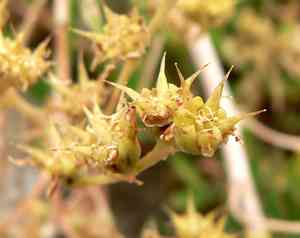
For enhancing garden beauty, Fingertips stands out with its unique leaves. The elongated foliage of this succulent creates an interesting textural element, transforming a simple garden space into a visually captivating spot. The distinct texture of Fingertips not only draws the eye but also offers a tactile experience, enriching your garden's sensory appeal. Whether planted alone or in groups, Fingertips adds depth and character to garden beds, borders, and containers.
Compact growth habit, perfect for tidy designs
A key feature of Fingertips is its contained growth pattern. This makes it an excellent choice for gardeners who prefer neat and organized garden layouts. Unlike some spreading plants that can dominate garden areas, Fingertips maintains a compact form that is easy to manage. This makes it especially suitable for small gardens, urban settings, and places where space is limited. Additionally, its small size ensures it blends well with other plants and doesn't overshadow its garden companions.
Year-round vibrant color to brighten your landscape
Another remarkable trait of Fingertips is its ability to provide consistent color throughout the year. The foliage of Fingertips keeps its lively shade regardless of the season, ensuring your garden always has a pop of color. This enduring quality is particularly valuable in climates with significant seasonal changes, as Fingertips can offer a touch of green even in colder months. Its capacity to maintain color year-round makes it a versatile addition to any garden, providing continuous visual interest and preventing the dullness gardens can sometimes experience during off-peak times.
Integrating Fingertips into Various Landscape Styles
Ideal for rock gardens and rugged landscape designs
Fingertips is especially well-suited for rock gardens and designs featuring rugged terrain. Its robust nature and drought tolerance allow it to thrive in the well-draining, often nutrient-poor soils typical of rock gardens. The plant's ability to firmly root itself in rocky crevices contributes to the authentic look of these garden styles. Furthermore, the striking outline of Fingertips against rocks and gravel creates a natural, effortless beauty that enhances the rugged charm of such landscapes.
Enhancing minimalist modern outdoor spaces
For those who prefer a minimalist and contemporary garden style, Fingertips offers an excellent plant option. The clean, simple lines of Fingertips's foliage align perfectly with modern design principles. It can serve as a focal point or be used repeatedly to create a sense of rhythm and cohesion across a landscaped area. In minimalist settings, the structured form and subtle yet vibrant color of Fingertips stand out against hardscape elements like concrete, metal, or sparse plantings, introducing a touch of nature without overwhelming the design.
Complementing water-efficient xeriscapes
Xeriscaping focuses on creating attractive landscapes that use minimal water, and Fingertips fits perfectly into this concept. As a succulent native to arid regions, Fingertips is naturally drought-tolerant and thrives with very little water. Its low-water needs and strong visual appeal make it a natural choice for xeriscapes, where it can be paired with other drought-resistant plants. This not only reduces water consumption but also creates a cohesive, sustainable, and visually pleasing landscape.
Optimal Pairings with Fingertips for Striking Visual Effects
Pairing with native grasses and perennial plants
Combining Fingertips with native grasses and perennials can create a harmonious and visually appealing garden. Native grasses add contrasting texture and movement, balancing the structured form of Fingertips. Perennials, on the other hand, can introduce seasonal bursts of color that complement the consistent hue of Fingertips. By selecting plants that share similar growing conditions, you can ensure all elements of your planting complement each other both aesthetically and ecologically, fostering a healthier and more sustainable garden ecosystem.
Creating contrasts with broad-leaved plants
The unique structure of Fingertips makes it an excellent plant for creating visual contrasts with larger, leafy plants. The elongated leaves of Fingertips provide a sharp contrast to broad, lush foliage, highlighting both forms. This juxtaposition creates dynamic visual interest, drawing the eye across different parts of the garden. Large leafy plants can also serve as a backdrop, enhancing the prominence of Fingertips and making its distinctive shape and texture even more pronounced in the overall landscape.
Using ground covers to complement Fingertips's structure
Ground covers can be particularly effective in complementing the structure of Fingertips. Low-growing plants such as creeping thyme, sedum, or other succulents can create a living carpet around Fingertips, softening transitions and filling in gaps without detracting from the main plant. This layering approach adds depth and dimension to your garden, creating a lush, cohesive look. By choosing ground covers that thrive in the same conditions as Fingertips, you ensure a well-integrated and low-maintenance planting scheme.
Seasonal Considerations When Using Fingertips in Landscaping
Visual appeal with Fingertips through the changing seasons
Fingertips offers visual interest throughout the changing seasons, making it a dependable plant for year-round landscaping. In spring and summer, its foliage is at its best, displaying vibrant colors and vigorous growth. In autumn, the contrast between Fingertips and the changing colors of deciduous plants can create a stunning effect. Even in winter, Fingertips retains its structure and color, offering a green reprieve in a landscape that might otherwise appear barren. This seasonal adaptability makes Fingertips an invaluable addition to any garden.
Choosing companion plants for year-round color balance
To ensure a garden that remains colorful and engaging throughout the year, selecting companion plants that provide seasonally complementary colors is crucial. Plants that bloom at different times can fill in the gaps left by others, creating a continuous flow of color. With Fingertips maintaining its hue all year, you can plan for spring and summer flowers, autumn foliage, and winter-interest plants like evergreens and berried shrubs. This strategic pairing ensures your garden remains vibrant and inviting, regardless of the season.



