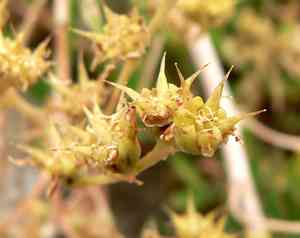
Fingertips (Dudleya edulis)
Also known as: Finger-leaved Dudleya, Fingertip Dudleya
Lady Fingers (Dudleya edulis) is a flowering succulent, also known as Mission Lettuce. Native to coastal California and Baja California, it thrives in rocky soils. The plant is primarily pollinated by bees and hummingbirds. Additionally, it is sometimes referred to as Dead Man's Fingers and is commonly used as ground cover in gardens designed to attract hummingbirds.
In This Article
Attributes of Fingertips
Lifespan
Perennial
Plant Type
Herb
Plant Height
1 m
Spread
1 m
Leaf Color
Green
Flower Size
2.5 cm
Flower Color
White Green
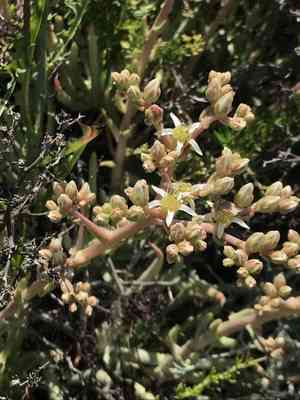
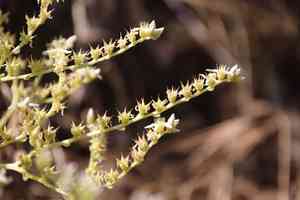
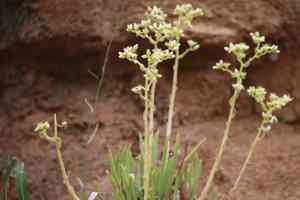
Images of Fingertips
Quickly Identify Fingertips
1
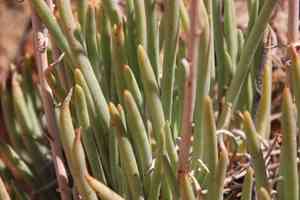
Dudleya edulis can be identified by its unique cylindrical, finger-like leaves that are green and smooth. The plant forms rosettes, and during flowering, it produces small yellow or white flowers on tall stalks.
Scientific Classification of Fingertips
Phylum
Vascular plants
Class
Dicotyledons
Order
Saxifragales
Family
Stonecrop
Genus
Liveforevers
Species
Fingertips
Planting and Growing of Fingertips
Care Difficulty
Easy
Watering Schedule
Every 2 days
Sunlight Requirements
Full sun
Sunshine Duration
6-10 hours
Ideal Temperature
60-75℉
Soil Type
Potting Mix, Peat Mix
Soil pH
6.5-7.5
Fertilizer Type
Balanced
Pruning Season
Spring, Summer
Pruning Area
Branches, Leaves
Pruning Frequency
2 times a year
Repotting Season
Spring
Pot Type
Plastic, Ceramic
 How to Water Fingertips?
For Dudleya edulis, it's essential to follow the 'soak and dry' principle. This means watering generously with roughly 50 ml until the soil is saturated. After watering, the soil should feel moist but not soggy, allowing excess water to escape to prevent root rot.
What are the symptoms of an underwatered Fingertips?
›
What should I do if my Fingertips is not getting enough water?
›
What are the symptoms of an overwatered Fingertips?
›
How to save an overwatered Fingertips?
›
 What Are the Sunlight Requirements for Fingertips?
Dudleya edulis thrives in full to partial sunlight, ideally receiving 4 to 8 hours of bright light daily. This optimizes photosynthesis, enhancing growth and overall health.
More About Sunlight Requirements Techniques→
What is the best location for Dudleya edulis to receive sunlight?
›
How can I ensure adequate light exposure for Dudleya edulis indoors?
›
What happens if Dudleya edulis gets ideal sunlight exposure?
›
 What Is the Ideal Temperature Range for Fingertips?
For the optimal growth of Dudleya edulis, maintaining a temperature range between 60°F and 75°F is crucial. This range supports the plant's metabolic processes and ensures healthy growth. When the temperature is within this bracket, Dudleya edulis can efficiently photosynthesize and maintain its physiological balance.
 What Soil is Best for Fingertips?
Dudleya edulis thrives in well-draining soil, which prevents waterlogging and root rot. Ensuring your soil drains well will keep the roots healthy and promote vigorous growth. This plant is adapted to nutrient-poor soils, so avoid using rich organic matter. Opt for lean, gritty soil to mimic its natural environment, which encourages compact and resilient growth. With its preference for sunny locations, the soil should remain less humid. Proper sunlight and dry soil conditions help maintain the plant’s characteristic drought tolerance.
 How to Fertilize Fingertips?
For Dudleya edulis, use a dilute liquid fertilizer at half the recommended strength to avoid overfeeding. Focus on using low-nitrogen formulas. Each application should be light, especially since Dudleya is a succulent and requires minimal nutrients compared to other plants.
 How to Prune Fingertips?
Begin by identifying any dead or damaged leaves and carefully cut them away at their base using sharp, sterilized scissors. Next, assess the plant's overall shape and trim any excessively long stems to maintain its compact form. Be gentle to avoid damaging healthy tissue, and ensure that you do not remove more than a third of the plant at once. After pruning, allow the plant to recover by providing sufficient light and reducing water slightly to prevent stress-related issues. Check for pests and apply a gentle fungicide if necessary to protect the fresh cuts from infection.
 How to Propagate Fingertips plant?
1
Choose robust parent plants without any signs of pest damage or disease. This ensures that the cuttings or seeds collected are healthy and have a higher likelihood of successful propagation.
2
Use a sterile cutting knife to carefully take cuttings from the plant. Aim to cut close to the base of the stem during the early morning or late afternoon to avoid dehydration.
3
Scatter seeds evenly over the prepared seed tray and lightly cover them with soil. Ensure the soil is moist but not saturated.
 How to Repot Fingertips plant?
1
Repot Dudleya edulis when it starts to outgrow its current container or the soil becomes compacted. Indicators include roots growing out of the drainage holes or visibly overcrowding the pot. The best time for repotting is during its active growth periods in spring or early summer.
2
Select a pot that is slightly larger than the current one, with adequate drainage holes. This prevents water accumulation and root rot. Using a pot made of breathable materials like clay or terracotta ensures moisture does not linger, replicating the plant’s natural arid environment.
3
Opt for a well-draining cactus mix to mimic Dudleya edulis' rocky habitat. A mix that is too rich retains excessive moisture, risking rot. A gritty, sandy mix will help support healthy drainage and prevent root-related diseases.



