How to Transplant Clinton's wood fern?
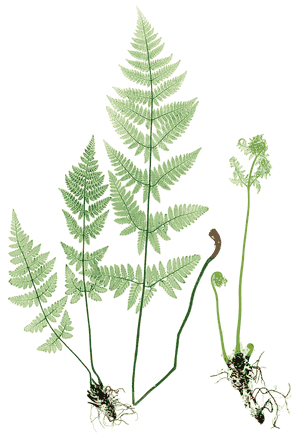
Clinton's wood fern flourishes when relocated during its flowering period, spanning from early to late spring, owing to moderate temperatures and sufficient time for post-relocation development. Choose a shaded, damp spot to guarantee successful rooting and robustness.
Necessary Preparations Before Relocating Clinton's Wood Fern?
Optimal Timing for Moving Clinton's Wood Fern?
The best time to move clinton's wood fern is from early to mid-spring, allowing the plant to establish roots before summer. This period ensures better moisture availability and less heat stress, promoting strong growth and higher survival rates. This preparation helps the plant adapt successfully to its new spot.
Required Spacing Between Clinton's Wood Fern Specimens?
When moving clinton's wood fern, position the ferns 18-24 inches (45-60 cm) apart. This provides ample room for development and ensures good air circulation, which contributes to plant health.
Ideal Soil Blend for Clinton's Wood Fern Relocation?
For your clinton's wood fern, utilize well-draining, rich loamy soil. Incorporate a foundational fertilizer such as compost or aged manure to boost soil fertility and encourage vigorous growth.
Recommended New Location for Your Clinton's Wood Fern?
Select a site with partial to full shade for clinton's wood fern. Avoid direct sunlight, as it can scorch the delicate fronds and hinder growth.
Equipment to Prepare Before Transplanting Clinton's Wood Fern?
Gardening Gloves
To safeguard your hands while handling soil and plants.
Spade or Shovel
For digging around and lifting the plant from the ground.
Garden Fork
To loosen the soil surrounding the plant's roots and aid in easier removal.
Watering Can or Hose
For hydrating the plant before and after its relocation.
Wheelbarrow or Container
To transport the plant to its new site.
Pruners
To trim any damaged or overly long roots prior to replanting.
How to Extract Clinton's Wood Fern from the Ground?
How to Extract Clinton's Wood Fern from the Soil?
From Ground: First, hydrate the clinton's wood fern plant to moisten the soil. Next, excavate a wide trench around the plant using a spade or shovel, ensuring the plant's root ball remains intact. Carefully maneuver the spade beneath the root ball to lift the plant from its original spot.From Pot: Water the clinton's wood fern plant thoroughly. Gently tilt the pot on its side and tap the base to dislodge the plant. Slowly and carefully pull the plant out, ensuring the root ball stays intact.From Seedling Tray: Water the clinton's wood fern seedlings well before moving them. Use a small garden fork or your fingers to carefully lift the seedlings from the tray, trying to keep as much soil around the roots as possible.
Detailed Steps for Transplanting Clinton's Wood Fern
Prepare New Site
Select a new location for the clinton's wood fern plant based on its light and space needs.
Dig Planting Hole
Excavate a hole in the new spot that is roughly twice the width and the same depth as the clinton's wood fern's root ball.
Loosen Soil in New Hole
Use a garden fork to gently aerate the soil at the bottom of the hole.
Position Plant in New Hole
Place the clinton's wood fern plant in the hole, ensuring the top of the root ball is level with or slightly above the surrounding soil.
Backfill Hole
Fill the hole around the root ball with soil, gently pressing it down to eliminate any air pockets.
Water Thoroughly
Water the clinton's wood fern plant generously to help settle the soil and minimize transplant shock.
Apply Mulch
Spread a layer of mulch around the plant's base to help retain moisture and regulate soil temperature.
Post-Transplant Care for Clinton's Wood Fern.
Watering
Keep the soil around the clinton's wood fern consistently damp, but not waterlogged, for the initial weeks after transplanting to encourage strong root development.
Mulching
Maintain a 2-4 inch layer of mulch around the plant to conserve moisture and deter weeds.
Monitoring
Regularly inspect the plant for signs of distress, such as wilting or yellowing leaves, and adjust care as necessary.
Support
If the clinton's wood fern plant appears unstable, provide support with stakes or ties until it develops a stronger root system.
Inspecting
Check for any pests or diseases and take appropriate action if needed to keep the clinton's wood fern healthy and thriving.
Addressing Common Issues with Clinton's Wood Fern Relocation.
When is the best time to move clinton's wood fern?
Early to late spring is ideal for relocating clinton's wood fern.
How much space should I allow between plants?
Allow approximately 18-24 inches (45-60 cm) of space between each clinton's wood fern plant.
What soil type is optimal for clinton's wood fern?
Clinton's wood fern thrives in well-draining, rich, and moist soil for best growth.
How deep should I plant clinton's wood fern?
Plant clinton's wood fern so its crown is flush with the soil surface.
How to prepare clinton's wood fern before moving?
Water clinton's wood fern thoroughly and gently loosen its roots before transplanting.
What temperature is ideal for moving clinton's wood fern?
Ideal soil temperature is 50-65°F (10-18°C) for transplanting clinton's wood fern.
How to care for clinton's wood fern after moving?
Keep soil consistently moist and protect clinton's wood fern from direct sun post-transplant.
Should I fertilize clinton's wood fern after relocation?
Wait a few weeks before applying a balanced, slow-release fertilizer to clinton's wood fern.
How to handle root-bound clinton's wood fern?
Gently separate the roots of root-bound clinton's wood fern before transplanting.
How to mitigate transplant shock in clinton's wood fern?
Minimize root disturbance and provide ample water to reduce transplant shock in clinton's wood fern.



