How to Propagate Clinton's wood fern?
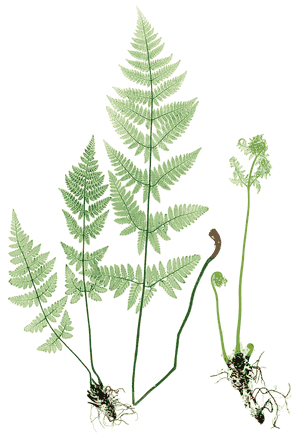
Dryopteris clintoniana flourishes when reproduced via spore dispersal, a technique aligned with its inherent fern reproductive cycle. Initiate the process by gathering mature, greenish-brown spores from established fronds. Disperse these onto a substrate of damp, sterilized peat or a peat-perlite blend, ensuring they are lightly veiled. Position in a warm, moist setting, shielded from direct solar exposure, to stimulate sprouting. Consistent spraying aids in preserving the requisite moisture levels for effective propagation.
When Is the Optimal Time to Propagate Clinton's Wood Fern?
Propagation Method
Seeding
Propagation Period
Spring
What Equipment Is Utilized in Clinton's Wood Fern Propagation?
Spore Collection Vessels
These are small, sealed containers employed for gathering and storing clinton's wood fern spores. Given the microscopic nature of fern spores, these specialized vessels prevent loss and contamination, which is vital for successful propagation.
Fine Mesh Strainer
A fine mesh strainer is essential for separating spores from clinton's wood fern fronds. This tool aids in cleanly and efficiently isolating the spores, ensuring purity and increasing the likelihood of successful germination.
Sterilized Growing Medium
This is used for sowing clinton's wood fern spores. A sterilized medium is crucial to prevent fungal or bacterial growth that could otherwise outcompete or kill the delicate spores and emerging gametophytes.
Humidity Cover
A clear plastic cover that encloses the pot or tray where spores are sown, maintaining high humidity levels necessary for clinton's wood fern spore germination. It facilitates a controlled environment, crucial for the development of these moisture-loving plants.
Misting Sprayer
Used to gently water clinton's wood fern spores without disturbing them. The fine spray from the misting sprayer provides the necessary moisture for spore germination while ensuring the medium does not become waterlogged, which could be detrimental.
How to Propagate Clinton's Wood Fern?
Propagation Difficulty
Simple
How to Care for Your Newly Propagated Clinton's Wood Fern?
How to Care for Your Newly Propagated Clinton's Wood Fern?
After propagation, keep clinton's wood fern in an environment that mimics its natural woodland habitat. This includes partial to full shade and a well-drained, rich organic soil. Regular watering is necessary to keep the soil consistently moist but not waterlogged. Monitor for pests or diseases and treat accordingly. With the right conditions, clinton's wood fern will grow robustly, providing lush greenery.
Common Errors to Avoid When Propagating Clinton's Wood Fern
Insufficient moisture levels
Propagating clinton's wood fern in soil that is either too dry or excessively wet can lead to poor root development or root rot. Consistent but controlled watering is crucial to avoid such issues.
Poor illumination conditions
Exposing clinton's wood fern to direct sunlight or keeping it in deep shade during propagation can stress the plant, impeding growth. Clinton's wood fern thrives best in diffused or indirect light.
Using unsterile tools or media
Utilizing contaminated tools or growing media can introduce pathogens to clinton's wood fern, increasing the risk of disease that can be detrimental to propagation efforts.
Advice For Propagating Clinton's Wood Fern
Use of sterile equipment
To prevent the risk of disease, always use clean, sterilized pots and tools when propagating clinton's wood fern. This hygiene helps promote healthier growth and reduces the occurrence of infections.
Appropriate humidity and warmth
Maintaining a high humidity environment and consistent warmth can aid the rooting process of clinton's wood fern. Using a humidity dome or misting the plants can be particularly beneficial.
Soil composition and drainage
A well-draining, fertile soil mix that retains moisture without becoming waterlogged is ideal for the successful propagation of clinton's wood fern. Ensuring good drainage reduces the risk of root diseases.



