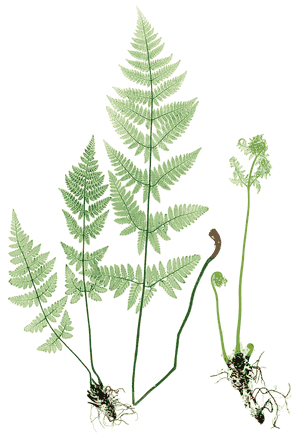
Clinton's wood fern (Dryopteris clintoniana)
Also known as: Clinton's Wood Fern
Dryopteris clintoniana is a fertile hexaploid fern that originates from the hybridization of Dryopteris cristata (a tetraploid) and Dryopteris goldieana (a diploid). This species has emerged through chromosome doubling. It tends to occupy more northern regions compared to its parent species. You can typically find it in wet, shaded environments, much like the habitat preferred by D. cristata.
In This Article
Attributes of Clinton's wood fern
Lifespan
Perennial
Plant Type
Herb
Plant Height
61 cm to 1.2 m
Spread
60 cm
Leaf Color
Green
Flower Size
N/A
Flower Color
N/A
Images of Clinton's wood fern
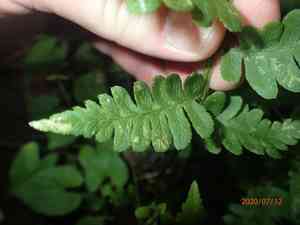
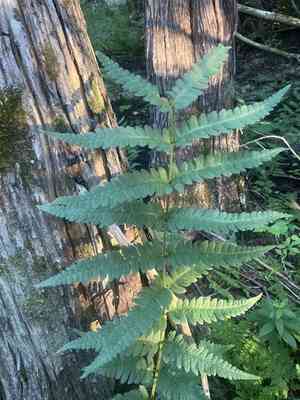
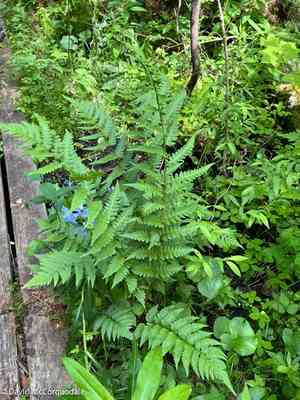
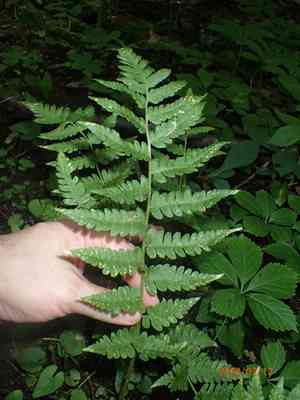
Quickly Identify Clinton's wood fern
1
It can be identified by its large, arching fronds that are bipinnate and can grow up to 3-4 feet in length. The stipes (leaf stalks) are dark and covered with brown scales.
Scientific Classification of Clinton's wood fern
Phylum
Vascular plants
Class
Ferns
Order
Polypodiales
Family
Wood fern
Genus
Wood ferns
Species
Clinton's wood fern
Planting and Growing of Clinton's wood fern
Care Difficulty
Easy
Watering Schedule
Every 2 days
Sunlight Requirements
Partial sun
Sunshine Duration
10-12 hours
Ideal Temperature
60-75℉
Soil Type
Potting Mix, Peat Mix
Soil pH
6.5-7.5
Fertilizer Type
Balanced
Pruning Season
Spring, Summer
Pruning Area
Branches, Leaves
Pruning Frequency
2 times a year
Repotting Season
Spring
Pot Type
Plastic, Ceramic
 How to Water Clinton's wood fern?
Dryopteris clintoniana, like many other ferns, thrives with consistent moisture. When watering, aim to moisten the soil without creating waterlogged conditions. Ensure that water penetrates thoroughly but avoid excess runoff. Generally, providing around 250 ml of water should suffice, but ensure the soil feels damp up to a depth of an inch to keep the fern healthy.
What are the symptoms of an underwatered Clinton's wood fern?
›
What should I do if my Clinton's wood fern is not getting enough water?
›
What are the symptoms of an overwatered Clinton's wood fern?
›
How to save an overwatered Clinton's wood fern?
›
 What Are the Sunlight Requirements for Clinton's wood fern?
Dryopteris clintoniana thrives under partial sun and full shade, benefiting from its shelter under tree canopies. Ideal light conditions ensure healthy leaf growth, enhances chlorophyll production, and maintains a green and lush appearance.
What is the best location for Dryopteris clintoniana?
›
How can you adjust indoor lighting for Dryopteris clintoniana?
›
What are the benefits of ideal lighting for this fern?
›
 What Is the Ideal Temperature Range for Clinton's wood fern?
Dryopteris clintoniana thrives best between 60°F and 75°F, which closely mimics its natural humid forest environments. Maintaining this range ensures optimal growth and development. Deviations may lead to stunted growth or stress, affecting the plant's overall health. Therefore, gardeners should monitor temperatures and, if necessary, adjust growing conditions using heaters or cool air sources.
 What Soil is Best for Clinton's wood fern?
Dryopteris clintoniana thrives in soil that allows for excellent drainage. This prevents root rot and helps the plant access necessary oxygen, ensuring vibrant frond growth. While good drainage is critical, the soil should also maintain a degree of moisture. This balance helps support the plant's growth during dry spells. Incorporating rich organic matter into the soil will provide the essential nutrients dryopteris clintoniana needs for optimal health and robust foliage development.
 How to Fertilize Clinton's wood fern?
For Dryopteris clintoniana, the amount of fertilizer largely depends on the time of year and its growth stage. Typically, you should use a balanced fertilizer at half the recommended strength. During active growth periods, like in spring and early summer, it's more beneficial to slightly increase the amount applied. However, avoid over-fertilizing as this fern prefers a more natural nutrient level similar to its native habitat.
 How to Prune Clinton's wood fern?
Begin by gently lifting the fronds to determine which ones to cut. Using your pruners, snip off the fronds at the base of the plant. Ensure you're cutting at a 45-degree angle to allow water to runoff, which minimizes the risk of rot or mold accumulation. After removing the dead fronds, look for any overcrowded areas. Thinning these out will allow light and air to reach the center of the plant, promoting vigorous new growth. Be careful not to over-prune, as this can stress the plant.
More About Pruning Techniques→
 How to Propagate Clinton's wood fern plant?
1
Before dividing, water the plant thoroughly to reduce stress and make division easier. Choose a healthy plant with multiple crowns, as this indicates a good candidate for division. Examine the exterior for any signs of disease or pests.
2
Carefully dig up the entire plant, taking care to keep the root ball intact. Use a sterilized knife to divide the root ball into two or more pieces, ensuring each division has sufficient roots and leaves. Be precise to prevent excessive damage.
3
Replant the divisions in suitable, well-drained soil. Space them adequately to allow for growth, and water thoroughly to help the roots establish. Ensure the divisions are planted at the same depth they were growing before division.
 How to Repot Clinton's wood fern plant?
1
For Dryopteris clintoniana, it's time to consider repotting when you notice the roots begin crowding the pot, or when growth appears stunted. The best time to do this is in the warmer months, ensuring the fern has ample growing time post-repotting to establish itself.
2
Choose a pot that allows for at least a couple of inches of growth for the roots. Clay pots are ideal as they provide good air circulation and moisture control, which is beneficial in preventing root rot, especially in damp environments.
3
Opt for a rich, acidic soil mix that drains well to mimic the fern’s natural forest floor conditions. This type of soil provides the necessary nutrients and helps prevent waterlogging, which is crucial for the plant's health.



