How to Transplant Spinulose woodfern?
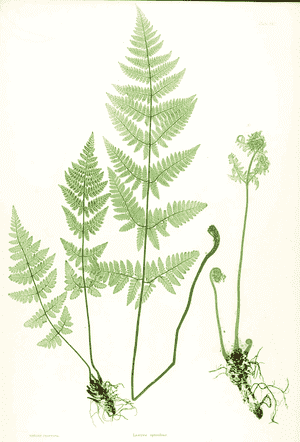
The most favorable period for transplanting spinulose woodfern aligns with spring's renewal, capitalizing on vigorous development. Select shaded areas featuring damp earth for the transfer. Careful management of the root system and steady soil hydration after relocation foster successful establishment.
What Preparations are Needed Before Transplanting Spinulose Woodfern?
What is the Ideal Time for Transplanting Spinulose Woodfern?
The optimal period for relocating spinulose woodfern is during the spring months. This time of natural revival encourages root development and ensures better adaptation. Moving spinulose woodfern now provides a head start for the new growing season, allowing the fronds to establish themselves in comfortably warmed soil. Helpful hint: utilize this window for your spinulose woodfern to benefit from the full potential of spring growth!
How Much Space Should You Leave Between Spinulose Woodfern Plants?
When getting ready to move your spinulose woodfern, proper spacing is key. I'd recommend placing each plant approximately 1-2 feet (30-60 cm) from one another. This will facilitate optimal growth and simplify upkeep.
What is the Best Soil Mix for Spinulose Woodfern Transplanting?
For spinulose woodfern, a well-drained, humus-rich soil is most effective. Start with a layer of base fertilizer to supply essential nutrients. A compost or manure-based fertilizer will be an excellent choice to give your plants a vibrant, healthy beginning.
Where Should You Relocate Your Spinulose Woodfern?
Regarding the placement for your spinulose woodfern, selecting a spot with partial to full shade is advisable. It does not thrive in direct, intense sunlight. A location that receives morning or late afternoon sun should be perfect.
What Equipments Should You Prepare Before Transplantation Spinulose Woodfern?
Gardening Gloves
Protect your hands while handling soil and plants.
Spade or Shovel
These are crucial for digging and moving the spinulose woodfern.
Garden Fork
For gently loosening the soil around the spinulose woodfern in its original spot.
Bucket or Container
Useful for holding and transporting the extracted plant.
Watering Can
Essential for keeping the spinulose woodfern hydrated before, during, and after the move.
Mulch
Offers a protective layer for the spinulose woodfern, helping to retain moisture and prevent weeds.
How Do You Remove Spinulose Woodfern from the Soil?
How Do You Remove Spinulose Woodfern from the Soil?
From Ground: Begin by watering the spinulose woodfern to dampen the soil surrounding it. This makes it easier to extract the plant without causing harm. Next, carefully work the garden fork around the plant, being cautious not to injure the root system. Once the spinulose woodfern is loose, gently lift it from the soil and place it into the bucket or container.From Pot: Water the spinulose woodfern, but avoid saturating it. Once moist, carefully tip the pot sideways and gently ease the plant out while supporting its base. If the spinulose woodfern is stuck, you might need to tap the pot's side to loosen it.From Seedling Tray: First, water the tray to soften the soil. Then squeeze the bottom of the individual cell while gently pulling on the spinulose woodfern, taking care not to damage the plant. Transplant the seedling as quickly as possible to prevent drying out.
Step-by-Step Guide for Transplanting Spinulose Woodfern
Preparation
Dig a hole in the new planting area that is twice as wide and the same depth as the spinulose woodfern's root ball. Break up the soil at the bottom of the hole with your spade or garden fork.
Placement
Position the spinulose woodfern into the prepared hole, ensuring it is at the same level it was growing in its previous location.
Backfill
Fill around the spinulose woodfern with soil, applying it in layers and firming each down to eliminate any air pockets that could harm the roots.
Watering
Water the spinulose woodfern generously once planted, allowing the water to soak in before applying more if needed. This will help ensure good root-to-soil contact.
Mulching
Apply a layer of mulch around the spinulose woodfern, keeping it away from the stem, to help conserve moisture and deter weeds.
How Do You Care For Spinulose Woodfern After Transplanting?
Monitoring
Closely observe your spinulose woodfern for the initial few weeks following the relocation. Every plant reacts differently to the stress of being moved. Look for signs of plant distress such as wilting or yellowing leaves, and address any issues promptly.
Watering
The spinulose woodfern will likely require more water than usual while it's establishing itself. Keep the soil moist, but avoid overwatering, as waterlogged soil can lead to root rot.
Weeding
Regularly remove any weeds from around your spinulose woodfern, as these can compete with your plant for resources.
Feeding
Nourish the spinulose woodfern after a couple of weeks using a balanced plant food, following package instructions for application rates and frequency.
Troubleshooting Common Issues with Spinulose Woodfern Transplantation.
What's the best time to transplant spinulose woodfern?
The ideal period for moving spinulose woodfern is during the early to mid-growing season.
How to choose the right location to transplant spinulose woodfern?
Select a location that is slightly shaded, not directly exposed to harsh sunlight, which will best suit spinulose woodfern.
What's the optimal spacing for each spinulose woodfern during transplantation?
Plan on placing them about 1-2 feet (30-60 cm) apart to allow ample room for growth.
How deep should I dig the hole for spinulose woodfern transplantation?
Excavate a hole that is twice as wide and the same depth as the plant's root system.
How should I prepare spinulose woodfern for transplanting?
Gently loosen the root ball, removing any damaged or diseased roots before relocating it.
How to water spinulose woodfern after transplantation?
After transplanting, water spinulose woodfern thoroughly, but prevent water stagnation as it might cause root rot.
How to care for spinulose woodfern post-transplant?
Ensure spinulose woodfern is kept in appropriate light, watered adequately, and checked for any signs of pests or diseases.
What type of soil works best when transplanting spinulose woodfern?
Spinulose woodfern prefers rich, well-drained soil. Avoid heavy clay soil for optimal development.
Is it okay to transplant spinulose woodfern in extremely hot temperatures?
Extreme heat can stress the plant; ideal transplantation conditions for spinulose woodfern are during cooler temperatures.
What should I do if spinulose woodfern wilts after transplantation?
It's normal for spinulose woodfern to wilt after transplanting. Maintain consistent care, keeping the soil moist but not oversaturated.



