How to Prune Spinulose woodfern?
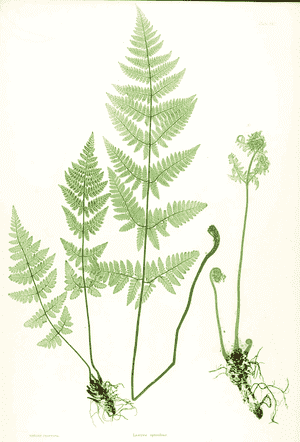
This fern flourishes in dim settings and is recognized for its delicate, feather-like leaves. For spinulose woodfern, trimming entails detaching deceased or injured fronds near the base to stimulate robust development. The most suitable time for this maintenance is in spring or early summer, aligning with the plant's inherent growth period. Clearing away debris after winter helps prevent the proliferation of diseases. Trimming spinulose woodfern improves its aesthetic appeal and sustains its vitality, guaranteeing a rich, thick canopy of leaves in its favored shaded locations.
What Are the Benefits of Pruning Spinulose Woodfern?
What Are the Benefits of Pruning Spinulose Woodfern?
Trimming spinulose woodfern encourages more vigorous development, ensuring a lush and robust fern. Regular cutting helps maintain a desired form, preventing excessive growth and promoting a compact, attractive look.
What Is the Best Time for Pruning Spinulose Woodfern?
What Is the Best Time for Pruning Spinulose Woodfern?
The optimal period for pruning or trimming spinulose woodfern (Dryopteris carthusiana) coincides with its active growth phase, which occurs during spring and early summer. Pruning in spring allows for the removal of any winter-damaged fronds before the plant's energy is directed towards new growth. This timing avoids disrupting the fern's natural life cycle and promotes healthier, more vigorous development. Additionally, early summer trimming is suitable for shaping the plant and controlling its size since new fronds will still have time to mature before the onset of colder weather, ensuring the plant remains robust and well-insulated for winter. Pruning during these seasons helps maintain the aesthetic appeal of spinulose woodfern, prevents overcrowding, and reduces the risk of disease by improving air circulation within the plant.
What Tools Do I Need to Prune Spinulose Woodfern?
Hand Pruners
Perfect for trimming small, delicate fronds of spinulose woodfern, ensuring precise cuts without harming the plant.
Pruning Snips
Ideal for reaching into dense foliage to selectively remove dead or damaged fronds at the base, crucial for maintaining the health and appearance of spinulose woodfern.
Garden Scissors
Useful for shaping spinulose woodfern and snipping off minor, unwanted growth, offering control and ease of use.
How to Prune Spinulose Woodfern
Identify
Examine spinulose woodfern for the presence of diseased, damaged, or withered leaves and stems. Look for any discoloration, spots, or signs of decay that indicate poor health or disease. This is crucial to maintain the plant's vigor and prevent the spread of pathogens.
Sanitize
Use sharp, clean pruning shears or scissors to ensure precise cuts and avoid transmitting diseases between plants. Disinfect your tools before and after pruning spinulose woodfern to eliminate the risk of spreading any infection.
Trim leaves
Carefully trim away diseased and withered leaves from spinulose woodfern at the base of the stalk, where the leaf stem meets the main plant. Remove all affected foliage to promote healthy growth and minimize the chance of disease spreading.
Trim stems
If any stems on spinulose woodfern appear diseased, cut them back to the base or to a healthy section with green growth. Ensure cuts are clean and angled to allow water runoff and prevent rot.
Disposal
Dispose of all removed material from spinulose woodfern properly by burning or bagging and removing it from the site. Do not compost diseased plant matter as it can infect the compost with pathogens.
Common Pruning Mistakes with Spinulose Woodfern
Overzealous Pruning
Cutting back spinulose woodfern too drastically can shock the plant, leading to stunted growth or even plant death.
Pruning Healthy Fronds
Removing green, healthy fronds instead of just the old, damaged or diseased ones can limit spinulose woodfern's ability to photosynthesize and thrive.
Using Dull Tools
Pruning spinulose woodfern with dull blades can lead to jagged cuts that are prone to disease and pest infiltration.
Pruning Without Cleaning Tools
Failure to disinfect tools between cuts can spread diseases from infected plants to healthy ones.
Improper Cut Placement
Making cuts too close to the crown or too far from it can harm the plant; proper cuts should be made near the base of the affected frond.
Common Pruning Tips for Spinulose Woodfern
Selective Pruning
Target only the dead, diseased, or damaged fronds when pruning spinulose woodfern to maintain its health and aesthetic.
Tool Maintenance
Always use sharp pruners or scissors and clean them with a disinfectant before and after use to make clean cuts and prevent disease spread.
Crown Awareness
Be cautious to never cut into spinulose woodfern's crown, as this can severely damage the plant.
Hydration Post-Pruning
Water spinulose woodfern after pruning to help it recover and encourage new growth, but be careful not to overwater.
Regular Inspection
Regularly check spinulose woodfern for any signs of fungal infections or pests, and prune as needed to manage plant health.



