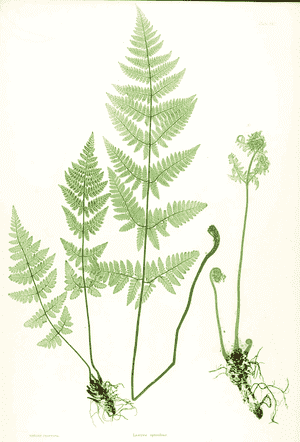
Spinulose woodfern (Dryopteris carthusiana)
Also known as: Spinulose Wood Fern, Shield Fern
The spinulose woodfern (Dryopteris carthusiana) is native to various regions in the United States and typically thrives in wetland habitats. It is well-suited for shaded garden spaces such as woodland, rock, native plant, or wild gardens. This fern prefers environments with partial to full shade and can live for many years under these conditions.
In This Article
Attributes of Spinulose woodfern
Lifespan
Perennial
Plant Type
Herb
Plant Height
30 cm to 60 cm
Spread
60 cm to 90 cm
Leaf Color
Green
Flower Size
N/A
Flower Color
N/A
Images of Spinulose woodfern
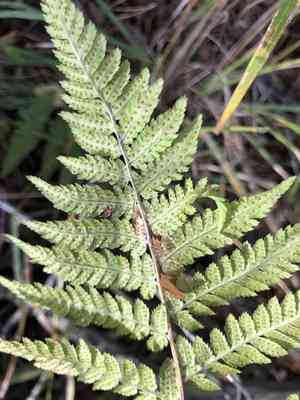
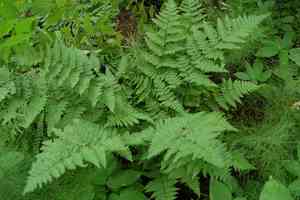
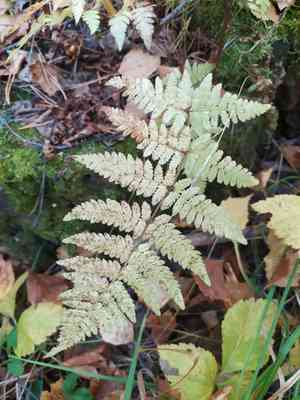
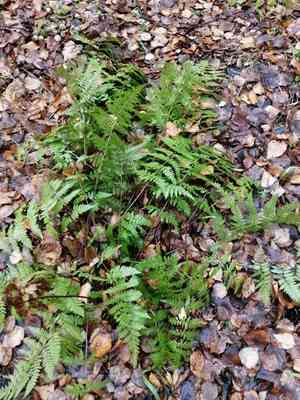
Quickly Identify Spinulose woodfern
1
Feathery fronds reach 2-3 feet (60-90 cm) in height, forming a clumping habit.
2
Lance-shaped fronds with numerous small leaflets, finely serrated, and pinnately divided.
3
Stalks are light green to pale brown with a slightly scaly texture.
4
Dense ground cover spread by rhizomes under favorable conditions.
5
Glossy, dissected fronds are erect, vase-shaped with smooth texture and vibrant green color.
Scientific Classification of Spinulose woodfern
Phylum
Vascular plants
Class
Ferns
Order
Polypodiales
Family
Wood fern
Genus
Wood ferns
Species
Spinulose woodfern
Planting and Growing of Spinulose woodfern
Care Difficulty
Easy
Watering Schedule
Every 2 days
Sunlight Requirements
Partial sun
Sunshine Duration
6-8 hours
Ideal Temperature
60-75℉
Soil Type
Potting Mix, Peat Mix
Soil pH
5-7.5
Fertilizer Type
Balanced
Pruning Season
Spring, Summer
Pruning Area
Branches, Leaves
Pruning Frequency
2 times a year
Repotting Season
Spring
Pot Type
Plastic, Ceramic
 How to Water Spinulose woodfern?
For Dryopteris carthusiana, a moderate but consistent watering routine is essential. Ensure the soil remains evenly moist but not waterlogged, with approximately 250 ml per session. The aim is to create a balance—never letting the soil dry out completely nor allowing standing water, which can lead to root rot.
What are the symptoms of an underwatered Spinulose woodfern?
›
What should I do if my Spinulose woodfern is not getting enough water?
›
What are the symptoms of an overwatered Spinulose woodfern?
›
How to save an overwatered Spinulose woodfern?
›
 What Are the Sunlight Requirements for Spinulose woodfern?
Dryopteris carthusiana prefers partial to full shade light conditions. This ideal lighting fosters robust growth and helps maintain a deep green foliage color, which is essential for its visual appeal and overall health.
More About Sunlight Requirements Techniques→
What type of lighting is best?
›
How can I achieve ideal lighting conditions?
›
What are the benefits of ideal lighting?
›
 What Is the Ideal Temperature Range for Spinulose woodfern?
The ideal temperature range for the growth of Dryopteris carthusiana is between 60°F and 75°F. This range ensures optimal photosynthesis and proper functioning of the plant's metabolic processes. Within this temperature window, the fern can thrive and exhibit robust growth with lush foliage. Maintaining these conditions helps in avoiding stress-related issues and enhances its overall aesthetic and health.
 What Soil is Best for Spinulose woodfern?
Dryopteris carthusiana thrives in soil that maintains moisture while allowing excess water to drain away. This balance prevents root rot, ensuring the plant absorbs nutrients efficiently for optimal growth. The presence of high organic matter enriches the soil, providing essential nutrients and enhancing soil structure. This supports healthy root development, leading to a robust and vibrant plant. A soil pH between 5.0 and 7.5 is ideal for Dryopteris carthusiana as it allows for maximum nutrient availability and uptake, ensuring the fern remains lush and green.
 How to Fertilize Spinulose woodfern?
For Dryopteris carthusiana, a balanced fertilizer diluted to half strength is ideal. Use approximately 10 ml of liquid fertilizer per gallon of water to avoid over-fertilizing this delicate fern species.
 How to Prune Spinulose woodfern?
Start by examining your Dryopteris carthusiana for any dead, diseased, or damaged fronds. These should be your primary targets for removal to ensure the healthy growth of the plant. Using your clean, sharp pruning shears, cut the identified fronds close to the base of the plant. Making cuts close to the base helps the plant focus energy on healthy growth rather than maintaining failing fronds. Pruning your fern also helps increase air circulation within the foliage, which is crucial for preventing fungal diseases. Make sure that the plant isn’t too crowded and consider removing a few healthy fronds if necessary to allow air to move freely.
More About Pruning Techniques→
 How to Propagate Spinulose woodfern plant?
1
Water the Dryopteris carthusiana thoroughly a day before you plan to divide it. This ensures the roots are hydrated and less prone to damage during division. Loosen the soil around the plant to make it easier to lift.
2
Carefully dig around the base of the fern and lift the plant from the ground with a spade. Use your hands to gently separate the root ball into smaller clumps, ensuring that each clump has a portion of the rhizome and several fronds. Handle the roots gently to minimize damage.
3
Plant each division into a prepared hole with similar soil conditions to the original location. Ensure the crown is at soil level and backfill with soil, firming it gently around the roots. Water well after planting to settle the soil around the roots.
 How to Repot Spinulose woodfern plant?
1
Dryopteris carthusiana needs repotting when you observe roots crowding the pot or poor water drainage. Spring or autumn are ideal times, as the plant is naturally more resilient during these seasons, aiding in recovery.
2
Select a pot that's 2-3 inches larger in diameter than the current one, with sufficient drainage holes. A slightly bigger pot allows roots to expand, preventing overgrowth and ensuring the fern remains healthy and robust.
3
Opt for moist, well-draining soil, rich in organic matter, to mimic the fern's natural habitat. This kind of soil ensures good aeration while retaining enough moisture necessary for optimal fern growth.



