How to Transplant Entireleaf mountain-avens?
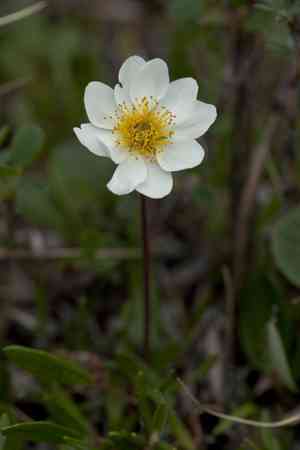
For entireleaf mountain-avens, the most favorable time for relocation is from mid to late spring, as the ground becomes warmer yet retains its moisture. Select a bright, adequately drained spot. Guarantee minimal disruption to the roots; mature specimens acclimate more effectively to their new environment at this time of year.
Necessary Preparations Before Relocating Entireleaf Mountain-avens?
When is the Best Time to Relocate Entireleaf Mountain-avens?
The prime period for relocating entireleaf mountain-avens is from mid to late spring, as mild temperatures and increased soil moisture encourage root establishment. This timing boosts the plant's resilience and vigor, ensuring robust growth through summer and into the subsequent growing season, maximizing survival and adaptation.
What Spacing is Recommended Between Entireleaf Mountain-avens Plants?
When relocating entireleaf mountain-avens, position each plant approximately 12 inches (30 cm) apart. This provides ample room for them to develop and spread comfortably.
Which Soil Mixture is Optimal for Entireleaf Mountain-avens Relocation?
Ensure the soil is well-draining and sandy. You can amend the soil by incorporating some grit or coarse sand. For initial fertilization, a light application of a balanced fertilizer (10-10-10) will be highly effective.
Where Should You Position Your Entireleaf Mountain-avens?
Select a sunny spot for relocating entireleaf mountain-avens. These plants flourish in full sun, so aim for at least 6 to 8 hours of direct sunlight daily.
What Tools Should You Prepare Before Relocating Entireleaf Mountain-avens?
Gardening Gloves
To safeguard your hands while handling soil and the plant.
Shovel or Spade
For excavating holes and trenches to relocate the entireleaf mountain-avens.
Watering Can or Hose
To maintain soil moisture during the relocation process.
Trowel
Useful for smaller, more precise digging tasks.
Pruners
For trimming any damaged roots or foliage.
Bucket
To transport water and soil if necessary.
Mulch
To aid in retaining moisture around the newly relocated entireleaf mountain-avens.
Plant Markers
To designate the new position of your relocated entireleaf mountain-avens if desired.
How Do You Extract Entireleaf Mountain-avens from the Soil?
How Do You Extract Entireleaf Mountain-avens from the Soil?
From Ground: First, hydrate the entireleaf mountain-avens plant to moisten the soil. Next, excavate a wide trench around the plant using a shovel or spade, ensuring the plant's root ball remains intact. Carefully work the spade beneath the root ball to lift the plant from its original spot.From Pot: Water the entireleaf mountain-avens thoroughly to facilitate its removal. Tilt the pot sideways and gently tap the edges to loosen the soil. Carefully slide the plant out, supporting its base to prevent root damage.From Seedling Tray: Water the seedlings initially to soften the soil. Use a trowel or your fingers to gently lift the seedlings by the root ball, taking care not to break or harm the delicate roots.
Step-by-Step Guide for Relocating Entireleaf Mountain-avens
Prepare the New Location
Dig a hole in the new spot that is twice as wide and equally deep as the root ball of your entireleaf mountain-avens.
Remove the Plant
Follow the appropriate removal procedure from its current location (ground, pot, or seedling tray).
Plant the entireleaf mountain-avens
Place the entireleaf mountain-avens into the prepared hole, ensuring the top of the root ball is level with the surrounding soil. Backfill the hole with soil, gently firming it around the roots.
Water the Plant
Immediately water the entireleaf mountain-avens thoroughly to settle the soil around the roots and lessen relocation shock.
Apply Mulch
Add a layer of mulch around the base of the entireleaf mountain-avens to help maintain moisture and suppress weeds.
How Do You Care For Entireleaf Mountain-avens After Relocation?
Watering
Keep the soil around the entireleaf mountain-avens consistently moist, but not waterlogged, for the initial few weeks after relocation to aid in establishing strong roots.
Monitoring
Regularly inspect the entireleaf mountain-avens for indications of stress, including wilting or yellowing leaves, and adjust care as necessary.
Pruning
Trim any damaged or dead foliage to encourage healthy development.
Mulching
Maintain the layer of mulch to keep soil moisture levels stable.
Addressing Common Issues with Entireleaf Mountain-avens Relocation.
When is the best time to relocate entireleaf mountain-avens?
The ideal times are mid-spring to late spring, ensuring optimal growth conditions.
How should I space entireleaf mountain-avens plants?
Space each entireleaf mountain-avens plant about 12 inches (30 cm) apart for healthy growth.
How deep should I dig the hole for entireleaf mountain-avens?
Dig a hole twice as wide and as deep as the root ball of entireleaf mountain-avens.
What type of soil is best for entireleaf mountain-avens?
Use well-draining soil, ideally a mix of sandy and loamy soil for entireleaf mountain-avens.
How much water does entireleaf mountain-avens need after relocating?
Water thoroughly after relocating, then ensure the soil remains moist but not waterlogged.
What should I do if entireleaf mountain-avens leaves turn yellow?
Check soil drainage and avoid overwatering. Ensure the plant is not in direct, intense sunlight.
How can I help entireleaf mountain-avens acclimate after relocating?
Gradually expose entireleaf mountain-avens to its new environment, starting with partial shade before full sun.
How do I prepare entireleaf mountain-avens for relocating?
Water the plant well and carefully loosen the soil around the root ball before moving entireleaf mountain-avens.
Should I fertilize entireleaf mountain-avens after relocating?
Wait a few weeks after relocating before applying a balanced, slow-release fertilizer.
How to prevent relocation shock in entireleaf mountain-avens?
Provide adequate water, avoid root damage, and relocate in mid to late spring.



