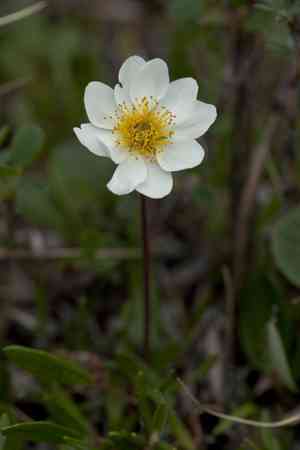
Entireleaf mountain-avens (Dryas integrifolia)
Also known as: Entire-leaf Mountain Avens
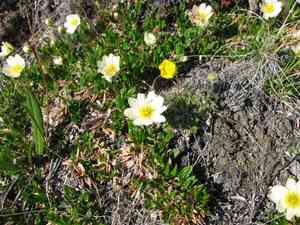
The entireleaf mountain-avens (Dryas integrifolia) is a resilient perennial that thrives in the cold, rugged terrains of Arctic and alpine regions. This low-growing plant is characterized by its small, rounded, and evergreen leaves, which are thick and leathery to withstand harsh conditions. It produces single, white flowers resembling tiny roses that bloom during the summer months. Additionally, the plant forms dense mats, which help stabilize the fragile soil in its environment.
In This Article
Attributes of Entireleaf mountain-avens
Lifespan
Perennial
Plant Type
Herb
Plant Height
5-10 cm
Spread
10-20 cm
Leaf Color
Green
Flower Size
2-3 cm
Flower Color
White with a yellow center
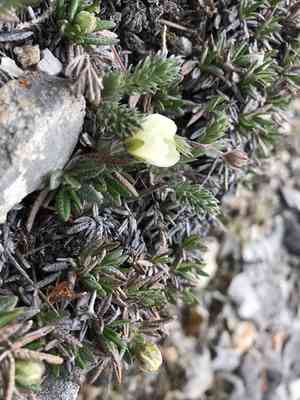
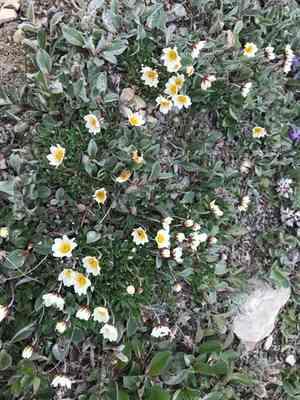
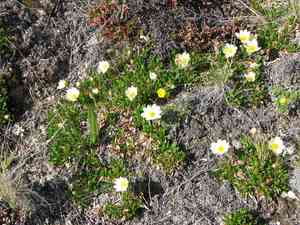
Images of Entireleaf mountain-avens
Quickly Identify Entireleaf mountain-avens
1
Dryas integrifolia can be identified by its distinct white flowers with a yellow center, and its entire, not lobed, leaves that are green and leathery. The plant forms a low, mat-like growth.
Scientific Classification of Entireleaf mountain-avens
Phylum
Vascular plants
Class
Dicotyledons
Order
Rosales
Family
Rose
Genus
Mountain avens
Species
Entireleaf mountain-avens
Planting and Growing of Entireleaf mountain-avens
Care Difficulty
Moderate
Watering Schedule
Every 2 days
Sunlight Requirements
Full sun
Sunshine Duration
6-10 hours
Ideal Temperature
46-59℉
Soil Type
Potting Mix, Peat Mix
Soil pH
6.5-7.5
Fertilizer Type
Balanced
Pruning Season
Spring, Summer
Pruning Area
Branches, Leaves
Pruning Frequency
2 times a year
Repotting Season
Spring
Pot Type
Plastic, Ceramic
 How to Water Entireleaf mountain-avens?
Dryas integrifolia requires careful watering, adhering to its natural alpine environment. Water thoroughly but infrequently, allowing the soil to dry out almost completely between waterings. Aim for approximately 200 ml of water, enough to moisten the roots without creating soggy conditions.
What are the symptoms of an underwatered Entireleaf mountain-avens?
›
What should I do if my Entireleaf mountain-avens is not getting enough water?
›
What are the symptoms of an overwatered Entireleaf mountain-avens?
›
How to save an overwatered Entireleaf mountain-avens?
›
 What Are the Sunlight Requirements for Entireleaf mountain-avens?
Dryas integrifolia flourishes in environments that offer full day sun, which translates into about 6-8 hours of sunlight each day. This sunlight sustains its energy needs, stimulates vibrant flowering, and supports healthy growth.
How much sunlight does Dryas integrifolia need?
›
What solutions exist to ensure ideal lighting for Dryas integrifolia?
›
What benefits does ideal lighting confer to Dryas integrifolia?
›
 What Is the Ideal Temperature Range for Entireleaf mountain-avens?
The ideal temperature range for Dryas integrifolia is between 46°F and 59°F. This range is crucial for ensuring optimal photosynthesis and growth. It simulates the plant’s natural cold and temperate habitat, providing the right conditions for enzyme activities and physiological processes.
 What Soil is Best for Entireleaf mountain-avens?
Dryas integrifolia thrives best in well-draining soil. This quality ensures that excess water is quickly drained away, preventing root rot and encouraging healthy root development. A nutrient-rich soil boosts the growth and flowering of Dryas integrifolia. The presence of necessary nutrients improves foliage vitality and enhances the plant's ability to produce vibrant flowers. Dryas integrifolia prefers soil with moderate moisture content. Maintaining this balance ensures that the plant doesn't experience water stress which can affect growth and flowering patterns.
 How to Fertilize Entireleaf mountain-avens?
For Dryas integrifolia, it is important to use a balanced fertilizer, ensuring not to over-fertilize as it's adapted to low-nutrient environments. A diluted liquid fertilizer at one-quarter strength is recommended monthly during the growing season.
 How to Prune Entireleaf mountain-avens?
Start by identifying and removing any dead, damaged, or diseased branches. This helps redirect nutrients to healthier parts of the plant and promotes robust growth. Trim the plant to maintain its natural mound-like shape, focusing on even cuts that follow the plant's natural contours. This will keep the plant looking neat and tidy. Promote air circulation by thinning out dense areas. This practice reduces the risk of fungal diseases and allows sunlight to penetrate the plant more effectively.
More About Pruning Techniques→
 How to Propagate Entireleaf mountain-avens plant?
1
To prepare seeds for planting, it is advisable to stratify them by placing them in the refrigerator for several weeks to break dormancy and increase germination rates.
2
Sow the seeds thinly over the surface of the moist potting mix in the seed tray. Lightly cover them with a thin layer of soil to keep them in place and maintain humidity.
3
Place the seed tray in a location with indirect sunlight and maintain a consistent temperature around 15-20°C. Ensure the potting mix remains moist but not waterlogged during the germination period.
 How to Repot Entireleaf mountain-avens plant?
1
Dryas integrifolia shows it's time for repotting when roots begin circling the pot or growing out of drainage holes. This typically indicates the roots need more space to spread, ensuring the plant's health and growth are not stunted. Keeping an eye for these signs in Spring or Summer is ideal.
2
Select a pot that is slightly larger than the current one, with ample drainage holes to prevent waterlogging. A ceramic or clay pot is preferable as they allow for air exchange. The larger pot gives the roots room to grow, and good drainage ensures the plant does not suffer from overwatering.
3
Opt for a well-drained sandy soil mix that mimics its natural rocky environment. This type of soil ensures proper drainage and prevents root rot, providing aeration that leads to healthier root development.
Learn More About Entireleaf mountain-avens Diseases
Anthracnose
Bacterial Leaf Spot
Bacterial Soft Rot
Bacterial Wilt
Black Spot
Chemical Injury
Crown Gall
Cyst Nematode
Damping-off
Downy Mildew
Drought Stress
Fusarium Wilt
Gray Mold
Leaf Curl
Leaf Spot
Mosaic
Nutrient Deficiency
Nutrient Toxicity
Powdery Mildew
Root Rot
Root-knot Nematode
Rusts
Sooty Mold
Spider Mites
Temperature Stress
Thrips Damage
White Mold



