How to Prune Entireleaf mountain-avens?
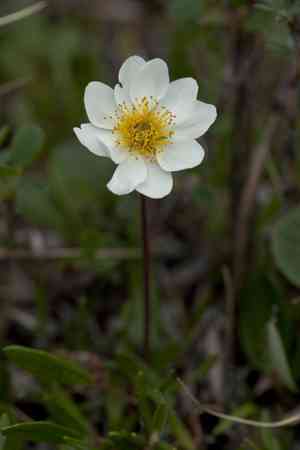
Dryas integrifolia is a ground-hugging perennial characterized by its unique white blossoms and tough foliage. To ensure peak vitality, perform pruning in the early spring or late winter, prior to the emergence of new shoots. Remove any deceased or compromised stems and reduce density in congested zones to enhance air movement. A light trim following the flowering period can stimulate more robust development. Pruning aids in preserving Dryas integrifolia's compact structure and fosters abundant blooming, establishing it as a hardy and appealing garden specimen.
What Are the Benefits of Pruning Entireleaf Mountain-avens?
What Are the Benefits of Pruning Entireleaf Mountain-avens?
Entireleaf mountain-avens thrives and maintains its form when trimmed. This practice fosters robust development, enhances appearance, prevents illness, and manages plant size, ensuring entireleaf mountain-avens remains an appealing, strong garden addition.
What Is the Best Time for Pruning Entireleaf Mountain-avens?
What Is the Best Time for Pruning Entireleaf Mountain-avens?
Trimming entireleaf mountain-avens in late winter and early spring is optimal as it coincides with the plant's dormant period. During dormancy, entireleaf mountain-avens is less prone to stress or damage from pruning, allowing for easier recovery and promoting healthy growth in the upcoming season. Furthermore, pruning at this time ensures the plant's aesthetic qualities and structural integrity are preserved without disrupting its flowering cycle. This timing also helps minimize disease and pest risk, as open wounds heal faster in cooler, less active periods.
What Tools Do I Need to Prune Entireleaf Mountain-avens?
Bypass Pruners
Perfect for precise cuts on smaller stems and branches, ensuring clean cuts that encourage quicker healing.
Long-handled Pruners
Useful for reaching and trimming higher branches without harming the plant's structure.
Hand Pruners
Ideal for detailed trimming and removing spent blooms to stimulate new growth.
Pruning Shears
Effective for shaping and maintaining the plant's overall form by cutting back overgrown stems.
How to Prune Entireleaf Mountain-avens
Assess
Examine entireleaf mountain-avens for any indications of diseased or withered leaves, ensuring all affected parts are identified before beginning.
Sanitize
Clean your pruning implements with a solution of one part bleach to nine parts water to prevent disease transmission.
Remove diseased
Cut away any diseased leaves, making sure to excise them well beyond the visible symptoms to ensure complete removal of the affected areas.
Remove withered
Trim any withered leaves close to the base of the leaf stem, ensuring the cuts are clean and even to promote healthy regrowth.
Dispose
Properly dispose of all pruned material in a sealed bag and discard it in the trash, rather than composting, to prevent the spread of disease.
Common Pruning Mistakes with Entireleaf Mountain-avens
Over-pruning
Removing too much foliage can stress entireleaf mountain-avens, reducing its vigor and flowering potential.
Improper Cutting Technique
Using dull or inappropriate tools can cause ragged cuts, increasing the risk of disease.
Ignoring Deadwood
Failing to remove dead or diseased branches can hamper the plant's overall health.
Pruning at Wrong Time
While this excludes the best season for pruning, choosing incorrect times can still weaken the plant.
Random Pruning Pattern
Haphazardly trimming can lead to an uneven shape and poor air circulation within the plant.
Common Pruning Tips for Entireleaf Mountain-avens
Use Sharp Tools
Ensure your pruning shears are sharp and clean to make precise cuts that heal quickly.
Focus on Dead and Diseased Wood
Start by removing any dead or diseased branches to maintain plant health.
Thin Out Dense Areas
Lightly thin out crowded areas to improve air circulation and exposure to sunlight.
Prune Lightly
Exercise caution by lightly trimming the plant rather than making deep cuts, which can cause undue stress.
Maintain Natural Shape
Aim to retain the plant's natural form while making cuts for a more aesthetically pleasing and healthy plant.



