How to Transplant Thyme-leaf dragon-head?
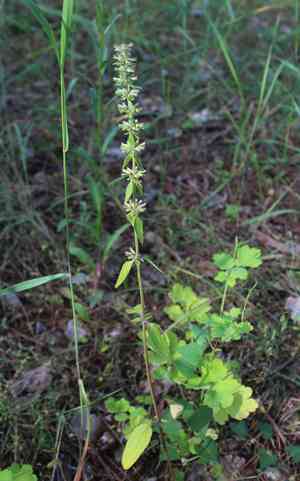
Thyme-leaf dragon-head flourishes when relocated from early to mid-spring, as this period allows for ideal root development. Select a bright, adequately draining spot for superior outcomes. Enhance the soil if required to guarantee sufficient nutrient access.
Necessary Preparations Before Moving Thyme-leaf Dragon-head
Optimal Timing for Relocating Thyme-leaf Dragon-head?
Thyme-leaf dragon-head flourishes most when moved during early to mid-spring. This timeframe ensures the plant avoids harsh weather and benefits from warming soil, which promotes strong root development. Transplanting in this season helps the perennial adapt effectively, leading to improved growth and resilience throughout its active period.
Recommended Spacing Between Thyme-leaf Dragon-head Plants?
Ensure a distance of approximately 10-12 inches (25-30 cm) between thyme-leaf dragon-head plants. This provides ample room for development and guarantees good air circulation, aiding in disease prevention.
Best Soil Blend for Thyme-leaf Dragon-head Relocation?
Utilize soil that drains well, ideally sandy or loamy. Incorporate a foundational fertilizer rich in organic matter, such as compost or aged manure, to supply the necessary nutrients for thyme-leaf dragon-head.
Where to Replant Your Thyme-leaf Dragon-head?
Select a spot that receives full sunlight for at least 6-8 hours daily. Thyme-leaf dragon-head thrives in sunny locations, which supports its robust and healthy development.
Equipment Required Before Transplanting Thyme-leaf Dragon-head
Gardening Gloves
To safeguard your hands while handling soil and the plant.
Trowel
For excavating holes and lifting the plant from containers or trays.
Shovel or Spade
For digging a perimeter around the plant if it's already in the ground.
Watering Can or Hose
To hydrate the plant before and after its relocation.
Mulch
To assist in retaining soil moisture post-transplant.
Sharp Knife or Pruners
For trimming any damaged roots during the transplant process.
How to Extract Thyme-leaf Dragon-head from its Current Location?
How to Extract Thyme-leaf Dragon-head from its Current Location?
From Ground: First, moisten the thyme-leaf dragon-head plant's soil. Then, use a shovel or spade to dig a wide trench around the plant, ensuring the root ball remains intact. Carefully work the spade beneath the root ball to lift the plant from its original spot.From Pot: Thoroughly water the thyme-leaf dragon-head plant. Gently tap the pot's sides to loosen the soil, then carefully grip the plant's base and slide it out. Be careful not to harm the roots.From Seedling Tray: Water the thyme-leaf dragon-head seedlings to facilitate removal. Use a trowel or your hands to gently lift each seedling from the tray, taking care to keep the root system whole.
Step-by-Step Guide for Relocating Thyme-leaf Dragon-head
Site Preparation
Prepare the new planting area by loosening the soil and clearing any weeds or debris.
Digging the Hole
Excavate a hole twice as wide and as deep as the thyme-leaf dragon-head plant's root ball.
Placing the Plant
Position the thyme-leaf dragon-head plant in the hole, ensuring the top of the root ball is level with the surrounding soil. Backfill the hole with soil, gently firming it around the plant.
Watering
Thoroughly water the thyme-leaf dragon-head plant after planting to help settle the soil around its roots.
Applying Mulch
Spread a layer of mulch around the base of the thyme-leaf dragon-head plant to aid in moisture retention and weed suppression.
Post-Transplant Care for Thyme-leaf Dragon-head
Watering
Maintain consistent moisture in the soil around the thyme-leaf dragon-head, avoiding sogginess, for the initial weeks after transplanting to encourage strong root development.
Monitoring
Observe the thyme-leaf dragon-head plant for any indications of stress, such as wilting or yellowing foliage, and address issues promptly.
Protection
Shield the newly transplanted thyme-leaf dragon-head plant from severe weather, like heavy rain or strong winds, until it is well-established.
Addressing Common Issues with Thyme-leaf Dragon-head Relocation.
When is the best time to transplant thyme-leaf dragon-head?
Move thyme-leaf dragon-head in early to mid-spring for optimal growth and establishment.
How far apart should I space thyme-leaf dragon-head plants?
Keep thyme-leaf dragon-head plants 10-12 inches (25-30 cm) apart to ensure healthy development.
What's the first step for transplanting thyme-leaf dragon-head?
Begin by preparing well-draining soil and digging a hole as deep as the root ball.
How do I handle thyme-leaf dragon-head roots during transplanting?
Gently loosen thyme-leaf dragon-head roots without causing damage before placing them in the new hole.
Should I water thyme-leaf dragon-head immediately after transplanting?
Yes, thoroughly water thyme-leaf dragon-head right after transplanting to help settle the soil around its roots.
What kind of soil is best for thyme-leaf dragon-head?
Use well-draining soil enriched with compost to support thyme-leaf dragon-head's growth.
How can I prevent transplant shock in thyme-leaf dragon-head?
Provide shade and consistent moisture to reduce transplant shock for thyme-leaf dragon-head.
How deep should I plant thyme-leaf dragon-head?
Plant thyme-leaf dragon-head at the same depth it was growing in its original container.
What is the ideal temperature for transplanting thyme-leaf dragon-head?
Transplant thyme-leaf dragon-head when temperatures are between 60-70°F (15-21°C) to ensure optimal conditions.
Do I need to fertilize thyme-leaf dragon-head after transplanting?
Lightly fertilize thyme-leaf dragon-head a few weeks after transplanting to promote healthy growth.



