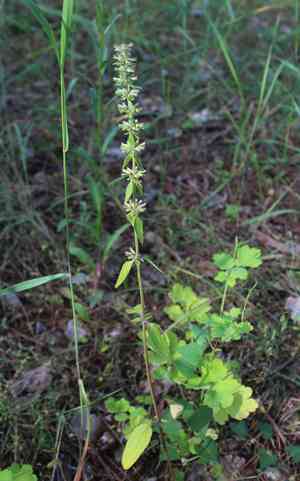
Thyme-leaf dragon-head(Dracocephalum thymiflorum)

Thyme-leaf dragon-head (Dracocephalum thymiflorum)

Also known as: Lemon balm, Moldavian balm

Thyme-leaf dragon-head (Dracocephalum thymiflorum) stands out with its vibrant, tubular flowers that resemble dragon heads, blooming atop slender stems with aromatic, thyme-like leaves. Here are its defining traits and preferred growing conditions:

### Traits:
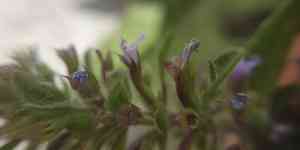
- **Flowers:** Eye-catching, tubular, dragon-head-shaped, typically in shades of purple.
- **Foliage:** Small, fragrant, and similar to thyme leaves.
- **Stems:** Slender, supporting the distinctive flowers.
- **Aroma:** Emits a pleasant herbaceous scent.

### Preferred Growing Conditions:
- **Sun:** Prefers full sun exposure.
- **Soil:** Well-drained, moderately fertile soil is ideal.
- **Water:** Needs moderate watering; shows drought resilience once established.
- **Climate:** Best suited for temperate regions, hardy in USDA zones 4-8.

### Ecological Impact:
- **Pollinator Attraction:** Its striking purple flowers are highly attractive to bees, butterflies, and other pollinators, aiding in pollination.
- **Soil Stability:** The root system helps in preventing soil erosion and enhances soil quality.
- **Biodiversity:** Contributes to the ecosystem by supporting a diverse range of pollinators.

This plant not only enhances garden aesthetics but also provides essential ecological benefits by supporting pollinators and contributing to soil health.

Attributes of Thyme-leaf dragon-head

Lifespan
Perennial
Plant Type
Herb
Plant Height
20 - 40 cm
Spread
20 - 30 cm
Leaf Color
Green
Flower Size
1 - 1.5 cm
Flower Color
Blue to lilac

ForwardPlant - Identify plants with a snap

Identify and diagnose plants, get toxicity alerts, and explore safety guides for all types of fungi.

Try for Free

Images of Thyme-leaf dragon-head

Thyme-leaf dragon-head(Dracocephalum thymiflorum)

Quickly Identify Thyme-leaf dragon-head

1
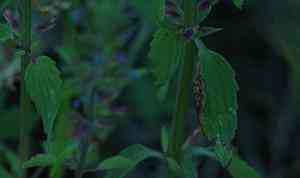
Dracocephalum thymiflorum can be identified by its upright growth habit, opposite and serrated leaves, and small blue to lilac tubular flowers. Its aromatic lemon scent is a distinctive feature.

Scientific Classification of Thyme-leaf dragon-head

Phylum
Vascular plants
Class
Dicotyledons
Order
Lamiales
Family
Mint
Genus
Dracocephalum
Species
Thyme-leaf dragon-head

Planting and Growing of Thyme-leaf dragon-head

Care Difficulty
Moderate
Watering Schedule
Every 4 days
Sunlight Requirements
Full sun
Sunshine Duration
6-10 hours
Ideal Temperature
65-75℉
Soil Type
Potting Mix, Peat Mix
Soil pH
6.5-7.5
Fertilizer Type
Balanced
Pruning Season
Spring, Summer
Pruning Area
Branches, Leaves
Pruning Frequency
2 times a year
Repotting Season
Spring
Pot Type
Ceramic, Plastic

water icon How to Water Thyme-leaf dragon-head?

Dracocephalum thymiflorum thrives best when watered thoroughly but infrequently. Water it until moisture uniformly penetrates the soil, ensuring the soil remains damp at a depth of about 5 cm. Aim for balance between slightly moist and never waterlogged conditions.
What are the symptoms of an underwatered Thyme-leaf dragon-head?
What should I do if my Thyme-leaf dragon-head is not getting enough water?
What are the symptoms of an overwatered Thyme-leaf dragon-head?
How to save an overwatered Thyme-leaf dragon-head?

sunlight icon What Are the Sunlight Requirements for Thyme-leaf dragon-head?

Sunlight Requirements: Full sun, Partial sun
Duration of light: 4-6 hours daily
Dracocephalum thymiflorum prefers full sun to partial sun environments. The ideal light range will ensure this plant exhibits vigorous growth, lush foliage, and optimal flowering, enhancing its overall aesthetic appeal.
What is the best sunlight condition for Dracocephalum thymiflorum?
How to ensure Dracocephalum thymiflorum gets ideal lighting?
What are the benefits of ideal lighting for Dracocephalum thymiflorum?

temperature icon What Is the Ideal Temperature Range for Thyme-leaf dragon-head?

Ideal Temperature: 65 ~ 75℉
Dracocephalum thymiflorum thrives in temperatures between 65°F and 75°F. These temperatures allow for optimal growth and flowering. Maintaining this range ensures the plant's physiological processes function properly, leading to healthy development.

soil icon What Soil is Best for Thyme-leaf dragon-head?

Soil type: Sandy soil, Loam, Sandy loam
Soil PH: 6.5 ~ 7.5
Dracocephalum thymiflorum thrives in soil with excellent drainage to prevent waterlogging, which can lead to root rot. This is crucial for their root health and overall vigor, promoting healthy growth. A nutrient-rich soil is essential for Dracocephalum thymiflorum, as it supports robust growth and vibrant blooms. Incorporating compost or organic matter enhances the soil's fertility, providing a steady supply of nutrients. While good drainage is paramount, Dracocephalum thymiflorum also requires soil that can retain enough moisture to keep roots hydrated. Balance is key to prevent both drought stress and overwatering.

fertilize icon How to Fertilize Thyme-leaf dragon-head?

Fertilizer type: Balanced
When fertilizing Dracocephalum thymiflorum, use a balanced liquid fertilizer diluted to half strength to avoid over-fertilization. Use about 5 ml per liter of water; for a solid fertilizer, apply 20 grams per square meter. Overfeeding can lead to excessive growth and potential damage.

prune icon How to Prune Thyme-leaf dragon-head?

Pruning Time: Spring, Summer
Start by identifying and removing any dead, diseased, or damaged stems. Cut them back to the base to promote healthy new growth. This also helps in preventing the spread of disease and allows the plant to focus energy on producing healthy foliage. Trim back overgrown or leggy stems to maintain the plant's shape and encourage bushier growth. This should be done regularly to ensure the plant maintains a compact and attractive appearance. If the plant becomes too woody or sparse, perform rejuvenation pruning by cutting it back to the main framework. This helps in invigorating the plant and encourages the growth of fresh, vibrant foliage. More About Pruning Techniques

propagate icon How to Propagate Thyme-leaf dragon-head plant?

Propagate Time: Spring, Early summer
1
Begin by soaking the seeds overnight in lukewarm water to soften the outer coating and enhance germination rates. This step is crucial for achieving a uniform sprouting process.
2
Select healthy, disease-free stems and cut them at a 45-degree angle. Remove the lower leaves before planting in well-draining soil mixed with perlite for improved aeration.
3
Both seeds and cuttings require a humid environment to thrive. Use a plastic cover or a mini greenhouse setup to maintain consistent moisture levels and warmth.
More About Propagating Techniques

repot icon How to Repot Thyme-leaf dragon-head plant?

Repotting frequency: Every 2-3 years
1
Look for signs like roots poking out from drainage holes, slowed growth, or soil that becomes waterlogged easily. These signals indicate that it's time to consider repotting Dracocephalum thymiflorum for optimal health and development.
2
Choose a pot that is one size larger than the current one. Ensure it has adequate drainage holes to allow excess water to escape, preventing root rot. Terracotta pots are particularly beneficial as they allow soil to breath, providing excellent air circulation.
3
Opt for a well-draining sandy loam mix. This type of soil provides excellent drainage and nutrient retention, allowing for proper root growth and reducing the risk of root-bound conditions when Dracocephalum thymiflorum matures.

ForwardPlant - Identify plants with a snap

Find the best spots for them to optimize their health, simply using your phone.

Try for Free