How to Propagate Thyme-leaf dragon-head?
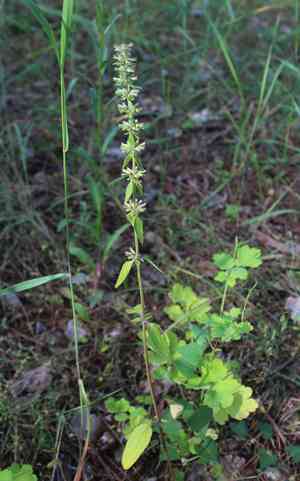
Dracocephalum thymiflorum is an attractive plant recognized for its unique leaves and fragrant properties. For successful propagation of Dracocephalum thymiflorum, verify that the growing medium drains effectively and contains ample organic material. Disperse seeds sparsely on the surface and cover them gently. Sustain steady dampness, avoiding saturation. Sprouting usually takes place within approximately fourteen days. When the young plants are sufficiently developed for handling, they can be meticulously relocated to their permanent spot.
Optimal Period for Thyme-leaf Dragon-head Propagation
Propagation Method
Sowing
Propagation Period
Spring
Tools Utilized for Thyme-leaf Dragon-head Propagation
Seed Trays
Seed trays offer a controlled setting for planting thyme-leaf dragon-head seeds. They provide ample room for germination and initial growth before transplanting. Ensure trays have good drainage to avoid waterlogging and root decay.
Seed starting mix
A seed starting mix is crucial for thyme-leaf dragon-head, providing a sterile, light medium that holds moisture well while allowing good air circulation for developing seedlings. This aids in fostering robust root development and a healthy beginning.
Heat Mat
Heat mats deliver consistent, gentle warmth from below, which benefits the germination of thyme-leaf dragon-head seeds, particularly in cooler climates. This promotes quicker and more uniform sprouting.
Humidity Dome
Humidity domes help maintain a moist atmosphere, vital during the germination phase of thyme-leaf dragon-head. This prevents seeds and seedlings from drying out, leading to higher germination rates.
Mist Spray Bottle
A mist spray bottle is essential for maintaining moisture levels in seed trays without disturbing the soil or thyme-leaf dragon-head seeds. Gentle misting keeps the soil damp for optimal seedling health.
Grow Lights
Grow lights are critical for providing sufficient light intensity and duration, especially when propagating thyme-leaf dragon-head indoors or in low-light conditions. This prevents seedlings from becoming elongated and weak.
Labels
Labels are important for tracking different seed types and planting dates in your propagation trays. Proper labeling assists in managing the growth stages and care requirements of thyme-leaf dragon-head more effectively.
Transplanting Tool
A small transplanting tool, such as a dibber or transplanter, helps gently move thyme-leaf dragon-head seedlings from seed trays to their next growing location without harming the roots. This ensures the successful establishment of young plants.
How to Propagate Thyme-leaf Dragon-head?
Propagation Type
Easy
Caring for Your Newly Propagated Thyme-leaf Dragon-head
Caring for Your Newly Propagated Thyme-leaf Dragon-head?
Post-transplant, ensure thyme-leaf dragon-head receives adequate sunlight, ideally about 6 hours of direct sun daily. Water regularly, but allow the soil to dry between waterings to prevent root rot. Once established, thyme-leaf dragon-head is fairly drought-tolerant. Periodically check for pests and diseases, taking action as needed. Prune to encourage bushier growth and maintain desired shape.
Common Errors to Avoid When Propagating Thyme-leaf Dragon-head
Overwatering
Excessive moisture can cause root rot, damaging roots and hindering successful propagation.
Improper Soil Mix
Using soil that retains too much moisture can impede effective root growth, as thyme-leaf dragon-head prefers well-draining soil.
Lack of Light
Insufficient sunlight can lead to weak, leggy growth, compromising the plant's ability to establish and thrive.
Cutting Health
Utilizing unhealthy or diseased cuttings can spread pathogens, resulting in poor propagation success.
Humidity Neglect
Failing to maintain appropriate humidity levels can cause cuttings to dehydrate, reducing their chance to root.
Advice for Propagating Thyme-leaf Dragon-head
Well-Draining Soil
Ensure the soil mixture drains well to prevent root rot and support healthy root development.
Adequate Light
Provide ample bright, indirect sunlight to promote strong and vigorous growth of the cuttings.
Healthy Cuttings
Select robust, disease-free cuttings to increase the likelihood of successful propagation.
Humidity Control
Maintain proper humidity levels, possibly using a humidity dome or regular misting, to keep cuttings hydrated without waterlogging them.
Root Hormone
Applying a rooting hormone to the cuttings can enhance rooting success.



