How to Transplant Erect canary clover?
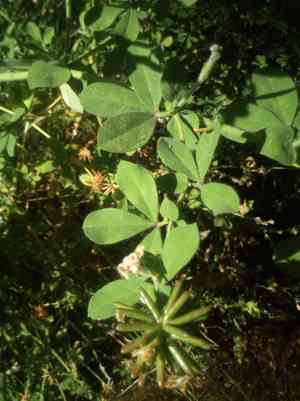
The most favorable period for relocating erect canary clover is in the core of the growing seasonâlate springâwhen moderate warmth fosters root development. Select a location bathed in sunlight with soil that drains effectively; in breezy locales, contemplate offering protection. A delicate approach is crucial for these enduring plants.
What Preparations are Needed Before Transplanting Erect Canary Clover?
What is the Ideal Time for Transplanting Erect Canary Clover?
The optimal period for moving erect canary clover extends from the end of winter's cold to just before summer's peak heat. This timeframe provides erect canary clover with an ideal combination of moderate temperatures and workable soil, fostering strong root development and minimizing stress. Utilize this favorable window to ensure erect canary clover's smooth transition and thriving growth.
How Much Space Should You Leave Between Erect Canary Clover Plants?
When preparing to place your erect canary clover in its new spot, remember to allow ample room for each plant! An ideal spacing for them would be approximately 18-24 inches (45-60 cm). This ensures each erect canary clover has sufficient area to expand its foliage without feeling cramped.
What is the Best Soil Mix for Erect Canary Clover Transplanting?
Just as you appreciate a comfortable resting place, your erect canary clover thrives in a suitable soil blend! Choose well-draining soil, possibly enhanced with some sand or loamy material. Before planting, enrich your erect canary clover's environment by incorporating a balanced, slow-release fertilizer to support its initial growth.
Where Should You Relocate Your Erect Canary Clover?
Your erect canary clover is quite fond of sunlight and enjoys basking in its radiance. Select a bright location where gentle rays can reach it for at least 6 hours daily. However, a bit of afternoon shade would be beneficial, especially in warmer climates.
What Equipments Should You Prepare Before Transplantation Erect Canary Clover?
Gardening Gloves
To safeguard your hands while handling soil and plants.
Spade or Shovel
For excavating the erect canary clover from its original spot and preparing the new planting hole.
Garden Fork
To assist in loosening the soil around the plantâs rootball and at the new location.
Hand Trowel
For more precise tasks and minor adjustments.
Watering Can or Hose
To hydrate the plant before, during, and after its relocation.
Wheelbarrow or Plant Dolly
For moving the erect canary clover if it is large or heavy.
Secateurs or Pruning Shears
To trim any damaged roots or excess foliage.
Mulch
To cover the soil after transplanting to retain moisture and suppress weeds.
How Do You Remove Erect Canary Clover from the Soil?
How Do You Remove Erect Canary Clover from the Soil?
From Ground: Hydrate the erect canary clover to moisten the soil. Dig carefully in a wide circle around the plant to avoid root damage. Gently use a spade or garden fork to remove enough soil around the rootball. Carefully slide the tool under the rootball and lift the erect canary clover from its initial position.From Pot: First, water the erect canary clover thoroughly to ensure moist roots. Invert the pot and gently tap its sides to loosen the soil. Carefully slide the erect canary clover out of the pot, ensuring you support the plant and its rootball.From Seedling Tray: Water the seedlings well beforehand. Use a hand trowel or a specialized seedling tool to carefully extract each erect canary clover from the tray. Handle the young plant by its leaves, not the stem, to prevent harm.
Step-by-Step Guide for Transplanting Erect Canary Clover
Preparation
Start by watering the erect canary clover a day prior to moving it, to lessen transplant shock and make the soil easier to work with.
Digging the New Hole
At the new site, excavate a hole that is twice the width of the erect canary clover's rootball and of equal depth, ensuring the plant sits at the same level as its original spot.
Root Pruning
Gently trim any broken or overly long roots using secateurs or pruning shears, being careful not to remove more than necessary.
Placing the Plant
Carefully position the erect canary clover in the center of the hole. Ensure it is upright and at the correct depth.
Refilling the Hole
Backfill the hole with soil, gently patting it down around the roots to eliminate air pockets. Water thoroughly to settle the soil around the roots.
Stabilizing
If the erect canary clover is tall or top-heavy, stake it to provide support until its roots establish and can adequately stabilize the plant.
Mulching
Apply a layer of mulch around the base of the erect canary clover to conserve moisture and inhibit weed growth.
How Do You Care For Erect Canary Clover After Transplanting?
Staking
If you've provided support stakes, regularly check that ties are secure but not overly tight, allowing some movement for stronger root development.
Watering
Ensure the soil remains consistently moist for the initial weeks post-transplant; this is crucial for helping the erect canary clover establish. However, avoid excessive watering which can lead to root rot.
Pruning
Remove any dead or damaged foliage to direct the erect canary clover's energy towards root establishment and new growth.
Monitoring
Keep a close watch on the erect canary clover for signs of transplant shock, such as drooping or yellowing leaves. If these symptoms appear, ensure the plant is well-hydrated and consider offering shade during the hottest part of the day.
Troubleshooting Common Issues with Erect Canary Clover Transplantation.
Why is my erect canary clover not thriving after transplant?
Ensure erect canary clover was moved during its optimal season, from mid to late spring, and given adequate spacing, ideally 18-24 inches (45-60 cm) apart.
How deep should I plant erect canary clover's roots?
Plant erect canary clover's roots at the same depth as their original growing level in the container or previous location, to encourage better adaptation.
What's the best soil type for transplanting erect canary clover?
Select well-drained soil rich in organic matter to support erect canary clover's growth and minimize transplant shock.
How often should I water erect canary clover after transplanting?
Water erect canary clover thoroughly after transplanting to settle the soil, then consistently to keep the soil moist, but not waterlogged.
Should I fertilize erect canary clover during transplant?
Wait a few weeks post-transplant before applying a balanced fertilizer to prevent burning the sensitive roots of erect canary clover.
Can I transplant erect canary clover on a hot, sunny day?
Relocate erect canary clover on an overcast day or in the evening to reduce stress and prevent immediate water loss.
My erect canary clover looks wilted post-transplant, what should I do?
Wilting is common after transplant due to shock. Keep the soil moist and provide shade if needed, while erect canary clover acclimates.
How do I handle erect canary clover's roots during transplanting?
Carefully untangle and spread erect canary clover's roots to promote outward growth, avoiding damage to the root structure.
Is it necessary to prune erect canary clover before transplanting?
Light trimming of damaged or excessively long stems can help erect canary clover focus energy on root establishment.
What should I do if erect canary clover isn't growing after a few weeks?
Be patient, as erect canary clover may take several weeks to show new growth while establishing roots. Maintain proper care, and consult a local expert if no progress is observed.



