How to Prune Erect canary clover?
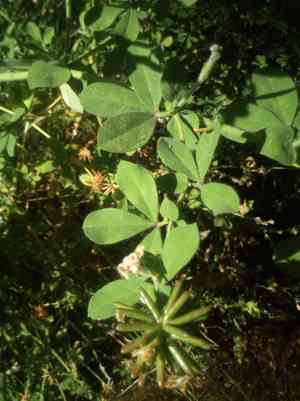
Originating from the Mediterranean, erect canary clover displays delicate leaves and blooms ranging from white to light pink. Trim erect canary clover during springtime to preserve its preferred form, and deadhead faded flowers in summer to stimulate further blooming. Gentle shaping of young specimens fosters a denser growth habit. For established erect canary clover, more substantial cuts into living wood revitalize development. Refrain from autumn pruning, as it may diminish its resilience to winter conditions. Consistent trimming improves the plant's well-being, prevents overcrowding, and sustains an appealing structure.
Advantages of Trimming Erect Canary Clover
What Are the Benefits of Pruning Erect Canary Clover?
Trimming erect canary clover promotes vigorous development and helps maintain its desired form. This process fosters a strong framework and lush foliage, enhancing its decorative appeal and ensuring peak health.
Optimal Period for Pruning Erect Canary Clover
What Is the Best Time for Pruning Erect Canary Clover?
Pruning erect canary clover in spring and early summer aligns with its post-dormancy growth phase, ensuring robust recovery and growth. Spring pruning clears winter damage and stimulates new growth, while early summer pruning, after blooming, maintains plant shape and encourages health without risking frost damage to new cuts. Pruning during this period aligns with erect canary clover's growth cycle, allowing for recovery before the less active fall and winter seasons.
Necessary Tools for Pruning Erect Canary Clover
Hand Pruners
Ideal for making precise cuts on the erect canary clover's slender stems without causing undue harm to the plant. Opt for bypass pruners due to their scissor-like action.
Pruning Shears
Useful for shaping erect canary clover and snipping off unwanted branches. Bypass shears are preferable to anvil shears to avoid crushing the stems.
Gloves
Protective gloves are essential to prevent any potential skin irritation from handling erect canary clover and also to protect the hands from sharp edges while pruning.
How to Prune Erect Canary Clover
Clean tools
Before beginning, ensure all pruning implements are clean and sharp to prevent disease transmission and achieve precise cuts.
Remove diseased leaves
Carefully inspect erect canary clover and remove any diseased leaves. Utilize clean, sharp scissors or hand pruners, cutting the leaf stem close to the plantâs base without harming the main stem.
Remove withered leaves
Locate withered leaves on erect canary clover and gently trim them at the base of the leaf stem using your pruners. This helps to redirect resources to healthy growth.
Cut diseased stems
Identify and eliminate diseased stems on erect canary clover. Make cuts at least several inches below the diseased parts, into healthy tissue, and at a 45-degree angle to promote quicker healing.
Dispose trimmed material
Properly dispose of all removed plant material by placing it in a bin or bag away from healthy plants to prevent the spread of any potential diseases.
Common Pruning Errors with Erect Canary Clover
Over-pruning
Novice gardeners often remove too much of the erect canary clover, which can stress the plant and lead to poor growth or reduced flowering. As a general rule, do not remove more than one-third of the plant's volume during a single pruning session.
Improper cut locations
Cutting erect canary clover branches at improper locations can result in unsightly growth and potential entry points for pests and disease. Always cut just above a leaf node or branching point to encourage healthy new growth.
Using dull or dirty tools
Using dull or dirty pruning tools can damage the branches of erect canary clover and introduce pathogens. It's essential to use sharp, clean pruning shears for clean cuts that heal quickly.
Neglecting to shape
Experienced gardeners know the importance of shaping erect canary clover for aesthetic appeal, but novices might neglect this aspect. An even, intentional shape not only looks better but also ensures even growth.
General Pruning Advice for Erect Canary Clover
Selective thinning
Remove selected branches of erect canary clover to thin out dense areas. This improves air circulation and light penetration, which are critical for reducing the risk of disease and promoting robust growth.
Deadheading spent flowers
Erect canary clover benefits from removing spent flowers, a practice known as deadheading. This encourages repeat blooming by preventing the plant from diverting energy into seed production.
Maintaining plant structure
Preserve the natural form of erect canary clover by pruning wayward stems and any weak, dead, or crossing branches. This maintains a strong structure and promotes a visually pleasing shape.
Pruning for regeneration
Experienced gardeners can prune erect canary clover to stimulate new growth and rejuvenate aging plants. By cutting back old stems, you can encourage fresh, vigorous growth from the base.



