How to Transplant Tusilla?
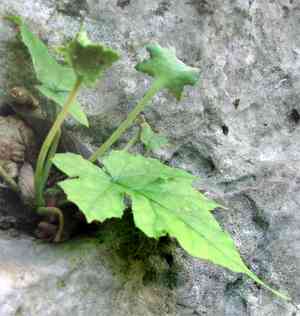
The most favorable period for relocating tusilla is in the heart of spring, once the ground has warmed and vitality is re-emerging in the landscape. Select a location featuring soil that drains effectively and receives dappled sunlight, and handle with care during the transfer to guarantee a smooth adjustment.
Essential Preparations Before Relocating Tusilla
Optimal Timing for Tusilla Relocation?
The best period for moving tusilla is during the onset of its active growth phase, typically from mid to late spring. This timeframe offers mild weather, allowing tusilla's root system to establish without the stress of extreme heat or cold. Positioning tusilla to adapt during this moderate phase maximizes its chances of flourishing, while also benefiting from the moist spring soil that aids root development. Transplanting tusilla during this burst of new growth ensures robust and healthy progress in subsequent seasons. Remember, careful attention during this initial stage lays the groundwork for tusilla's future vitality.
Recommended Spacing Between Tusilla Plants?
Hello, gardening enthusiast! To provide your tusilla ample room to thrive, position them 1-2 feet (30-60 cm) apart. This distance is ideal for their growth without causing overcrowding. Quite straightforward, wouldn't you agree?
Ideal Soil Blend for Tusilla Transplanting?
This aspect is crucial – tusilla thrives in well-draining soil. Therefore, mix compost into your garden soil to enrich it and make it friable. A dose of slow-release fertilizer will then provide them with an excellent start.
Optimal Location for Tusilla Relocation?
Did you know that tusilla loves sunlight? Thus, it's best to move it to a spot that receives abundant sun but is also shielded from the intense afternoon rays. Happy gardening!
Tools Required Before Transplanting Tusilla
Garden Spade
For excavating a hole appropriate for the plant's root mass.
Gardening Gloves
To safeguard your hands while handling soil and the plant.
Pots or Seedling Trays
Essential if you are starting with a young plant or if the tusilla was originally container-grown.
Trowel
This small hand tool is excellent for making precise adjustments to the plant's position after it has been moved.
Garden Hose or Watering Can
You will need this to maintain soil moisture during the transplanting process.
Mulch
To cover the ground around the plant post-transplant, preventing weed growth and retaining moisture.
Method for Extracting Tusilla from the Soil?
Method for Extracting Tusilla from the Soil?
From Ground: First, hydrate the tusilla plant to moisten the soil. Next, excavate a wide trench around the plant using a garden spade, taking care not to harm the plant's root ball during the process. Work the spade beneath the root ball to lift the plant from its original spot.From Pot: If the tusilla plant is in a container, water it thoroughly and turn the pot on its side. Gently tap the pot's edges on a firm surface to loosen the soil and the plant. Hold the plant by its base and carefully slide it out of the pot.From Seedling Tray: Water the tray and use a small trowel or your fingers to carefully lift out the tusilla seedling, including as much of its root system as possible.
Step-by-Step Guide for Relocating Tusilla
Excavating the Hole
Dig a hole twice as wide and equally deep as the plant's root ball. Ensure the base of the hole is firm to prevent the plant from settling over time.
Plant Positioning
Place the tusilla plant into the hole, making sure the top of the root ball is level with the surrounding soil surface. Backfill the hole with the soil previously removed.
Settling In
Gently firm the soil around the base of the tusilla plant with your hands. Then, water the plant thoroughly to settle the soil around the roots.
Mulch Application
Apply a layer of mulch around the plant, ensuring it is not mounded against the stem.
Post-Transplant Care for Tusilla
Watering
Keep the soil around the tusilla consistently damp, but not waterlogged, for the initial few weeks after transplanting. This aids the plant in establishing robust roots.
Monitoring
Observe the tusilla plant's development and look for indicators of stress, such as wilting, yellowing, or stunted growth. If these signs appear, adjust care as needed.
Pruning
Pruning can promote healthier growth of the tusilla after transplanting. Remove dead, damaged, or diseased branches and leaves.
Resolving Common Issues with Tusilla Transplantation.
When is the optimal time to transplant my tusilla?
Relocate your tusilla during its second or third growth season. This timing facilitates successful establishment in its new location.
What is the ideal spacing when transplanting tusilla?
For optimal development, position tusilla approximately 1-2 feet (30-60 cm) apart. This spacing minimizes crowding and allows for adequate sunlight and air circulation.
How deep should I plant tusilla when transplanting?
Plant tusilla at the same depth it was previously growing. This prevents root desiccation and ensures the stem remains stable and upright.
How do I prepare the soil before transplanting tusilla?
Ensure the soil drains well and is loose. Incorporate organic matter or compost to enhance fertility and supply essential nutrients for tusilla.
What should I do if my transplanted tusilla wilts?
First, review your watering routine. Tusilla requires consistent moisture but not waterlogged soil. Also, consider using a shade cloth to reduce sun exposure immediately after transplanting.
How much sunlight does my transplanted tusilla need?
Tusilla prefers partial to full sun. Ensure it receives at least 6 hours of sunlight daily. Excessive shade can hinder growth.
Why are the leaves of my transplanted tusilla turning yellow?
This could be due to overwatering or nutrient deficiency. Reduce watering if the soil is perpetually wet. You may need to fertilize the plant if the soil lacks nutrients.
How do I protect my newly transplanted tusilla from pests?
Utilize natural pest deterrents such as neem oil or insecticidal soap. Regularly inspect your tusilla to detect infestations early, as they are easier to manage.
Can I transplant my tusilla into a larger pot?
Absolutely! Tusilla thrives in containers. Just ensure the pot has good drainage and the soil is well-prepared to support your tusilla's growth.
Why are the growth rates slow in my transplanted tusilla?
Slow growth might be attributed to insufficient sunlight, inconsistent watering, or a need for nutrients. Adjust these conditions and observe if the tusilla's growth accelerates.



