How to Prune Tusilla?
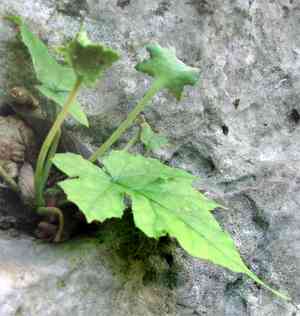
Tusilla, an uncommon herbaceous perennial recognized for its helical flower spike, thrives with trimming to preserve its form and foster robust development. Perform pruning in spring or early summer once vigorous growth recommences. Remove faded blooms and snip off impaired or excessively long stems with sanitized, keen implements to avert illness. Trimming not only stimulates fresh growth but also enhances air circulation, diminishing the likelihood of fungal problems. Always prune tusilla judiciously to prevent undue strain.
What Are the Benefits of Pruning Tusilla?
What Are the Benefits of Pruning Tusilla?
Trimming tusilla promotes robust development and maintains its desired form. By eliminating dead or overgrown branches, tusilla can allocate more energy to producing new, vigorous growth.
What Is the Best Time for Pruning Tusilla?
What Is the Best Time for Pruning Tusilla?
Trimming tusilla during Spring or early Summer coincides with the start of the plant's active growth phase, allowing for immediate healing of cuts and encouraging healthy new growth. Pruning in Spring, after the final frost, can help remove any winter damage and fosters strong growth as temperatures rise. Early Summer pruning is also beneficial as it enables gardeners to shape tusilla before it reaches its full summer size, preventing stress during hotter, drier periods. It is crucial to avoid pruning during flowering or fruiting times as this can diminish the plant's reproductive capacity. Given that tusilla typically lacks a prominent flowering period requiring horticultural adjustment, the primary focus of pruning should be on plant health and maintaining its desired structure.
What Tools Do I Need to Prune Tusilla?
Sharp Bypass Pruners
These are perfect for making clean cuts on tusilla, which is vital for healthy regrowth and preserving the plant's shape. Avoid anvil-style pruners, as they can crush the stems.
Pruning Snips
Useful for detailed trimming and removing small, delicate stems or leaves from tusilla without causing unnecessary harm to the plant's structure.
Gloves
Wearing gloves protects your hands from any potential skin irritants on tusilla and ensures a safe trimming experience.
Disinfectant (e.g., Rubbing Alcohol)
To prevent the spread of disease, always sanitize your tools before and after pruning tusilla.
How to Prune Tusilla
Disinfect tools
Before pruning tusilla, clean and sanitize pruning shears or scissors to prevent the spread of disease.
Identify
Inspect tusilla for diseased and withered leaves, and identify any affected stems that require removal.
Cut diseased leaves
Carefully remove diseased and withered leaves from tusilla by cutting them at the base of the leaf stem, ensuring not to harm adjacent healthy foliage.
Remove diseased stems
Prune diseased stems from tusilla by making a clean cut at a 45-degree angle just above a healthy leaf node or bud to encourage new growth.
Dispose
Properly dispose of all removed parts of tusilla to prevent the spread of disease to other plants.
Common Pruning Mistakes with Tusilla
Overpruning
Removing too much foliage can stress tusilla and may lead to poor plant health or reduced blooms.
Improper Cuts
Incorrect cutting techniques can cause unnecessary damage to the plant. Cuts should be made cleanly just above leaf nodes.
Using Dull Tools
Dull or unclean pruning tools can bruise or tear plant tissue, leaving tusilla vulnerable to diseases.
Pruning Healthy Growth
Removing healthy growth indiscriminately can limit tusilla's potential for flourishing and affect its natural shape.
Ignoring Plant Shape
Failing to consider the natural growth habit can result in tusilla losing its aesthetic and an unbalanced appearance.
Common Pruning Tips for Tusilla
Sharp Tools
Always use sharp, sanitized pruning shears to make clean cuts that heal quickly, reducing the risk of disease for tusilla.
Selective Pruning
Focus on removing dead, diseased, or damaged foliage as well as any excessively dense growth that may hinder sunlight and airflow.
Cut Angle
Cut at a 45-degree angle to prevent water from accumulating on the cut surface, which could lead to rot or fungal growth on tusilla.
Growth Direction
Prune just above a leaf node aiming toward the outside of the plant to encourage outward growth and better shape for tusilla.
Post-pruning Care
After pruning, ensure tusilla receives adequate water, nutrients, and mulch to support recovery and healthy growth.



