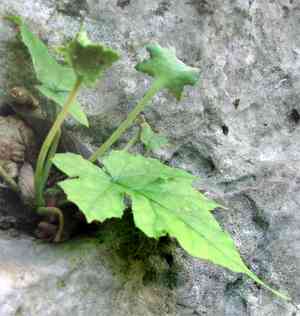
Tusilla (Dorstenia contrajerva)
Also known as: Contra hierba
Dorstenia contrajerva, a plant native to northern South America and Central America, received its scientific name in 1753. The name was assigned by Carl Linnaeus and is derived from the Spanish term "contrayerba," indicating its traditional use as a remedy against poisons.
In This Article
Attributes of Tusilla
Lifespan
Perennial
Plant Type
Herb
Plant Height
15 cm to 30 cm
Spread
Not commonly noted
Leaf Color
Green
Flower Size
2.5 cm
Flower Color
White
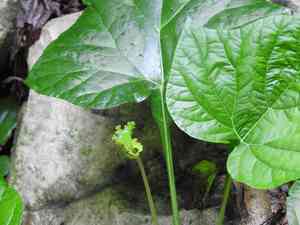
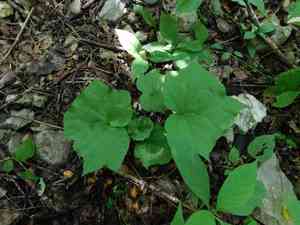
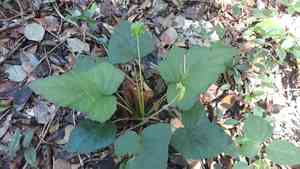
Images of Tusilla
Quickly Identify Tusilla
1
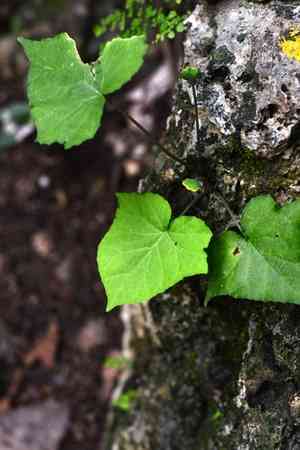
Typical identifying features include its highly variable, deeply lobed leaves and small, greenish flowers that are arranged on a dense, spiky inflorescence. It often grows in shaded and moist environments.
Scientific Classification of Tusilla
Phylum
Vascular plants
Class
Dicotyledons
Order
Rosales
Family
Mulberry
Genus
Dorstenia
Species
Tusilla
Planting and Growing of Tusilla
Care Difficulty
Moderate
Watering Schedule
Every 3 days
Sunlight Requirements
Partial sun
Sunshine Duration
6-10 hours
Ideal Temperature
65-75℉
Soil Type
Potting Mix, Peat Mix
Soil pH
6.5-7.5
Fertilizer Type
Balanced
Pruning Season
Spring, Summer
Pruning Area
Branches, Leaves
Pruning Frequency
2 times a year
Repotting Season
Spring
Pot Type
Plastic, Ceramic
 How to Water Tusilla?
For Dorstenia contrajerva, water it generously yet ensure the soil drains well. The key is to keep the soil moist but not soggy. Allow the top inch of soil to dry between watering sessions to prevent root rot and fungal issues.
What are the symptoms of an underwatered Tusilla?
›
What should I do if my Tusilla is not getting enough water?
›
What are the symptoms of an overwatered Tusilla?
›
How to save an overwatered Tusilla?
›
 What Are the Sunlight Requirements for Tusilla?
Partial shade or diffused light is perfect for Dorstenia contrajerva, promoting vibrant growth. It best replicates its natural habitat, reducing stress and encouraging lush foliage.
More About Sunlight Requirements Techniques→
Optimal Sunlight Exposure
›
Adjusting Light During Seasons
›
Balancing Indoor and Outdoor Living
›
 What Is the Ideal Temperature Range for Tusilla?
The ideal temperature range for Dorstenia contrajerva is between 65°F and 75°F. This tropical plant thrives in warmer climates, mimicking its natural habitat. Keeping it within this range ensures optimal growth and prevents stress. A stable temperature not only promotes photosynthesis but also aids in nutrient absorption and general plant health.
 What Soil is Best for Tusilla?
Dorstenia contrajerva thrives in well-drained soils, which prevent waterlogging that can lead to root rot. Ensuring good drainage helps the plant absorb necessary nutrients effectively. The plant benefits from soils rich in organic matter, as it provides essential nutrients for robust growth. Having a fertile substrate encourages healthy foliage and strong root systems. This species prefers soil that maintains moderate moisture levels, helping in consistent hydration without oversaturation. It supports vital metabolic processes and ensures steady growth.
 How to Fertilize Tusilla?
When it comes to fertilizing Dorstenia contrajerva, aim for a balanced approach. Use a high-quality, water-soluble fertilizer with an N-P-K ratio of 20-20-20 at half strength. This ensures that the plant receives essential nutrients without overwhelming its roots, fostering steady growth and vibrant foliage. Be cautious not to overdo it, as too much fertilizer may lead to nutrient burn.
 How to Prune Tusilla?
Begin by identifying dead, discolored, or misshapen leaves on your Dorstenia contrajerva. These should be the primary targets for removal during your pruning session. When removing leaves or stems, make clean cuts at a slight angle. This prevents water from collecting on the cut surface and reduces the risk of rot or fungal infection. Prune back leggy stems or those that appear thin and straggly. This encourages the plant to grow back bushier and more compact, enhancing its overall appearance.
More About Pruning Techniques→
 How to Propagate Tusilla plant?
1
Use a well-draining soil mix. You can mix peat moss with perlite to ensure good aeration and moisture retention needed for healthy plant growth.
2
Place the seeds on the surface of the prepared soil and cover them lightly with a thin layer of soil. Water gently to ensure the seeds settle into the soil.
3
Select a healthy stem and make a clean cut below a node. Remove any lower leaves to minimize moisture loss and place the cutting in water or directly into the soil.
 How to Repot Tusilla plant?
1
Dorstenia contrajerva needs repotting when roots start to appear through drainage holes or the plant becomes root-bound, which stunts its growth. These signs usually occur every 2-3 years. Another sign is when water takes longer to drain, indicating that the soil has become compacted. Repotting provides fresh growing medium and space for roots to expand.
2
Choose a pot that is slightly larger than the current one, with good drainage holes. A pot that is too large can retain excessive moisture, which can lead to root rot, while a well-sized pot promotes even moisture distribution and prevents waterlogging. Clay pots are ideal as they allow for better air circulation around the roots.
3
Opt for a well-draining potting mix, preferably one formulated for cacti or succulents, due to Dorstenia contrajerva's need for good aeration and drainage. This minimizes the risk of root rot and helps retain just the right amount of moisture while avoiding water retention that could suffocate the roots.
Learn More About Tusilla Diseases
Anthracnose
Bacterial Leaf Spot
Bacterial Soft Rot
Damping-off
Downy Mildew
Drought Stress
Fusarium Wilt
Gray Mold
Leaf Curl
Leaf Spot
Mosaic
Nutrient Deficiency
Nutrient Toxicity
Powdery Mildew
Root Rot
Root-knot Nematode
Sooty Mold
Spider Mites
Temperature Stress
Thrips Damage
White Mold
Chemical Injury



