How to Transplant Million hearts?
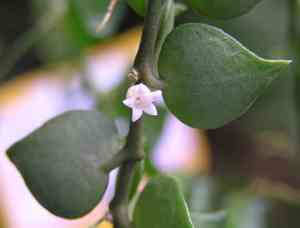
The ideal period for relocating million hearts is from the mild warmth of late spring through summer, allowing sufficient development. Position million hearts in luminous, filtered light, and carefully move it to prevent root trauma, facilitating a seamless adjustment to its new environment.
What Preparations are Needed Before Transplanting Million Hearts?
What is the Ideal Time for Transplanting Million Hearts?
The best time to re-pot million hearts is in late spring or early summer. This period aligns with million hearts's natural growth phase, promoting better root establishment, recovery, and a strong growth surge. Warm weather conditions are also perfect for root development, giving your million hearts the best start in its new spot.
How Much Space Should You Leave Between Million Hearts Plants?
When moving million hearts, ensure adequate spacing. This provides ample room for growth and maintains plant health. Aim for approximately 1-2 feet (30-60 cm) between each plant.
What is the Best Soil Mix for Million Hearts Transplanting?
Prepare your garden bed! The ideal soil for million hearts is well-draining, typically a blend of sand or perlite with peat moss. Before planting, incorporate a balanced granular fertilizer to support the plant's development.
Where Should You Relocate Your Million Hearts?
Find the perfect location for million hearts! They thrive in areas with bright, indirect sunlight. A windowsill receiving morning or late afternoon sun would be excellent. Avoid exposing your plant to harsh midday sun.
What Equipments Should You Prepare Before Transplantation Million Hearts?
Gardening Gloves
To safeguard your hands while handling the plant and soil.
Garden Spade
To dig the hole for your million hearts, allowing for smooth soil penetration.
Pruning Shears
For trimming the plant if needed. This helps prevent diseases and encourages healthier growth.
Garden Trowel
This tool will assist in scooping soil when preparing the new site for your million hearts.
Watering Can
To keep the soil moist during the transplanting process and to water the plant afterward. This aids in settling the soil and roots.
Organic Compost/Mulch
This will supply essential nutrients for your million hearts to thrive and also helps maintain soil moisture levels.
How Do You Remove Million Hearts from the Soil?
How Do You Remove Million Hearts from the Soil?
From Ground: Before extracting your million hearts from the ground, it's best to water the plant the day before. This helps keep the soil around the roots intact during transplanting. Use a garden spade to gently dig around the plant, about 6-8 inches from the base to avoid root damage. Continue working with the spade until you can safely lift the plant.From Pot: Water the million hearts plant thoroughly to facilitate easy removal of roots and soil. Then, tilt the pot sideways, grasp the plant at its base, and gently pull it out. It should slide out with the soil and root system intact.From Seedling Tray: You can use a garden trowel or your hand to carefully lift the million hearts, keeping as much soil around the roots as possible. Remember they are delicate, so handle with care.
Step-by-Step Guide for Transplanting Million Hearts
Plant Preparation
Remove any damaged or diseased leaves using pruning shears.
Locate Choosing
Select a site suitable for your million hearts plant's eventual size and growth habit.
Hole Preparation
Use your Garden Trowel to create a hole twice the root ball's diameter and deep enough to maintain the plant's original planting depth.
Placing the Plant
Position your million hearts in the hole and lightly pack soil around the root ball. Avoid covering the stem with soil.
Watering
Water the plant generously with a watering can immediately after planting.
How Do You Care For Million Hearts After Transplanting?
Monitoring
Regularly check the plant for any signs of water stress or disease, especially in the initial weeks post-transplant.
Pruning
Continue to remove any dead or yellowing leaves. This allows the plant to focus energy on root development.
Feeding
After a few weeks following transplantation, apply compost/mulch to ensure the plant receives necessary nutrients.
Relocation
If the million hearts plant appears unhealthy despite your efforts, consider moving it to a different location. It might not be receiving optimal conditions in its current spot.
Troubleshooting Common Issues with Million Hearts Transplantation.
When is the best time to transplant million hearts?
The optimal period for transplanting million hearts is during the S3 through S6 seasons. This timeframe allows the plant sufficient time to settle and adapt to its new environment.
What is the optimal distance between each million hearts when transplanting?
Ensure million hearts plants are spaced 1-2 feet (30.5-61 cm) apart. This distance provides ample room for growth and prevents overcrowding.
What kind of soil works best for million hearts during transplanting?
Million hearts thrives in well-draining soil. The soil should be rich in organic matter but not excessively heavy. Overly dense soil can lead to waterlogging, which is detrimental to the plant.
How much should I water million hearts after transplanting?
Million hearts should be thoroughly watered initially after transplanting to help the soil settle around the roots. However, avoid overwatering, as this can cause root rot. Always check soil moisture before watering.
How big a pot do I need for transplanting million hearts?
Select a pot that is slightly larger than the root ball of million hearts. It should be deep enough for root growth, ideally about 10-12 inches (25-30 cm) in diameter.
How deep should the million hearts be planted when transplanting?
The million hearts should be planted at the same depth it was in its previous pot. This ensures the plant is neither too deep nor too shallow, preventing root exposure or insufficient anchorage.
Do I need to add any fertilizer when transplanting million hearts?
Fertilizing million hearts during transplantation is not essential, but it aids in quicker establishment. Consider a slow-release, balanced all-purpose plant fertilizer to encourage healthy growth.
Should I trim million hearts during the transplanting process?
Trimming is not mandatory during the transplanting of million hearts. However, pruning dead or overgrown branches can promote more vigorous growth and successful transplantation.
What precautions should I take while transplanting million hearts to avoid disease transmission?
Use sterilized tools and pots to prevent contaminating million hearts. Carefully inspect the plant for signs of disease or pests before and after transplanting.
What should I do if the transplanted million hearts appears to be wilting or dying?
Wilting after transplantation can indicate transplant shock. Maintain proper watering, provide shade, and consider using a transplant stress relief product to help the million hearts adjust better.



