Enhancing Your Garden Design with the Million hearts Plant: A Landscaping Guide
1
Million hearts is an adaptable plant flourishing in both full sun and some shade.
2
Consistent trimming will help Million hearts keep its appealing, full look.
3
Pair Million hearts with plants offering different textures and hues for a harmonious garden.
Introducing Million Hearts in Landscape Design
Understanding the distinct characteristics of Million Hearts
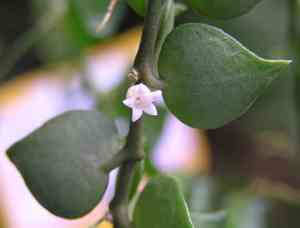
Million Hearts is a charming and robust plant recognized for its trailing, heart-shaped leaves that lend a delicate touch to any garden. Its compact growth and simple care make it a favored option for both novice and seasoned gardeners. Furthermore, Million Hearts can be utilized in hanging baskets, as ground cover, or to gracefully drape over garden edges, offering adaptability in landscaping applications.
Why opt for Million Hearts in your landscape?
Selecting Million Hearts for your garden offers numerous advantages. Its visual appeal, marked by dense foliage and distinctive leaf shapes, provides an aesthetic interest difficult to replicate with other plants. Moreover, Million Hearts is drought-tolerant and flourishes in various settings, from indoor environments to outdoor gardens. Its low-maintenance nature makes it ideal for busy individuals or those new to gardening.
Optimal Placement of Million Hearts in Garden Designs
Assessing light and shade zones for ideal Million Hearts development
To promote optimal growth, it's crucial to evaluate the light distribution in your garden. Million Hearts prefers bright, indirect sunlight but can also endure partial shade. Position Million Hearts in areas where it receives filtered sunlight throughout the day, such as beneath taller plants or near structures that offer light diffusion. Avoid direct, intense sunlight as it can scorch the leaves and impede growth.
Integrating Million Hearts into diverse garden aesthetics
Million Hearts can be seamlessly incorporated into various garden styles, whether you favor a modern, minimalist approach or a lush, tropical aesthetic. For a contemporary garden, use Million Hearts in sleek containers or hanging planters to emphasize its structured elegance. In tropical settings, pair it with other verdant plants for a dense, jungle-like feel. Its adaptability allows it to complement rock gardens, vertical gardens, and even small urban spaces.
Companion Plants and Design Elements for Million Hearts
Choosing plants that enhance Million Hearts's visual appeal
When selecting companion plants for Million Hearts, choose species with contrasting textures and colors. Plants like ferns, hostas, and ornamental grasses work well, creating a diverse tapestry of foliage. Bright, flowering plants such as begonias or impatiens can be interspersed with Million Hearts to introduce splashes of color, enriching the overall garden aesthetic.
Design strategies to highlight Million Hearts's distinctiveness
To showcase Million Hearts's best features, consider design techniques that emphasize its trailing growth habit. Utilize elevated planters or tiered garden beds to allow its foliage to cascade downwards. Additionally, positioning Million Hearts at the front of garden borders or on vertical trellises can create striking visual layers. Combining these techniques ensures that Million Hearts stands out and enhances the overall landscape design.
Maintaining Million Hearts's Aesthetic Appeal Over Time
Regular observation and grooming advice for Million Hearts
Preserving the visual appeal of Million Hearts involves consistent observation and grooming. Prune any dead or overgrown stems to encourage healthy new growth. Regularly check for signs of pests or disease, as early intervention can prevent widespread issues. Fertilizing Million Hearts with a balanced, water-soluble feed during the growing season will also support its lush, vibrant appearance.
Addressing common problems when cultivating Million Hearts in landscapes
While Million Hearts is relatively easy to care for, it can encounter some common issues like mealybugs, root rot, and leaf discoloration. Ensure the soil drains well to prevent waterlogging and root rot. If pests are detected, use appropriate organic insecticides or introduce beneficial insects to the garden. Monitoring environmental conditions and adjusting care routines accordingly can keep Million Hearts healthy and thriving.



