How to Transplant Japanese persimmon?
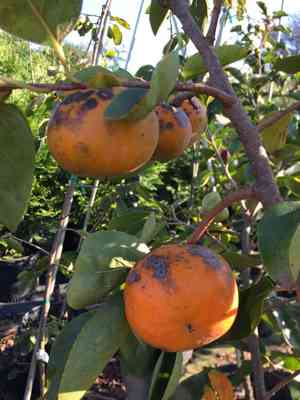
To achieve the best development, relocate japanese persimmon in the revitalizing season of early spring, which aids in averting transplant trauma. Select a bright spot with soil that drains effectively. Carefully loosen the roots during transplantation to foster robust root expansion.
Essential Preparations Before Relocating Japanese Persimmon
Optimal Timing for Transplanting Japanese Persimmon
The start of the year, specifically 'early spring,' is the best time to move japanese persimmon. This timing allows the plant sufficient opportunity to establish its root system before the summer heat. Imagine japanese persimmon flourishing in your garden, enhancing its beauty and yielding delicious fruit because you transplanted it at the opportune moment. So, what do you think? Let's provide japanese persimmon a new home this early spring!
Required Spacing Between Japanese Persimmon Plants
When transplanting japanese persimmon, position them approximately 20 feet (6 meters) apart. This spacing ensures each plant has ample room to grow and flourish without overcrowding or competing for resources.
Ideal Soil Mixture for Japanese Persimmon Transplantation
To prepare the soil, select a well-draining, loamy type, and incorporate a base fertilizer with a balanced N-P-K ratio. This will supply japanese persimmon with the vital nutrients needed for robust growth.
Choosing a New Location for Your Japanese Persimmon
Pick a spot with full sun or partial shade for transplanting japanese persimmon. It thrives in areas receiving 6-8 hours of sunlight daily, which helps it grow strong and produce abundant fruit.
Equipment Needed Before Transplanting Japanese Persimmon
Shovel or Spade
For digging holes and carefully lifting the root ball of the japanese persimmon plant from its original spot.
Pruning Shears
Essential if you need to trim any overgrown roots or branches prior to transplanting.
Gardening Gloves
To safeguard your hands while handling the soil and the japanese persimmon plant.
Watering Can
To irrigate the japanese persimmon both before and after its relocation.
Gardening Fork
Useful for loosening the soil around the japanese persimmon as you remove it from its initial position.
Method for Removing Japanese Persimmon from the Soil
Method for Removing Japanese Persimmon from the Soil
From Ground: First, thoroughly water the japanese persimmon plant to moisten and loosen the soil. Use a spade or shovel to carefully dig a wide trench around the plant, ensuring the root ball remains intact. Be gentle and patient when working the spade beneath the root ball to lift the plant from the ground.From Pot: Begin by watering the japanese persimmon plant. Gently tip the pot sideways and, while supporting the plant's base, tap the pot's edge on a firm surface. This action should allow the plant, along with its root ball, to slide out. If it's stuck, you might need to cut the pot away.From Seedling Tray: Carefully grasp the japanese persimmon by its leaves, not the stem, and pull it upwards. The seedling should emerge with its roots and some soil attached. Handle it with care as seedlings are much more delicate.
Step-by-Step Guide for Transplanting Japanese Persimmon
Preparation
Ensure the prepared hole is sufficiently wide and deep for the japanese persimmon root ball, allowing space for future growth. The depth should match the plant's original planting level, not deeper.
Positioning
Carefully place your japanese persimmon into the hole, making sure the root ball is centered and upright.
Backfilling
Gradually refill the hole with soil, gently patting around the root ball to eliminate any air pockets.
Watering
Immediately after transplanting, water thoroughly. This initial watering is vital for settling the soil and minimizing transplant shock.
Post-Transplant Care for Japanese Persimmon
Consistent Watering
Maintain consistently moist, but not waterlogged, soil around the japanese persimmon for the first few weeks after transplanting to aid root establishment.
Pest/Disease Monitoring
Regularly inspect your transplanted japanese persimmon for any indications of pests or disease. Early detection and treatment will significantly improve your plant's chances of a healthy start in its new location.
Pruning
Avoid extensive pruning immediately after transplanting, as this can stress the plant. However, removing any dead or diseased branches can benefit the japanese persimmon's overall health and encourage root development.
Addressing Common Issues During Japanese Persimmon Transplantation
When is the optimal time to transplant japanese persimmon?
Transplanting japanese persimmon is best performed as winter recedes, just before spring arrives.
What is the recommended distance between two japanese persimmon plants during transplantation?
Ensure ample spacing between plants, ideally around 20 feet (6 meters) apart for optimal growth.
Is it necessary to prune japanese persimmon before transplanting?
Absolutely! You should trim back the branches to a length of approximately 6-8 inches (15-20 cm). This helps reduce water stress.
Which soil type is most suitable for japanese persimmon during transplantation?
Japanese persimmon thrives best in well-draining, sandy or loamy soil. Ensure the soil is rich in organic matter.
How should I prepare the hole for japanese persimmon during transplantation?
Dig a hole twice the size of the root ball. This provides sufficient space for the roots to spread and establish.
How deep should japanese persimmon be planted during transplantation?
The japanese persimmon should be planted at the same depth as it was in its original location. Planting too deep could lead to root rot.
How should I water japanese persimmon after transplantation?
Water thoroughly immediately after transplanting, then continue watering one to two times per week until the plant is established.
Should I add fertilizer when transplanting japanese persimmon?
While not essential, a slow-release, low-nitrogen fertilizer can be applied at planting time to support strong root development.
What action should I take if my transplanted japanese persimmon starts to wilt?
First, check the soil's moisture level. If dry, water it. If wet, allow it to dry out. Then, confirm it's receiving adequate sunlight.
How can I protect newly transplanted japanese persimmon from weather elements?
If heavy rain or intense sunlight is anticipated, a temporary shelter might be beneficial. However, remember that japanese persimmon thrives in abundant sun!



