How to Transplant Intoxicating yam?
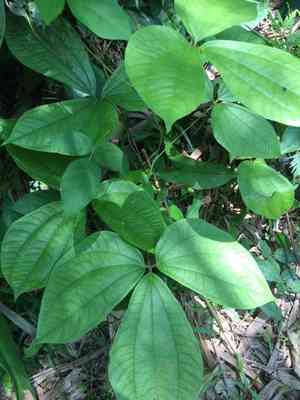
The period from early to mid-spring is ideal for relocating intoxicating yam, given the favorable growing environment. Select a location that receives full sun or partial shade and has soil that drains effectively. Handle the plant with care to safeguard its root system and encourage successful integration.
Essential Preparations Before Relocating Intoxicating Yam?
Optimal Period for Moving Intoxicating Yam?
For peak outcomes, transfer intoxicating yam, a perennial species, from the start to the end of spring. This timeframe offers mild temperatures and increased daylight, fostering root establishment and development. Additionally, spring rains ensure sufficient soil moisture, aiding faster acclimation. These conditions help intoxicating yam flourish in its new spot, guaranteeing a strong beginning and healthy progression.
Required Spacing Between Intoxicating Yam Specimens?
For intoxicating yam, ensure plants are spaced 24-36 inches (60-90 cm) apart to provide ample room for growth and prosperity. Correct spacing prevents crowding and promotes air circulation, lowering disease risk.
Best Soil Blend for Intoxicating Yam Relocation?
Prepare well-draining soil rich in organic material for intoxicating yam. Loamy soil combined with compost or aged manure performs best. Incorporating a balanced base fertilizer will help supply the necessary nutrients for robust growth.
Where to Replant Your Intoxicating Yam?
Select a site that receives full sun, approximately 6-8 hours daily, for transplanting intoxicating yam. Sufficient sunlight encourages vigorous growth and better yields. Ensure the location is also shielded from strong winds to safeguard the plants.
Equipment Needed Before Moving Intoxicating Yam?
Gardening Gloves
To safeguard your hands while handling soil and plants.
Shovel or Spade
For digging and lifting the plant from its original bed or container.
Trowel
To excavate smaller holes and assist with careful positioning.
Watering Can or Hose
To hydrate the plant before and after its relocation.
Burlap or Plastic Sheeting
To aid in lifting the plant and keeping soil around its roots.
How to Extract Intoxicating Yam from the Ground?
How to Extract Intoxicating Yam from the Ground?
From Ground: First, water the intoxicating yam plant to moisten the soil. Then, dig a wide trench around the plant using a shovel or spade, ensuring the plant's root ball remains intact. Carefully work the spade beneath the root ball to lift the plant from its initial spot.From Pot: Thoroughly water the intoxicating yam plant. Gently turn the pot on its side and tap the edges to loosen the soil. Carefully slide the plant out, supporting the root ball with your hand.From Seedling Tray: Ensure the soil in the tray is damp. Use a trowel or your fingers to gently lift the seedlings, taking care to keep as much soil around the roots as possible.
Detailed Guide for Relocating Intoxicating Yam
Site Preparation
Ensure the new planting area is ready. Dig a hole that is twice as wide and the same depth as the root ball of the intoxicating yam plant.
Lifting the Plant
Gently lift the intoxicating yam plant using the appropriate removal technique for its original location. Support the root ball with burlap or plastic sheeting if necessary.
Placing the Plant
Carefully position the intoxicating yam plant in the prepared hole, ensuring it sits at the same depth it was growing previously. Fill the hole with soil, gently firming it around the roots.
Watering
Thoroughly water the intoxicating yam plant after transplanting to help settle the soil and minimize shock to the plant.
Mulching
Apply a layer of mulch around the base of the intoxicating yam plant to help retain moisture and regulate soil temperature.
Post-Transplant Care for Intoxicating Yam.
Watering
Keep the soil around the intoxicating yam consistently moist, but not waterlogged, for the initial weeks after transplanting to aid in strong root establishment.
Monitoring
Regularly inspect the intoxicating yam plant for signs of transplant shock, such as wilting or yellowing foliage, and provide extra water if needed.
Protection
Shield the intoxicating yam plant from harsh winds or direct sunlight during the hottest part of the day if possible, until it is well established.
Addressing Common Issues with Intoxicating Yam Relocation.
When is the best time to transplant intoxicating yam?
The ideal period to transplant intoxicating yam is from early to late spring for optimal outcomes.
What soil type is ideal for intoxicating yam?
Well-draining, loamy soil is perfect for intoxicating yam, ensuring healthy root development.
How far apart should intoxicating yam be spaced?
Space intoxicating yam plants 24-36 inches (60-90 cm) apart to allow for proper growth.
How deep should the hole be for transplanting intoxicating yam?
Dig a hole 6-8 inches (15-20 cm) deep, ensuring the root ball fits comfortably.
What watering routine should be followed after transplanting intoxicating yam?
Water thoroughly immediately after transplanting, then maintain consistent moisture without overwatering.
How can I protect intoxicating yam from transplant shock?
Minimize handling, water well, and provide temporary shade if needed to reduce transplant shock.
Should I fertilize intoxicating yam right after transplanting?
Wait a few weeks before fertilizing to allow intoxicating yam to establish roots first.
What sunlight does intoxicating yam prefer after being transplanted?
Intoxicating yam thrives in partial to full sunlight. Ensure 6-8 hours of direct sunlight a day.
How can I ensure good drainage for intoxicating yam?
Mix in organic matter like compost to improve soil drainage before transplanting intoxicating yam.
What signs indicate a successful transplant of intoxicating yam?
Healthy, new growth and vibrant leaves are good signs that intoxicating yam has successfully transplanted.



