How to Propagate Intoxicating yam?
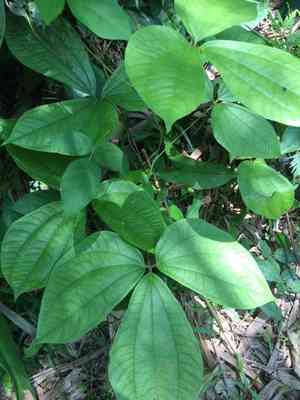
Intoxicating yam is a climbing plant characterized by substantial, carbohydrate-rich tubers, commonly encountered in tropical climates. For the propagation of intoxicating yam, employ the tubers by choosing robust segments, making sure each segment possesses a minimum of one sprout. Insert the tuber fragments into soil that drains effectively, preserving dampness while preventing excessive saturation. Due to the plant's poisonous characteristics, manage it with caution to avert dermal discomfort. Consistently observe its development and furnish climbing aids as intoxicating yam ascends.
Optimal Time for Intoxicating Yam Propagation
Propagation Type
UtilizeTubers
Propagation Season
Spring
Tools for Intoxicating Yam Propagation
Clean, Sharp Knife or Pruning Shears
For dividing tubers into sections, each with at least one growth point. A precise cut prevents infections and promotes robust tuber development.
Sterilizing Solution
Used to sanitize tools before and after cuts. This prevents the spread of diseases and pathogens that could harm intoxicating yam's tubers.
Rooting Hormone
Applied to cut surfaces to encourage root formation and improve the success rate of tuber propagation. This is especially crucial for intoxicating yam, as rooting can be challenging.
Plant Pots or Trays
For planting the divided tuber sections. Their size and depth should accommodate the tuber pieces and allow for proper root growth.
Quality Potting Mix
Formulated specifically for tubers, this mix ensures adequate drainage and nutrient availability, vital for intoxicating yam's initial growth stages.
Propagation Mat or Heating Mat
Provides consistent warmth to the soil, which can accelerate root development in intoxicating yam. Tubers often require stable, warm conditions to sprout effectively.
Labeling Stakes or Markers
For tracking different tuber sections and their growth progress. Accurate labeling helps monitor success rates and identify any issues with specific tuber sections.
Watering Can with Fine Rose
Ensures even and gentle watering without disturbing the soil or damaging the tuber sections. Consistent moisture levels are key for healthy growth.
Shade Cloth or Greenhouse
Provides a controlled environment with filtered light, reducing stress on the tubers and promoting steady growth. This is beneficial for intoxicating yam which may need protection from direct sunlight and extreme weather.
How to Propagate Intoxicating Yam?
Propagation Type
Simple
Caring for Your Newly Propagated Intoxicating Yam
Caring for Your Newly Propagated Intoxicating Yam?
Once intoxicating yam plants have sprouted and established, gradually expose them to more sunlight. Water regularly to keep the soil moist but avoid waterlogging. Apply a balanced, slow-release fertilizer every 4-6 weeks to support healthy growth. As vines grow, provide support structures for climbing. Monitor for pests or diseases and take appropriate action as needed to ensure the healthier growth of intoxicating yam.
Common Mistakes to Avoid When Propagating Intoxicating Yam
Using exhausted tubers
Employing old or depleted tubers can result in poor germination and weak plants due to limited energy reserves.
Incorrect planting depth
Planting tubers too deep or too shallow can hinder the sprouting process, leading to poor or delayed growth.
Watering issues
Excessive watering can cause tuber rot, while insufficient watering can lead to dehydration and failure to establish.
Poor soil conditions
Using soil that is too heavy or poorly drained can suffocate tubers and impede proper growth.
Ignoring pest control
Failing to protect tubers and seedlings from pests can lead to significant damage and hinder propagation.
Tips For Propagating Intoxicating Yam
Select healthy tubers
Choose only healthy, plump tubers with no signs of disease or damage to ensure strong, vigorous growth.
Proper planting depth
Plant tubers at a depth of about 2-3 inches to ensure optimal sprouting and root development.
Well-draining soil
Use a light, well-draining soil mix to prevent waterlogging and promote healthy tuber and root growth.
Consistent watering
Maintain a consistent watering schedule to keep the soil moist but not waterlogged, supporting steady growth.
Pest protection
Implement pest control measures such as using barriers or applying organic pesticides to protect the young plants from damage.



