How to Transplant Palmer's spectaclepod?
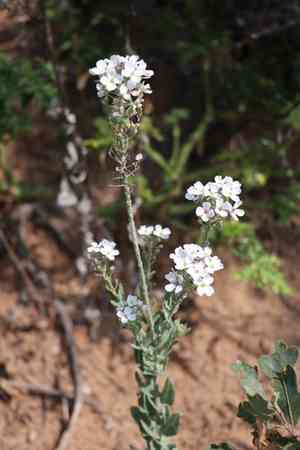
The ideal period for relocating palmer's spectaclepod spans from the beginning to the end of spring, which guarantees peak development. Select a bright spot featuring soil that drains effectively. Steer clear of overly wet zones to avert root decay. Confirm ample air movement around the specimen for superior outcomes.
What Preparations are Needed Before Transplanting Palmer's Spectaclepod?
What is the Ideal Time for Transplanting Palmer's Spectaclepod?
The best time to move palmer's spectaclepod is from early spring through late spring. This period is beneficial because of favorable ground temperatures and increased daylight, which promote strong root growth and efficient nutrient absorption. Furthermore, transplanting at this time minimizes the risk of frost damage, helping palmer's spectaclepod establish successfully in its new spot.
How Much Space Should You Leave Between Palmer's Spectaclepod Plants?
When relocating palmer's spectaclepod, ensure each plant is positioned 12-18 inches (30-45 cm) apart. This provides ample room for growth and flourishing, preventing overcrowding. Remember, proper spacing helps prevent competition for nutrients and sunlight.
What is the Best Soil Mix for Palmer's Spectaclepod Transplanting?
For palmer's spectaclepod, opt for soil that drains effectively. A blend of garden soil and compost works well. You can also incorporate a foundational fertilizer suitable for flowering and vegetable plants to give them a strong start. Check your soil's pH, aiming for a slightly acidic to neutral range (pH 6.0-7.5).
Where Should You Relocate Your Palmer's Spectaclepod?
Select a bright location for transplanting palmer's spectaclepod. These plants thrive in full sun, requiring at least 6-8 hours of direct sunlight daily. Confirm that the chosen site is not shaded by trees or structures during peak sunlight hours.
What Equipments Should You Prepare Before Transplantation Palmer's Spectaclepod?
Gardening Gloves
To safeguard your hands while handling soil and plants.
Trowel
For digging small holes and moving the plant.
Shovel or Spade
To excavate a larger hole and facilitate an easier plant transfer.
Watering Can or Hose
To hydrate the plant before and after its relocation.
Wheelbarrow
To move the plant if necessary.
Mulch
To help retain soil moisture after transplanting.
How Do You Remove Palmer's Spectaclepod from the Soil?
How Do You Remove Palmer's Spectaclepod from the Soil?
From Ground: First, moisten the palmer's spectaclepod plant to dampen the soil. Next, dig a wide trench around the plant using a shovel or spade, ensuring the plant's root ball remains intact. Carefully work the spade beneath the root ball to lift the plant from its original spot.From Pot: Water the palmer's spectaclepod plant thoroughly to make the root ball easier to extract. Gently turn the pot on its side and tap the sides and bottom to loosen the soil and roots. Carefully slide the plant out, supporting the root ball to prevent damage.From Seedling Tray: Water the seedlings to facilitate their removal. Use a trowel or your fingers to gently lift each seedling, ensuring the roots are not harmed. Hold the seedlings by their leaves, not the stem, to avoid damage.
Step-by-Step Guide for Transplanting Palmer's Spectaclepod
Prepare the Hole
Dig a hole in the new spot that is twice as wide and the same depth as the root ball of your palmer's spectaclepod. This ensures the roots have soft soil to expand into.
Add Soil Amendments
Incorporate any necessary soil enrichments into the soil at the bottom of the hole to improve its quality.
Transplant the Plant
Gently place the palmer's spectaclepod into the hole, making sure it sits at the same depth as it was in its previous location. Backfill the hole with soil, gently firming it with your hands to remove air pockets.
Water Thoroughly
Give the palmer's spectaclepod a good watering to settle the soil around the roots and help the plant recover from the transplanting process.
Add Mulch
Apply a layer of mulch around the base of the plant to help maintain soil moisture and reduce weed growth.
How Do You Care For Palmer's Spectaclepod After Transplanting?
Watering
Keep the soil around the palmer's spectaclepod consistently moist, but not waterlogged, for the initial weeks after transplanting to aid in developing strong roots.
Monitoring
Look for indications of transplant shock, such as wilting or yellowing leaves, and continue to provide consistent moisture.
Fertilizing
Wait a few weeks before applying any fertilizer, allowing the plant time to adjust to its new environment first.
Weed Control
Regularly check for and remove any competing weeds around the plant that might deprive it of nutrients or water.
Troubleshooting Common Issues with Palmer's Spectaclepod Transplantation.
When is the optimal time to transplant palmer's spectaclepod?
Early spring to late spring is ideal for relocating palmer's spectaclepod.
What is the best spacing for transplanting palmer's spectaclepod?
Space the plants 12-18 inches (30-45 cm) apart to ensure healthy development.
How should I prepare the soil for transplanting palmer's spectaclepod?
Ensure well-draining soil by mixing in compost to enrich nutrients and improve texture.
What should be the depth of planting palmer's spectaclepod?
Plant palmer's spectaclepod at the same depth it was in the seedling container.
How should I water palmer's spectaclepod after transplanting?
Water immediately after transplanting and keep the soil consistently moist for the first few weeks.
What should I do if palmer's spectaclepod appears wilted after transplanting?
Reduce transplant shock by providing shade and additional water, and initially avoid direct sunlight.
How can I prevent root damage during transplanting palmer's spectaclepod?
Handle the roots gently and ensure they remain hydrated throughout the transplant process.
What type of fertilizer should I use for palmer's spectaclepod?
Use a balanced, slow-release fertilizer to support root establishment and vigorous growth.
Is mulching beneficial for palmer's spectaclepod after transplanting?
Yes, apply mulch to retain soil moisture and regulate temperature around the root zone.
How can I ensure palmer's spectaclepod adapts well to its new location?
Choose a sunny spot with well-draining soil and avoid areas prone to drafts or extreme weather.



