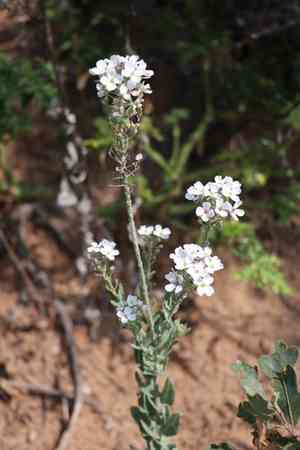
Palmer's spectaclepod (Dimorphocarpa candicans)
Also known as: Spectacle pod
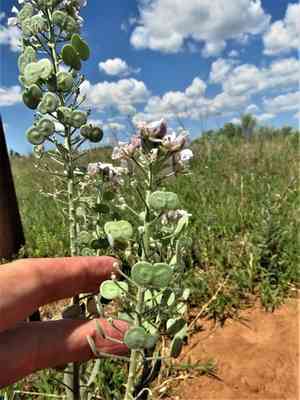
Palmer's spectaclepod thrives in arid regions, particularly in sandy or rocky soils. It often grows along roadsides and in dunes. This herb, which can be biennial or annual, typically blooms during the spring and summer. Its distinctive circular, flat seed pods, which resemble spectacles, are likely the inspiration for its name.
In This Article
Attributes of Palmer's spectaclepod
Lifespan
Annual, Biennial
Plant Type
Herb
Plant Height
20-60 cm
Spread
10-40 cm
Leaf Color
Whitish-to-pale green
Flower Size
1-2 cm
Flower Color
White or purple
Images of Palmer's spectaclepod
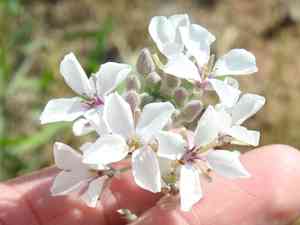
Quickly Identify Palmer's spectaclepod
1
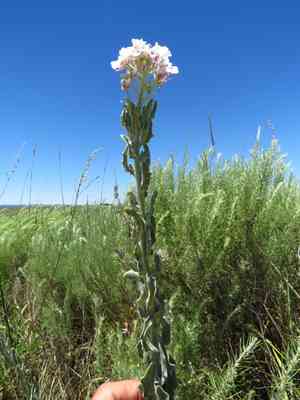
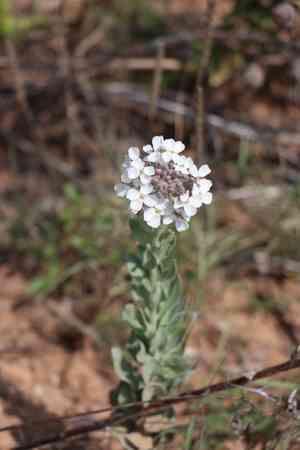
The plant can be identified by its unique seed pods that are two-lobed and resemble spectacles. It has whitish-to-pale green leaves and produces small, white or purple flowers. The leaves are deeply lobed, and the plant usually forms a rosette at the base.
Scientific Classification of Palmer's spectaclepod
Phylum
Vascular plants
Class
Dicotyledons
Order
Brassicales
Family
Cruciferae
Genus
Spectaclepod
Species
Palmer's spectaclepod
Planting and Growing of Palmer's spectaclepod
Care Difficulty
Easy
Watering Schedule
Every 2 days
Sunlight Requirements
Full sun
Sunshine Duration
6-10 hours
Ideal Temperature
65-75℉
Soil Type
Potting Mix, Peat Mix
Soil pH
6-7.5
Fertilizer Type
Balanced
Pruning Season
Spring, Summer
Pruning Area
Branches, Leaves
Pruning Frequency
2 times a year
Repotting Season
Spring
Pot Type
Plastic, Ceramic
 How to Water Palmer's spectaclepod?
Dimorphocarpa candicans prefers moderate watering. Ensure the soil is evenly moist but not waterlogged. Water until it begins to drain from the bottom, usually about 250 milliliters, ensuring the soil remains airy and well-drained.
What are the symptoms of an underwatered Palmer's spectaclepod?
›
What should I do if my Palmer's spectaclepod is not getting enough water?
›
What are the symptoms of an overwatered Palmer's spectaclepod?
›
How to save an overwatered Palmer's spectaclepod?
›
 What Are the Sunlight Requirements for Palmer's spectaclepod?
Dimorphocarpa candicans benefits from full to partial sun exposure, ideally 6 to 8 hours daily. Proper lighting enhances photosynthesis, supporting lush growth and vibrant blooms while maintaining plant resilience and overall health, significantly reducing pest and disease risks.
What is the ideal lighting condition for Dimorphocarpa candicans?
›
How can I achieve ideal lighting for my plant?
›
What benefits does ideal lighting provide?
›
 What Is the Ideal Temperature Range for Palmer's spectaclepod?
The ideal temperature range for growing Dimorphocarpa candicans is between 65°F and 75°F. This range ensures optimal growth and health, as it closely mimics the plant's natural environment. Maintaining this temperature range facilitates proper cellular functions and metabolic activities within the plant.
 What Soil is Best for Palmer's spectaclepod?
Dimorphocarpa candicans thrives in soils with excellent drainage. This helps in preventing water accumulation, which can lead to root rot. Achieving such conditions ensures robust growth and healthy foliage. Although well-draining, the soil should retain enough nutrients. Mixing some organic matter can improve nutrient retention, providing a balanced food supply for energy and growth. This plant prefers soils that are not too rich in nutrients. Moderate fertility will mitigate excessive vegetation growth, ensuring more balanced development of flowers and seeds.
 How to Fertilize Palmer's spectaclepod?
For Dimorphocarpa candicans, a balanced approach to fertilization is key. Apply liquid fertilizer sparingly, with about 1 teaspoon per gallon of water. This ensures that your plant receives just the right boost without overwhelming its delicate system. For solid fertilizers, such as slow-release granules, use around 1 tablespoon per plant, distributed evenly over the soil surface. Adjust based on plant size and growth feedback.
 How to Prune Palmer's spectaclepod?
Be cautious not to remove more than one-third of the plant at once. Over-pruning can stress the plant, leading to reduced flowering and a decrease in robustness. After pruning, monitor the plant for any signs of pest infestation, as open cuts can be susceptible. Applying a mild pesticide or organic remedy can prevent infestations.
More About Pruning Techniques→
 How to Propagate Palmer's spectaclepod plant?
1
Fill the seed tray with a layer of potting soil, ensuring that it is evenly spread and lightly compacted to eliminate air pockets, which could hinder root development.
2
Sprinkle the Dimorphocarpa candicans seeds evenly across the surface of the soil, then lightly cover them with a thin layer of soil or sand to help anchor them and encourage germination.
3
Water the seeds gently but thoroughly using a fine spray to avoid washing them away. Place the tray in a location with indirect sunlight and stable temperatures to aid germination.
 How to Repot Palmer's spectaclepod plant?
1
Dimorphocarpa candicans needs repotting when you observe roots growing through the drainage holes, or if the plant begins to show signs of wilting despite proper watering. These signs indicate that the plant has outgrown its current pot and needs more space to thrive. Repotting in spring or summer is ideal as the plant is in its active growth phase, helping it adapt better to the change.
2
Select a pot that is one size larger, ideally 2-3 inches in diameter larger than the current one. This size is adequate to provide room for new root growth without overwhelming the plant with excess soil, which can retain water and lead to root rot. Ensure good drainage with sufficient holes at the bottom; a terracotta pot is often a great choice for its breathability.
3
For Dimorphocarpa candicans, choose a well-draining sandy soil mix. This type of soil prevents waterlogging and ensures the roots remain healthy and aerated. A mixture of sandy soil, regular potting mix, and a bit of perlite or pumice works best, optimizing moisture retention while allowing excess water to drain efficiently.
Toxicity
ingestion
WARNING
The judgment on toxicity and danger is for reference only. We DO NOT GUARANTEE any accuracy of such judgment. Therefore, you SHALL NOT rely on such judgment. It is IMPORTANT TO SEEK PROFESSIONAL ADVICE in advance when necessary.
Learn More About Palmer's spectaclepod Diseases
Anthracnose
Bacterial Leaf Spot
Bacterial Soft Rot
Bacterial Wilt
Black Spot
Chemical Injury
Crown Gall
Cyst Nematode
Damping-off
Downy Mildew
Drought Stress
Fusarium Wilt
Gray Mold
Leaf Curl
Leaf Spot
Mosaic
Nutrient Deficiency
Nutrient Toxicity
Powdery Mildew
Root Rot
Root-knot Nematode
Rusts
Sooty Mold
Spider Mites
Temperature Stress
Thrips Damage
White Mold



