How to Propagate Palmer's spectaclepod?
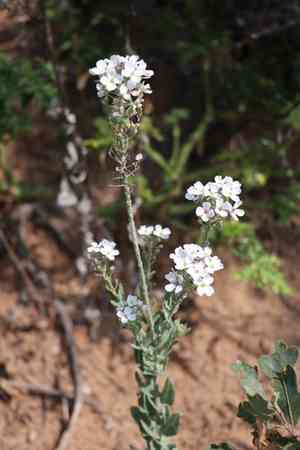
Palmer's spectaclepod originates from dry environments. It flourishes in porous soil and ample sunlight. To achieve successful propagation, utilize new seeds and plant them directly into the ground. Maintain adequate dampness until sprouting occurs. After it has taken root, palmer's spectaclepod needs infrequent watering. Gently move young plants to prevent damage to their roots, and position them with sufficient room for development. Recognizing its natural desert habitat aids in replicating its perfect growing conditions.
What Is the Best Time To Propagate Palmer's Spectaclepod?
Propagation Type
Seeding
Propagation Season
Spring
What Tools Are Used in Palmer's Spectaclepod Propagation?
Seed trays
Seed trays are shallow containers with small compartments for starting seeds. They are vital for the initial propagation phase of palmer's spectaclepod, allowing individual seed placement. This setup optimizes air circulation and minimizes fungal infection risk, important due to palmer's spectaclepod's early growth sensitivity.
Peat pots
Peat pots offer a biodegradable container that can be directly planted into the soil once palmer's spectaclepod seedlings are ready for transplant. This method lessens root disturbance, a common problem that can significantly affect palmer's spectaclepod's survival rate. Peat pot composition also promotes healthy root growth through good drainage and aeration.
Fine mist spray bottle
A mist spray bottle is crucial for gently watering palmer's spectaclepod seeds and seedlings. Overwatering is a significant risk when sowing small seeds like palmer's spectaclepod, and a mist spray provides needed moisture without dislodging seeds, encouraging even germination and reducing the chance of washing away delicate seedlings.
Horticultural perlite
Adding perlite to the sowing medium helps improve soil structure, ensuring better drainage and aeration. Good drainage is especially important for palmer's spectaclepod as it prevents excess moisture around roots, reducing the risk of root rot and other water-related diseases.
Label and marker
Using labels with a permanent marker to identify each palmer's spectaclepod variety during sowing ensures accurate identification and growth tracking. Proper labeling is essential for maintaining records needed for future planting strategies and understanding growth patterns in various environmental conditions.
How to Propagate Palmer's Spectaclepod?
Propagation Type
Simple
How to Care for Your Newly Propagated Palmer's Spectaclepod?
How to Care for Your Newly Propagated Palmer's Spectaclepod?
After germination, gradually introduce palmer's spectaclepod seedlings to standard garden conditions by removing the plastic cover and exposing them to air circulation. Once true leaves develop, transplant them into individual pots with well-draining soil. Place pots in a sunny spot, and water regularly, allowing the soil to dry between waterings to prevent root rot. Protect from extreme temperatures and pests, ensuring adequate space for healthy plant development.
Common Mistakes to Avoid When Propagating Palmer's Spectaclepod
Overwatering
Excessive watering is a frequent issue when propagating palmer's spectaclepod. This can lead to root rot, which compromises the root system, resulting in poor growth or plant death.
Too much sunlight
Exposing palmer's spectaclepod to excessive direct sunlight during initial propagation stages can cause stress and leaf burn, reducing the plant's ability to photosynthesize efficiently and grow.
Using inappropriate soil mix
Employing an unsuitable soil mix that doesn't drain well or retain necessary moisture can lead to poor root development and aeration, hindering the plant's overall health and growth.
Tips For Propagating Palmer's Spectaclepod
Appropriate watering
Maintain a balanced watering schedule for palmer's spectaclepod. Ensure the soil is moist but not waterlogged to support healthy root growth without causing root rot.
Moderate sunlight
Provide palmer's spectaclepod with moderate amounts of sunlight, especially indirect light, to encourage growth without causing leaf burn or heat stress.
Suitable soil mix
Use a well-draining soil mix that retains sufficient moisture. This will help ensure air and nutrients are available to the roots, promoting healthier growth and successful propagation.



