How to Transplant Oakwoods ponysfoot?
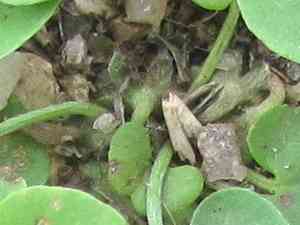
Oakwoods ponysfoot thrives when relocated between early and mid-spring, and again from late autumn to early winter. Choose a site with good drainage and partial shade to foster robust development. Consistent watering after transplanting is advisable for successful integration.
Essential Preparations Before Relocating Oakwoods Ponysfoot?
Optimal Period for Relocating Oakwoods Ponysfoot?
The best time to move oakwoods ponysfoot is from early to late spring or late autumn to early winter. These periods offer mild temperatures and adequate rainfall, promoting root development and minimizing transplant shock. Relocating during these seasons ensures oakwoods ponysfoot establishes well before summer's extreme heat or winter's deep cold.
Recommended Spacing Between Oakwoods Ponysfoot Specimens?
When planning to relocate oakwoods ponysfoot, a good guideline is to position each plant approximately 6-12 inches (15-30 cm) apart. This provides ample room for growth and air circulation, helping to prevent overcrowding and reduce disease risk.
Ideal Soil Mixture for Oakwoods Ponysfoot Relocation?
For oakwoods ponysfoot, it's best to use well-draining soil rich in organic matter. Before relocating, amend the soil by incorporating some compost or a balanced base fertilizer, such as a 10-10-10 (NPK), to supply long-term nutrients.
Where Should You Replant Your Oakwoods Ponysfoot?
Oakwoods ponysfoot thrives best in a spot where it can receive partial to full sun, ideally in an area that gets at least 4-6 hours of daily sunlight. Select a location that meets these light requirements to ensure vigorous growth.
Equipment Needed Before Relocating Oakwoods Ponysfoot?
Gardening Gloves
To safeguard your hands while handling soil and plants.
Shovel or Spade
For excavating a trench around the plant and preparing the new planting hole.
Trowel
To assist in carefully lifting the plant and its root system.
Watering Can or Hose
For hydrating the plant before and after its move.
Mulch
To aid in retaining soil moisture and regulating temperature after relocation.
How to Extract Oakwoods Ponysfoot from the Ground?
How to Extract Oakwoods Ponysfoot from the Ground?
From Ground: First, hydrate the oakwoods ponysfoot plant to moisten the soil. Then, dig a wide trench around the plant using a shovel or spade, ensuring the plant's root ball remains intact. Carefully work the spade beneath the root ball to lift the plant from its original spot.From Pot: Thoroughly water the oakwoods ponysfoot plant. Gently tap the pot's sides and, if possible, run a trowel along the inner edge to loosen the soil. Tilt the pot and carefully slide the plant out, supporting the root ball as you do so.From Seedling Tray: Water the oakwoods ponysfoot seedlings well. Use a small trowel or your fingers to gently lift each seedling from the tray, ensuring the roots, along with some soil, remain intact.
Detailed Procedure for Relocating Oakwoods Ponysfoot
Site Preparation
Excavate a hole twice as wide and equally deep as the root ball of your oakwoods ponysfoot plant.
Plant Removal
Follow the appropriate method to extract the plant from its initial location, ensuring the root ball stays intact.
Planting the oakwoods ponysfoot
Position the oakwoods ponysfoot plant in the center of the hole and gently spread its roots. Ensure the top of the root ball is level with or slightly above the ground surface.
Backfilling
Refill the hole with soil, pressing gently to eliminate air pockets, but avoid compacting the soil too firmly.
Watering
Thoroughly water the plant after planting to help the soil settle around the roots.
Post-Relocation Care for Oakwoods Ponysfoot?
Watering
Keep the soil around the oakwoods ponysfoot consistently moist, but not waterlogged, for the initial few weeks after relocation to encourage strong root development.
Mulching
Apply a 2-3 inch layer of mulch around the base of the oakwoods ponysfoot to help retain moisture and stabilize soil temperature.
Protection
Shield the newly relocated oakwoods ponysfoot from harsh weather conditions and pests. Consider using row covers or cloches if necessary.
Observation
Monitor the plant for signs of distress, such as wilting or yellowing leaves, and adjust care practices as needed.
Resolving Common Issues with Oakwoods Ponysfoot Relocation.
When is the best time to relocate oakwoods ponysfoot?
Early to late spring, or late fall to early winter are ideal relocation periods.
How much space should I leave between relocated oakwoods ponysfoot plants?
Space each oakwoods ponysfoot plant 6-12 inches (15-30 cm) apart for optimal growth and health.
Is soil type important for relocating oakwoods ponysfoot?
Yes, oakwoods ponysfoot thrives best in well-drained soil with a slightly acidic to neutral pH.
Should I water oakwoods ponysfoot immediately after relocating?
Absolutely. Water oakwoods ponysfoot thoroughly after relocation to help establish roots in the new spot.
How do I prepare the soil before relocating oakwoods ponysfoot?
Loosen soil to about 12 inches (30 cm) depth and mix in organic compost for nutrient boost.
What should I do if relocated oakwoods ponysfoot looks wilted?
Ensure it has sufficient water and consider placing it in a shaded area temporarily.
Can oakwoods ponysfoot be relocated during hot weather?
It's not recommended. High temperatures can stress oakwoods ponysfoot. Opt for cooler periods like early spring or fall.
Do I need to prune oakwoods ponysfoot before or after relocating?
Pruning is not necessary but can help reduce transplant shock. Trim dead or damaged leaves.
How deep should I plant oakwoods ponysfoot in its new location?
Plant oakwoods ponysfoot at the same depth it was growing in its original location to avoid stress.
How long does oakwoods ponysfoot take to establish after relocating?
Oakwoods ponysfoot typically establishes in a few weeks to a couple of months with proper care and conditions.



