How to Propagate Oakwoods ponysfoot?
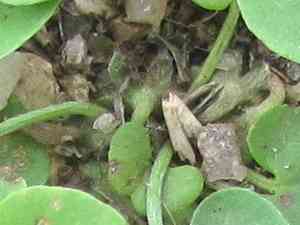
Oakwoods ponysfoot, recognized for its prostrate, spreading characteristics, flourishes in adequately drained ground. Reproducing from seeds is uncomplicated: disperse seeds in a propagation tray containing a humid, sandy base, ensuring light misting to keep the substrate moist yet not saturated. Sprouting may span several weeks, necessitating steady warmth. Periodically thin out young plants to avert congestion, fostering vigorous development. After the young plants are well-established, relocate them to their permanent spot, ideally in dappled light.
Optimal Period for Oakwoods Ponysfoot Propagation
Propagation Method
Seeding
Propagation Period
Spring
Equipment for Oakwoods Ponysfoot Propagation
Seed Trays
Seed trays offer a controlled setting for planting oakwoods ponysfoot seeds. They guarantee proper spacing and air circulation, vital for seed sprouting and initial development.
Humidity Domes
Humidity domes preserve moisture levels, crucial for the germination process of oakwoods ponysfoot seeds. They help establish a microenvironment that prevents seed drying.
Seed Starting Mix
A sterile, well-draining seed starting mix is essential for oakwoods ponysfoot. It encourages robust root growth and minimizes the risk of disease spread.
Misting Bottle
A misting bottle assists in keeping the soil surface damp without dislodging seeds. This gentle watering technique is vital for the delicate seedlings of oakwoods ponysfoot.
Heat Mat
Heat mats provide consistent warmth from below, critical for oakwoods ponysfoot's germination. They speed up the process by maintaining an ideal temperature range.
Labels
Labels are important for tracking various plantings. They help prevent confusion and ensure the caregiver provides appropriate attention for oakwoods ponysfoot.
Lights
Full-spectrum grow lights are necessary if natural light is insufficient. Sufficient illumination ensures strong, healthy development during the early stages of oakwoods ponysfoot.
How to Propagate Oakwoods Ponysfoot?
Propagation Type
Simple
Caring for Your Newly Propagated Oakwoods Ponysfoot
Caring for Your Newly Propagated Oakwoods Ponysfoot?
Post-germination, gradually expose seedlings to increased light. Once seedlings have developed a few true leaves, carefully transplant them to their permanent growing spot with well-draining soil and partial to full shade. Water young plants regularly to maintain soil moisture. Fertilize lightly with a balanced, water-soluble fertilizer to promote healthy growth. Monitor for pests and diseases, treating as needed. Ensure plants are not exposed to harsh conditions to establish a strong root system.
Common Errors to Avoid When Propagating Oakwoods Ponysfoot
Overwatering
Excessive watering can lead to root rot and fungal problems, which are harmful to the plant's health and propagation success.
Poor Soil Drainage
Using soil that retains too much water can suffocate the roots, resulting in poor plant development.
Inadequate Light
Providing insufficient light can lead to weak, elongated growth, making the plant vulnerable to diseases and pests.
Incorrect Cutting Methods
Taking improper cuttings can decrease the likelihood of successful rooting and cause plant stress or damage.
Neglecting Humidity
Failing to maintain adequate humidity levels can cause the cuttings to dry out, hindering root formation.
Advice for Propagating Oakwoods Ponysfoot
Utilize Well-Draining Soil
Ensure the soil mixture allows for proper drainage to prevent waterlogging and root decay.
Water Sparingly
Water only when the top layer of soil feels dry; avoid keeping the soil consistently wet.
Provide Sufficient Light
Position the plant in an area with bright, indirect light to encourage robust growth.
Take Healthy Cuttings
Use sharp, sterilized tools to take cuttings from a healthy parent plant, ensuring they have at least a couple of leaves attached.
Maintain Humidity
Cover the cuttings with a plastic dome or use a humidity tray to keep moisture levels high, crucial for rooting.



