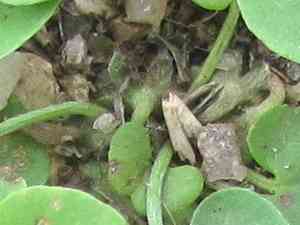
Oakwoods ponysfoot (Dichondra recurvata)
Oakwood's ponyfoot (Dichondra carolinensis) is cherished for its trailing growth and small, rounded leaves that create dense, ground-level mats. This perennial plant thrives in shaded areas, where its silvery-green foliage adds a touch of elegance, making it perfect for ground cover or decorative hanging baskets. It prefers moist, well-drained soil and demonstrates resilience, spreading to form lush, low carpets that enhance garden floors.
In This Article
Attributes of Oakwoods ponysfoot
Lifespan
Perennial
Plant Type
Herb
Plant Height
2-4 inches
Spread
Spreads indefinitely as it creeps along the ground
Leaf Color
Green
Flower Size
0.1-0.2 inches
Flower Color
White to light green
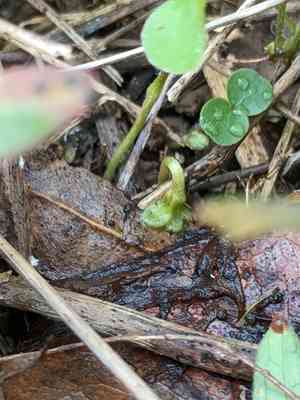
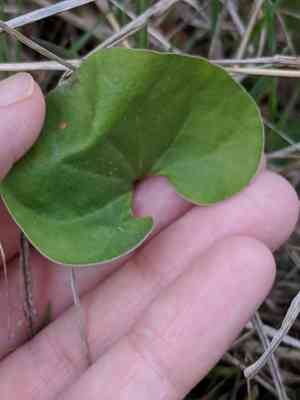
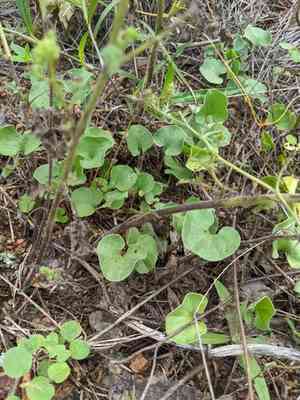
Images of Oakwoods ponysfoot
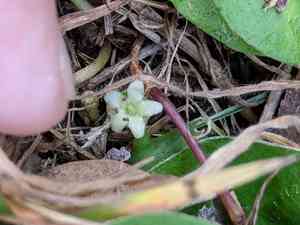
Quickly Identify Oakwoods ponysfoot
1
Dichondra recurvata can be identified by its small, kidney-shaped leaves that curl backwards, and its prostrate growth habit. The leaves are typically green and shiny.
Scientific Classification of Oakwoods ponysfoot
Phylum
Vascular plants
Class
Dicotyledons
Order
Solanales
Family
Morning-glory
Genus
Dichondra
Species
Oakwoods ponysfoot
Planting and Growing of Oakwoods ponysfoot
Care Difficulty
Easy
Watering Schedule
Every 2 days
Sunlight Requirements
Partial sun
Sunshine Duration
4-8 hours
Ideal Temperature
65-75℉
Soil Type
Potting Mix, Peat Mix
Soil pH
6.5-7.5
Fertilizer Type
Balanced
Pruning Season
Spring, Summer
Pruning Area
Branches, Leaves
Pruning Frequency
2 times a year
Repotting Season
Spring
Pot Type
Plastic, Terracotta
 How to Water Oakwoods ponysfoot?
For Dichondra recurvata, proper watering involves moistening the soil evenly until water starts to drain from the bottom of the pot, without leaving it waterlogged. The goal is to ensure the entire root system receives moisture without causing root rot.
What are the symptoms of an underwatered Oakwoods ponysfoot?
›
What should I do if my Oakwoods ponysfoot is not getting enough water?
›
What are the symptoms of an overwatered Oakwoods ponysfoot?
›
How to save an overwatered Oakwoods ponysfoot?
›
 What Are the Sunlight Requirements for Oakwoods ponysfoot?
Partial sun is ideal, ensuring that the plant receives enough filtered light for healthy photosynthesis, encouraging lush growth and reducing stress-related issues, offering an optimal growth environment.
What is the best light exposure for Dichondra recurvata?
›
How can I achieve ideal lighting for my plant?
›
What benefits result from ideal light conditions for Dichondra recurvata?
›
 What Is the Ideal Temperature Range for Oakwoods ponysfoot?
The ideal temperature range for Dichondra recurvata cultivation is between 65°F and 75°F. This range allows the plant to maintain optimal metabolism and physiological processes necessary for healthy growth and development. Within this range, the enzymatic activity and chlorophyll production are optimized, promoting lush foliage and vigorous growth. Maintaining this environment helps in preventing stress and potential diseases.
 What Soil is Best for Oakwoods ponysfoot?
Dichondra recurvata thrives in well-draining soil, preventing waterlogging that can lead to root rot. This soil type ensures adequate aeration and helps maintain optimal root health, which is crucial for nutrient absorption and overall plant vitality. A nutrient-rich soil is essential for Dichondra recurvata as it supports lush growth and vibrant foliage. The presence of organic matter enriches the soil with necessary nutrients, fostering a robust green cover and aiding the plant in resisting pests and diseases. Dichondra recurvata prefers a soil pH between 6.5 and 7.5, which optimizes nutrient availability. This pH range helps in the efficient uptake of essential nutrients, ensuring that the plant remains healthy and maintains its attractive foliage.
 How to Fertilize Oakwoods ponysfoot?
Fertilize Dichondra recurvata with a balanced liquid fertilizer, ensuring that the concentration is around ¼ strength of what is typically recommended. Avoid excess fertilizer as it may damage roots and foliage.
 How to Prune Oakwoods ponysfoot?
Use sharp, clean shears or scissors to ensure precise cuts and minimize damage to the plant. Clean tools help prevent disease spread. Focus on cutting back any overly long stems or branches. Cut close to the base or just above a leaf node, promoting bushier growth. Begin by removing dead or damaged leaves. Then target areas that appear overcrowded to increase light and air penetration to the lower parts of the plant.
More About Pruning Techniques→
 How to Propagate Oakwoods ponysfoot plant?
1
Select healthy stems that are free of disease and cut them at a length of 4-6 inches. Remove the leaves from the lower half of the cutting to help reduce transpiration and energy use.
2
Insert the cuttings into a well-draining potting mix, ensuring that the nodes from which leaves were removed are below the soil surface. Water thoroughly after planting.
3
Carefully dig up the plant, being mindful of the root system. Use a clean knife or pruners to divide the plant into sections, each with some roots attached, and replant immediately.
 How to Repot Oakwoods ponysfoot plant?
1
Watch for roots growing out of the drainage holes or when growth significantly slows. These are signs that it's time to move your Dichondra recurvata to a larger pot. Repotting should ideally occur in either spring or early summer when the plant is actively growing and can recover well from the move.
2
Select a pot that is one size larger than the current one, providing ample space for root growth. Ensure it has good drainage holes to prevent waterlogging. A pot with a slightly wider base offers better stability, which is beneficial for larger, matured plants.
3
Opt for a well-draining potting mixture. This ensures that water does not linger long near the roots, which could cause rot. A balance of garden soil, perlite, and peat moss is ideal, providing necessary nutrients while maintaining adequate drainage conditions.
Learn More About Oakwoods ponysfoot Diseases
Anthracnose
Bacterial Leaf Spot
Bacterial Soft Rot
Chemical Injury
Damping-off
Downy Mildew
Drought Stress
Fusarium Wilt
Gray Mold
Leaf Spot
Mosaic
Nutrient Deficiency
Nutrient Toxicity
Powdery Mildew
Root Rot
Root-knot Nematode
Rusts
Sooty Mold
Spider Mites
Temperature Stress
Thrips Damage
White Mold



