How to Transplant Carolina ponyfoot?
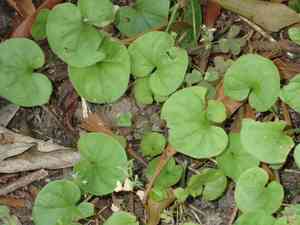
Select a gradual shift, like mid-spring, for relocating carolina ponyfoot, facilitating more robust root development in temperate environments. Pick locations offering partial shade or filtered sun. Bear in mind, carolina ponyfoot flourishes in soil that drains effectively, so provide your verdant treasure with a favorable new abode thoughtfully.
Essential Preparations Before Relocating Carolina Ponyfoot
Optimal Timing for Carolina Ponyfoot Relocation?
The best time to move carolina ponyfoot is during the peak of spring. This revitalizing season offers mild temperatures and consistent moisture, creating perfect conditions for root development, giving carolina ponyfoot a strong start in its new spot. Selecting this period ensures carolina ponyfoot benefits from ideal growth circumstances, boosting its capacity to thrive and adapt to the new environment with increased resilience.
Recommended Spacing Between Carolina Ponyfoot Plants?
Let's get ready for carolina ponyfoot relocation! Aim to position them approximately 0.5-1 foot (15-30 cm) apart. This spacing allows each plant ample room to flourish without competing for resources. Happy planting!
Ideal Soil Blend for Carolina Ponyfoot Relocation?
Well-drained soil is crucial for moving your carolina ponyfoot. Amend the soil with a basic fertilizer such as compost or aged manure. This will aid your plant in developing robustly, fostering healthier root growth.
Choosing a New Location for Your Carolina Ponyfoot?
Ready to select a site for your carolina ponyfoot? These plants enjoy sunlight but can also tolerate partial shade. Place them in an area where they receive morning sun and afternoon shade for optimal results. Enjoy the process!
Equipment Needed for Carolina Ponyfoot Transplantation
Gardening Gloves
To keep your hands clean and protected from scrapes when working with soil and the plant.
Shovel or Spade
For carefully extracting the plant from its original spot without harming the root ball. Also used to dig the new planting hole.
Garden Pruners
Useful for trimming any dead or excessively long roots during the transplanting process.
Wheelbarrow
Perfect for moving the plant from its initial location to the new planting site.
Garden Hose or Watering Can
To hydrate the carolina ponyfoot before and after its relocation.
Method for Extracting Carolina Ponyfoot from the Ground
Method for Extracting Carolina Ponyfoot from the Ground?
From Ground: Start by thoroughly watering the carolina ponyfoot plant several hours before the transplant to moisten the soil. Using a shovel or spade, dig a wide circular trench around the plant, being careful not to damage the root ball. Apply gentle horizontal pressure with the spade beneath the root ball, slowly lifting the plant from its position.From a Pot: Begin by watering the potted carolina ponyfoot to help loosen the soil. Hold the plant's base and invert the pot. The plant should slide out easily; if not, tap gently until it does. Avoid pulling the plant out as this could harm the root ball.From a Seedling Tray: Gently push up on the bottom of the tray cell while holding the carolina ponyfoot at the base of its stem to lift it out. If the seedling resists, use a butter knife or small spade to loosen the soil around the edges before removal.
Step-by-Step Guide for Relocating Carolina Ponyfoot
Preparations
Ensure all your tools are readily available. Identify the new planting site, which has been prepared according to light and soil requirements. Put on your gardening gloves.
Digging
Use your shovel to excavate a hole in the new location. The hole should be twice as wide and as deep as the carolina ponyfoot's root ball.
Placing the Plant
Gently position the carolina ponyfoot in the hole, ensuring the top of the root ball is level with the surrounding soil surface.
Backfilling
Carefully refill the hole with the excavated soil, gently firming it around the plant's base. Be sure not to plant carolina ponyfoot too deeply to prevent rot.
Watering
Use your hose or watering can to thoroughly water the carolina ponyfoot. This will help settle the soil around the root ball and eliminate any air pockets.
Post-Transplantation Care for Carolina Ponyfoot
Watering Frequency
Water the carolina ponyfoot thoroughly immediately after transplanting and maintain consistent soil moisture for the initial few weeks. This will aid the plant in establishing new roots.
Pruning
After one to two weeks, trim back any elongated or wilting leaves to help the plant direct its energy towards root development. However, avoid excessive pruning as carolina ponyfoot still requires its leaves for photosynthesis.
Protection
Shield the carolina ponyfoot from harsh conditions such as strong winds, heavy rainfall, or extreme temperatures during the first few weeks post-transplant. Utilizing a gardening shade cloth or temporary cover can be beneficial. Transplant shock is normal, so do not be alarmed if the plant appears to wilt immediately after being moved. It should recover within a few days with proper care.
Resolving Common Issues with Carolina Ponyfoot Transplantation.
When is the best time to move carolina ponyfoot?
The ideal season for relocating carolina ponyfoot is the S2 season. It provides the most favorable environment for root establishment and growth.
What is the optimal spacing for carolina ponyfoot when transplanting?
Ensure to space carolina ponyfoot approximately 0.5-1 foot (15-30 cm) apart. This guarantees each plant has sufficient room for optimal development.
What type of soil is best for relocating carolina ponyfoot?
Carolina ponyfoot thrives in well-draining soil. This promotes healthy roots, prevents over-watering, and encourages successful transplantation.
How deep should I plant carolina ponyfoot during the relocation process?
When transplanting, carolina ponyfoot should be planted at the same soil depth as their previous location. This helps keep the root protected and adequately hydrated.
How should I prepare the new site for carolina ponyfoot?
Clear the transplant area of any weeds or large rocks, then dig holes slightly larger than the root ball of carolina ponyfoot. This provides ample space for growth.
After transplanting, how often should I water carolina ponyfoot?
Immediately after transplanting, water carolina ponyfoot thoroughly. Afterward, keep the soil consistently moist, but avoid over-watering. Too much water can lead to root rot.
Should I add anything to the soil when relocating carolina ponyfoot?
Adding a slow-release fertilizer to the planting hole can help carolina ponyfoot establish quickly and grow more vigorously after transplanting.
What is the best pot size for transplanting carolina ponyfoot?
Choose a pot at least twice the size of carolina ponyfoot's root ball to ensure ample room for growth after transplanting.
What should I do if carolina ponyfoot shows signs of wilting after transplanting?
If carolina ponyfoot wilts after transplanting, it might be a watering issue. Evaluate the soil and adjust your watering routine accordingly. If the problem persists, seek expert advice.
How should I handle the roots when transplanting carolina ponyfoot?
Handle carolina ponyfoot's roots gently during transplantation. Damaging the roots can impair the plant's ability to absorb water and nutrients, leading to transplant shock.



