How to Propagate Carolina ponyfoot?
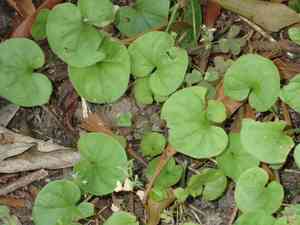
Carolina ponyfoot mainly reproduces via seeding, with the most favorable period being the Spring. This propagation method can present a moderate level of difficulty, and the development of robust roots signifies successful establishment. For optimal outcomes, guarantee a well-draining substrate and steady hydration.
What Is the Best Time To Propagate Carolina Ponyfoot?
Propagation Type
Sowing
Propagation Season
Spring
What Tools Are Used in Carolina Ponyfoot Propagation?
Seed trays with a humidity dome
Seed trays offer an organized, effective method to start carolina ponyfoot from seeds. A humidity dome helps maintain consistent moisture and humidity, vital for germination. This setup reduces water evaporation, providing a stable environment that boosts the seed's ability to sprout successfully.
Fine, sterile seed starting mix
This specialized potting medium is designed to promote superior seed germination by ensuring good soil aeration and drainage while retaining adequate moisture. Using a sterile mix helps prevent the introduction of pathogens that could harm vulnerable seedlings of carolina ponyfoot. Its fine texture is ideal for the small size of carolina ponyfoot's seeds, allowing them to make contact with the soil, which is essential for germination.
Heat mat for seed trays
Because carolina ponyfoot benefits from a warm germination environment, a heat mat is crucial. It helps maintain a consistent soil temperature, which can be critical during cooler months or in cooler climates. This consistent warmth directly supports the germination rate and overall health of carolina ponyfoot's seedlings by mimicking the natural warm conditions they prefer.
Watering can with a fine rose
A gentle watering approach is needed to ensure that the tiny seeds of carolina ponyfoot are not washed away or buried too deeply under the soil, which can impede germination. A watering can with a fine rose distributes water evenly and gently, protecting the delicate seeds while ensuring they receive enough moisture to germinate.
Fine mist spray bottle
This tool is crucial for maintaining the moisture of the soil without causing disturbance to the seeds or seedlings of carolina ponyfoot. A fine mist is especially useful right after sowing the seeds, as heavy watering can displace the small seeds, impairing their ability to germinate properly.
How to Propagate Carolina Ponyfoot?
Propagation Type
Easy
How to Care for Your Newly Propagated Carolina Ponyfoot?
How to Care for Your Newly Propagated Carolina Ponyfoot?
Once carolina ponyfoot seeds have germinated and seedlings are established, gradually acclimate them to outdoor conditions if transplanting outside. Ensure they are planted in well-draining soil and in an area with part-to-full sunlight depending on your local climate. Adjust regular watering based on weather, with less frequent watering during cooler or rainy periods, and more during dry spells. Minimal fertilization is needed; a balanced, slow-release fertilizer can be applied in the early growing season.
Common Mistakes to Avoid When Propagating Carolina Ponyfoot
Overwatering cuttings
Excessive moisture can lead to root rot in carolina ponyfoot, where the cuttings are unable to establish healthy root systems, resulting in weakened plants or death.
Poor cutting selection
Using old or diseased portions of carolina ponyfoot for cuttings may hinder root development, leading to unsuccessful propagation or weakened plants.
Ignoring soil mixture
Utilizing an inappropriate soil mix can prevent adequate drainage and aeration, crucial for the roots of carolina ponyfoot to develop effectively, thereby affecting overall plant growth.
Tips For Propagating Carolina Ponyfoot
Using healthy parent plants
Selecting vigorous and disease-free parts of carolina ponyfoot ensures the cuttings have optimal growth potential, leading to more successful propagation.
Proper soil mix
Preparing a well-draining, nutrient-rich soil mix helps facilitate root growth and aeration, vital for the successful establishment of carolina ponyfoot.
Adequate moisture management
Maintaining a balance in soil moisture helps prevent root rot while providing enough hydration for carolina ponyfoot to establish. It's important to keep the soil consistently moist but not soggy.



