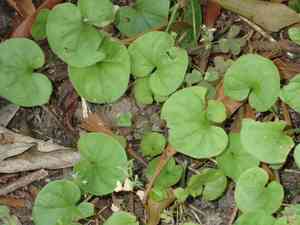
Carolina ponyfoot (Dichondra carolinensis)
Also known as: Grass ponyfoot
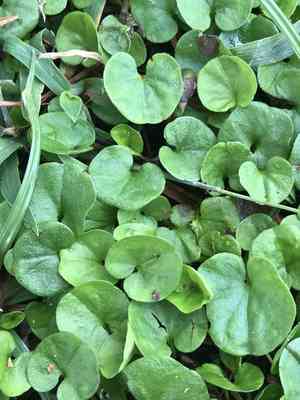
The Carolina ponyfoot, native to Bermuda and the Southeastern United States, features distinctive horseshoe-shaped leaves. This small herbaceous plant is ideal for water gardens, butterfly gardens, and habitat restoration projects near lakes or ponds.
In This Article
Attributes of Carolina ponyfoot
Lifespan
Perennial
Plant Type
Herb
Plant Height
2.5 cm to 5 cm
Spread
Spreads indefinitely as it is a ground cover
Leaf Color
Green Blue
Flower Size
Approximately 3-5 mm
Flower Color
White Green
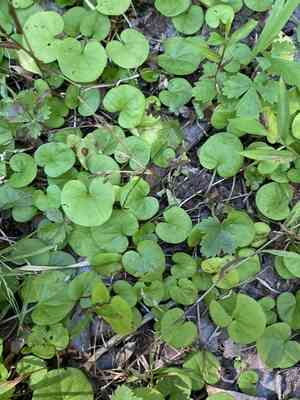
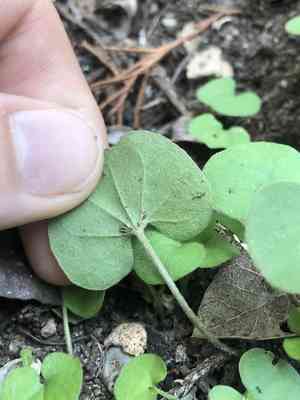
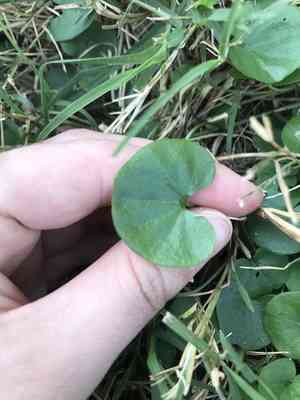
Images of Carolina ponyfoot
Quickly Identify Carolina ponyfoot
1
Identifiable by its kidney-shaped leaves which form a dense ground cover, along with small, inconspicuous green to yellowish flowers.
Scientific Classification of Carolina ponyfoot
Phylum
Vascular plants
Class
Dicotyledons
Order
Solanales
Family
Morning-glory
Genus
Dichondra
Species
Carolina ponyfoot
Planting and Growing of Carolina ponyfoot
Care Difficulty
Easy
Watering Schedule
Every 2 days
Sunlight Requirements
Partial sun
Sunshine Duration
4-8 hours
Ideal Temperature
65-75℉
Soil Type
Potting Mix, Peat Mix
Soil pH
6.5-7.5
Fertilizer Type
Balanced
Pruning Season
Spring, Summer
Pruning Area
Branches, Leaves
Pruning Frequency
2 times a year
Repotting Season
Spring
Pot Type
Plastic, Ceramic
 How to Water Carolina ponyfoot?
For Dichondra carolinensis, ensure the soil remains moderately moist. Water until you see a gentle runoff at the base, indicating the soil is evenly saturated. This typically equates to about 250 milliliters per application, allowing the water to seep down to the root level without pooling.
What are the symptoms of an underwatered Carolina ponyfoot?
›
What should I do if my Carolina ponyfoot is not getting enough water?
›
What are the symptoms of an overwatered Carolina ponyfoot?
›
How to save an overwatered Carolina ponyfoot?
›
 What Are the Sunlight Requirements for Carolina ponyfoot?
Partial sun exposure ensures the plant receives adequate light for growth while remaining protected from extreme temperatures. This helps maintain vivid green foliage and promotes sustained health and vigor, optimizing fuel for photosynthesis.
What is the optimal sunlight level for Dichondra carolinensis?
›
How to ensure Dichondra carolinensis gets ideal light?
›
What benefits arise from ideal lighting for Dichondra carolinensis?
›
 What Is the Ideal Temperature Range for Carolina ponyfoot?
Dichondra carolinensis thrives in an ideal temperature range between 65°F and 75°F. This range supports optimal growth and health, providing sufficient warmth while avoiding extremes that can stress the plant. The temperature range allows for healthy foliage development and encourages strong root systems, contributing to the plant's overall resilience.
 What Soil is Best for Carolina ponyfoot?
Dichondra carolinensis thrives in well-drained soil, which prevents waterlogging and root rot. Ensuring proper drainage supports healthy root development and overall plant vigor. A nutrient-rich soil enhances the thick, lush ground cover typically provided by Dichondra. This requirement ensures that the plant gets all necessary nutrients for vibrant foliage. While drought-tolerant, Dichondra carolinensis prefers consistently moist soil. This helps in maintaining its soft texture and supports healthy growth during dry periods.
 How to Fertilize Carolina ponyfoot?
For Dichondra carolinensis, a balanced fertilizer with equal parts nitrogen, phosphorus, and potassium is recommended. Use about 1/4 to 1/2 teaspoon of liquid fertilizer per gallon of water for liquid feeding. This should help the plant remain lush and healthy.
 How to Prune Carolina ponyfoot?
Focus on trimming any dead or damaged leaves first. Pull apart any tangled stems or dense growth that might restrict airflow, which can promote mold growth. Avoid cutting more than a third of the plant at any one time to minimize stress. To encourage a bushier growth habit, trim the ends of the stems. This encourages lateral growth and creates a fuller plant. Couple regular pruning with adequate sunlight and watering to sustain its vigor and lush appearance.
 How to Propagate Carolina ponyfoot plant?
1
Choose a robust, disease-free plant. Selecting a healthy parent ensures that the cuttings or divisions have the best chance of developing into vigorous new plants.
2
Take cuttings approximately 10-12 cm long. Remove lower leaves, leaving a few at the top. This minimizes water loss and encourages the cutting to focus on root development.
3
Dip the cut end in rooting hormone and plant in a pot filled with a well-draining potting mix. Keep the soil moist and place the pot in a warm location with indirect sunlight.
 How to Repot Carolina ponyfoot plant?
1
Repotting Dichondra carolinensis is best done when you notice that its growth appears stunted or when the roots start to emerge through the drainage holes. These signs indicate that the plant has outgrown its current container and needs more space to thrive.
2
Select a pot with drainage holes that is slightly larger than the current one. A pot that is too big will retain too much moisture, risking root rot, whereas a slightly larger pot allows for gradual expansion, giving roots ample space to spread without overwhelming the plant.
3
Opt for a well-draining loamy mix for repotting Dichondra carolinensis. This type of soil ensures proper drainage while retaining enough moisture for the plant's root system, promoting a healthy balance of hydration and aeration.



