How to Transplant Twining snakelily?
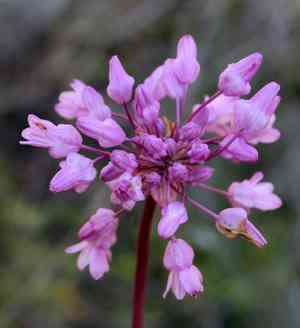
Relocate twining snakelily during the period when the garden experiences pleasant warmth, generally from the conclusion of late spring into the beginning of early summer, to guarantee vigorous development. Select locations that receive filtered morning sunlight and possess well-draining soil. If you lack specific transplanting advice, rely on natural processes.
What Preparations are Needed Before Transplanting Twining Snakelily?
What is the Ideal Time for Transplanting Twining Snakelily?
The best time to move twining snakelily is from the end of spring to the beginning of summer. This period offers consistent, mild temperatures, which are perfect for root development without the strain of extreme heat. Relocating twining snakelily during this gentle season allows it to adjust to its new spot with minimal stress, setting the stage for strong growth and abundant flowers. Ensuring twining snakelily is moved at this point greatly improves its chances for a successful transition, using the season's moderate climate to aid recovery and new development.
How Much Space Should You Leave Between Twining Snakelily Plants?
When relocating twining snakelily, remember to provide each plant ample room to thrive. Aim to space them roughly 4-6 inches (10-15 cm) apart. This will help your twining snakelily grow robustly without excessive competition for nutrients and sunlight.
What is the Best Soil Mix for Twining Snakelily Transplanting?
For twining snakelily, soil that drains well is crucial for healthy roots. Incorporate some compost or a balanced, slow-release fertilizer to give your twining snakelily a nourishing start. Select a soil that holds moisture but allows excess water to drain away.
Where Should You Relocate Your Twining Snakelily?
Your twining snakelily will flourish in a location that receives sunlight for part of the day. Choose a spot that gets partial to full sun, ensuring it receives at least 3-6 hours of daily sunshine to prosper.
What Equipments Should You Prepare Before Transplantation Twining Snakelily?
Shovel or Spade
To dig around and beneath the twining snakelily for secure removal.
Gardening Gloves
To safeguard your hands while handling soil and the plant.
Watering Can or Hose
To hydrate the twining snakelily before and after its relocation.
Pruning Shears
To trim any dead or overgrown foliage.
Measuring Tape
To assist in accurately spacing the planting holes.
Wheelbarrow or Garden Cart
For moving the twining snakelily and soil if needed.
Tarp or Burlap
To support the root ball during transportation.
Stakes
To offer support to the twining snakelily if required after transplant.
Soft Ties
To gently secure the twining snakelily to stakes without harming the stems.
How Do You Remove Twining Snakelily from the Soil?
How Do You Remove Twining Snakelily from the Soil?
From Ground: First, water the twining snakelily to moisten the soil, making it easier to manage. Use a shovel or spade to dig a wide trench around the twining snakelily, being careful not to harm the root ball. Gently work your tool underneath to lift the plant with its root ball from the ground.From Pot: Water the twining snakelily in its current container to dampen the soil. Tilt the pot sideways and gently tap or squeeze if it's flexible to loosen the twining snakelily's root ball. Slowly slide the root ball out while supporting the plant.From Seedling Tray: Water the twining snakelily's soil in the tray. Carefully use a spoon or a small implement to loosen the soil around the seedling. Gently lift the twining snakelily by its leaves or the soil mass around the roots to prevent damage to the delicate stem.
Step-by-Step Guide for Transplanting Twining Snakelily
Plant Preparation
Examine the twining snakelily for any indications of disease or pest infestations and treat as needed before transplanting. Trim any dead or excess foliage with pruning shears, making clean cuts.
Soil Moisture
Lightly water the soil around the twining snakelily to lessen transplant shock and simplify its removal. However, avoid overwatering as this can make the soil too muddy and difficult to handle.
Transportation Prep
Prepare a tarp or piece of burlap to place the root ball on during transport to the new location. This will minimize stress on the roots and prevent soil from disintegrating.
Hole Digging
Using a shovel, excavate a hole in the ground at the new site that is twice as wide and as deep as the twining snakelily's root ball, allowing space for roots to spread.
Plant Positioning
Carefully position the twining snakelily in the center of the new hole, adjusting the depth so the plant sits at the same level it was originally growing.
Filling Hole
Gently backfill the hole with soil, without compacting it too much. Ensure the twining snakelily's root ball is fully covered and the soil level is even.
Staking
If the twining snakelily is tall or unstable, insert stakes into the ground on either side of the twining snakelily and use soft ties to secure it, making sure the stakes are not too tight against the stem.
Watering
Thoroughly water the twining snakelily after planting to help settle the soil around the roots and eliminate any air pockets. Be careful not to flood the area.
How Do You Care For Twining Snakelily After Transplanting?
Monitor Growth
Regularly check the twining snakelily's growth to ensure it is adapting to its new environment. Look for new leaves and stem strength as positive indicators.
Support Maintenance
Verify that stakes and ties are adequately supporting the twining snakelily. Adjust as necessary to promote straight growth but allow some movement for stem strength development.
Watering Schedule
Establish a watering routine that keeps the soil around the twining snakelily moist, especially during the initial weeks. Adjust frequency based on weather conditions and soil drainage.
Protection Measures
If severe weather is anticipated, take steps to safeguard the twining snakelily. This might include temporary covers or additional mulch to regulate soil temperature and moisture.
Troubleshooting Common Issues with Twining Snakelily Transplantation.
What's the ideal time to transplant twining snakelily?
Choose a mild period from late spring to early summer when temperatures are consistent.
Why are twining snakelily leaves yellowing after transplant?
Yellowing leaves may signal stress from insufficient watering or nutrient imbalances in the soil after transplant.
How far apart should I plant twining snakelily?
Space twining snakelily approximately 4-6 inches (10-15 cm) apart to allow for ample growth and air circulation.
How deep should twining snakelily bulbs be planted?
Plant bulbs at twice their height, ensuring about 3-5 inches (7.5-12.5 cm) of soil covers them.
Can twining snakelily be transplanted on cloudy days?
Yes, overcast days are perfect as they reduce transplant shock by limiting sun exposure.
Should I water twining snakelily immediately after transplanting?
Absolutely! Water gently but thoroughly to settle the soil and aid recovery from transplant shock.
Why is twining snakelily not blooming after transplant?
It might be adjusting to its new location. Ensure proper care and patience for flowers to appear.
How to handle root-bound twining snakelily when transplanting?
Gently separate the roots and trim if needed before planting to encourage healthy growth.
What to do if twining snakelily wilts post-transplant?
Double-check watering practices and provide shade for recovery if necessary. Wilting often indicates stress.
Best soil type for transplanting twining snakelily?
Use well-draining soil rich in organic matter to provide the optimal environment for twining snakelily's new home.



