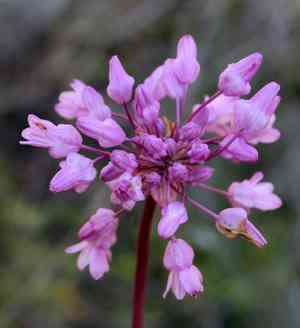
Twining snakelily (Dichelostemma volubile)
Also known as: Twining brodiaea
The California poppy is native to the mountain foothills of California in the western United States. This vibrant wildflower thrives on rocky slopes, making it a popular choice for rock gardens and xeriscape landscaping.
In This Article
Attributes of Twining snakelily
Lifespan
Perennial
Plant Type
Herb
Plant Height
3.5 m
Spread
N/A
Leaf Color
Green
Flower Size
1 cm
Flower Color
Pink Purple
Images of Twining snakelily

Quickly Identify Twining snakelily
1
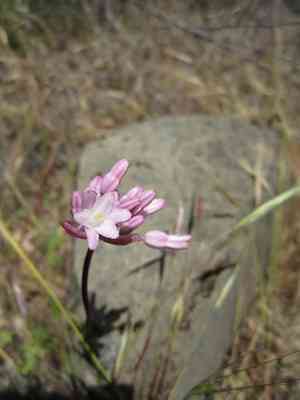
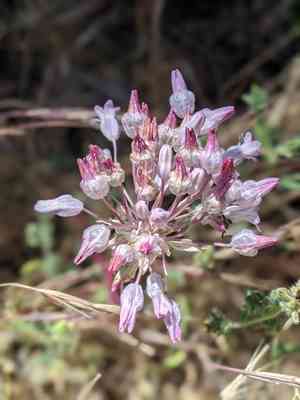
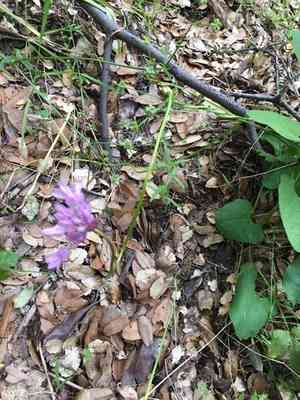
It can be identified by its twining stems, narrow leaves, and bright purple-blue flowers that grow in clusters. The flowers have a star-like appearance and bloom in late spring to early summer.
Scientific Classification of Twining snakelily
Phylum
Vascular plants
Class
Monocotyledons
Order
Asparagales
Family
Asparagus
Genus
Snakelily
Species
Twining snakelily
Planting and Growing of Twining snakelily
Care Difficulty
Easy
Watering Schedule
Every 2 days
Sunlight Requirements
Partial sun
Sunshine Duration
4-8 hours
Ideal Temperature
65-75℉
Soil Type
Potting Mix, Peat Mix
Soil pH
6.5-7.5
Fertilizer Type
Balanced
Pruning Season
Spring, Summer
Pruning Area
Branches, Leaves
Pruning Frequency
2 times a year
Repotting Season
Spring
Pot Type
Plastic, Ceramic
 How to Water Twining snakelily?
Dichelostemma volubile loves a moist environment, so aim to keep the soil evenly damp but not waterlogged. A watering of about 250ml, ensuring the water drains well, is typically perfect.
What are the symptoms of an underwatered Twining snakelily?
›
What should I do if my Twining snakelily is not getting enough water?
›
What are the symptoms of an overwatered Twining snakelily?
›
How to save an overwatered Twining snakelily?
›
 What Are the Sunlight Requirements for Twining snakelily?
Dichelostemma volubile flourishes in partial sun conditions, requiring 3-6 hours of sunlight. This balance supports photosynthesis, fosters growth, and encourages the production of colorful flowers.
More About Sunlight Requirements Techniques→
What is the perfect light condition?
›
How to ensure the ideal lighting?
›
Benefits of ideal lighting
›
 What Is the Ideal Temperature Range for Twining snakelily?
For optimal growth, Dichelostemma volubile thrives in a temperature range between 65°F and 75°F. This range ensures the plant receives sufficient warmth to support photosynthesis and other essential physiological processes. Maintaining these temperatures can help prevent stress and promote robust growth in various environmental conditions.
 What Soil is Best for Twining snakelily?
Dichelostemma volubile thrives in well-drained soils. This is crucial as it prevents waterlogging, which can lead to root rot. Ensuring soil has a good drainage capability will help this plant grow vigorously with healthy roots. This plant requires soil that is supplemented with natural fertilizers or compost to provide essential nutrients. A nutrient-rich soil promotes strong growth and vibrant blooms, ensuring that the plant gets all it needs to proliferate. Dichelostemma volubile prefers soil that retains moisture yet does not remain soggy. Achieving a balance in soil moisture aids in consistent plant health and flowering but avoids the danger of fungal diseases associated with overly wet conditions.
 How to Fertilize Twining snakelily?
For optimal growth, apply a balanced fertilizer with a nitrogen-phosphorus-potassium (N-P-K) ratio of 10-10-10 at the rate of one tablespoon per gallon of water when using liquid fertilizers. When using slow-release fertilizers, use about 1/4 cup per plant annually.
 How to Prune Twining snakelily?
Start pruning Dichelostemma volubile by first cleaning your pruning shears with rubbing alcohol to prevent spreading any diseases. Identify any dead or weak-looking stems and branches; these should be your first targets. Make your cuts at a 45-degree angle, just above a set of leaves or nodes, to encourage healthy new growth. Remember to also remove any crowded branches in the center to allow for better air circulation and light penetration.
More About Pruning Techniques→
 How to Propagate Twining snakelily plant?
1
Fill the seed tray with a well-draining potting mix, ensuring the mix is evenly spread and reaches just below the rim. Lightly moisten the mix without making it too wet to touch.
2
Scatter the seeds on the surface of the potting mix. It's important to distribute them evenly to prevent overcrowding, which can lead to competition for resources as they germinate.
3
Lightly cover the seeds with a thin layer of potting mix, just enough to barely cover them. This layer protects the seeds while allowing light to penetrate, promoting germination.
 How to Repot Twining snakelily plant?
1
Repotting Dichelostemma volubile is ideal when new growth appears in early spring, signaled by sprouting stems and vibrant leaves. These signs indicate the plant is actively growing and can recover swiftly from any root disturbances.
2
Select a pot just a few inches larger than the current one. It should have ample drainage to prevent waterlogging. A perfectly sized pot encourages root development while reducing water retention risks, crucial for this bulbous species.
3
Opt for well-draining sandy soil to mimic the plant's natural habitat. This soil mix prevents root rot by allowing excess water to escape, ensuring that the plant thrives with its roots in robust health.
Learn More About Twining snakelily Diseases
Anthracnose
Bacterial Leaf Spot
Bacterial Soft Rot
Bacterial Wilt
Black Spot
Chemical Injury
Crown Gall
Cyst Nematode
Damping-off
Downy Mildew
Drought Stress
Fusarium Wilt
Gray Mold
Leaf Curl
Leaf Spot
Mosaic
Nutrient Deficiency
Nutrient Toxicity
Powdery Mildew
Root Rot
Root-knot Nematode
Rusts
Sooty Mold
Spider Mites
Temperature Stress
Thrips Damage
White Mold



