How Much Sunlight Do Twining snakelily Need?
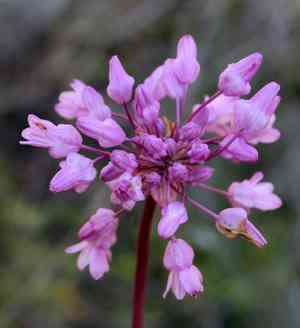
1
The Twining snakelily flourishes optimally with ample sunlight, needing over six hours of direct sun daily.
2
It can endure some shade, particularly in warmer regions to avoid excessive light.
3
Improper light conditions may result in stunted development and blooming problems for the Twining snakelily.
Ideal Light Conditions for Twining snakelily
Full Sun Requirements
The Twining snakelily thrives with full sun exposure, meaning it requires a minimum of 6 to 8 hours of direct sunlight daily. This plant prospers in bright, unfiltered light, which encourages vigorous growth and abundant blooms. Position the Twining snakelily where it can receive peak sun exposure throughout the day. In regions with intense, scorching summers, consider providing morning sun and some afternoon shade to prevent leaf burn.
Partial Shade Tolerance
Although the Twining snakelily prefers full sun, it can endure partial shade. Partial shade, which means 3 to 6 hours of sunlight, can be advantageous in extremely hot climates where continuous full sun might be too harsh. In such environments, partial shade helps protect the plant from stress and dehydration. To achieve this balance, consider planting the Twining snakelily near taller plants or structures that offer filtered light throughout the day.
The Importance of Sunlight for Twining snakelily
Photosynthesis and Growth
Sunlight is essential for photosynthesis, the process by which the Twining snakelily converts light energy into chemical energy to fuel its development. Adequate sunlight ensures the plant generates the necessary energy for healthy foliage and robust stems. Without sufficient sunlight, the Twining snakelily may exhibit stunted growth or become elongated as it reaches for available light sources.
Flowering and Blooming
For the Twining snakelily, sunlight is a crucial element for successful flowering and blooming. Ample sunlight promotes the development of vibrant, healthy flowers. If the plant does not receive enough light, you might observe fewer blooms, and those that do appear may be less impressive in color and size. Ensuring your Twining snakelily gets sufficient light directly impacts its capacity to produce its characteristic beautiful flowers.
Adjusting Light Exposure for Twining snakelily
Seasonal Light Adjustments
Light exposure varies with the seasons, and it's important to adapt care accordingly. During spring and summer, days are longer, providing abundant sunlight, which is ideal for the Twining snakelily. Conversely, fall and winter bring shorter days with less intense light. During these colder months, monitor the plant's exposure and, if needed, relocate it to a sunnier spot or supplement with artificial grow lights to meet its light requirements.
Indoor vs. Outdoor Cultivation
When cultivating Twining snakelily indoors, it's vital to mimic its outdoor light conditions as closely as possible. Place the plant near a south-facing window where it can receive ample direct sunlight. If natural light is insufficient, consider using fluorescent or LED grow lights to ensure the plant's light needs are met. For outdoor growing, simply ensure the Twining snakelily has a sunny location in your garden where it can flourish.
Signs of Improper Light Exposure in Twining snakelily
Excessive Sunlight
Too much sunlight can cause the Twining snakelily's leaves to yellow or develop scorched patches. If you observe these symptoms, it may be necessary to provide some shade during the hottest parts of the day or move the plant to a location with partial shade. Regularly check the plant for signs of stress and adjust its light exposure as required.
Insufficient Sunlight
Too little sunlight can result in poor growth, weak stems, and a lack of blooming in the Twining snakelily. The plant may appear pale, and its leaves might droop as it stretches towards light sources. To correct this, gradually move the plant to a sunnier spot and ensure it receives the 6 to 8 hours of direct sunlight it needs. Indoor plants may benefit from additional artificial lighting to supplement natural light.



