How to Transplant Plumegrass?
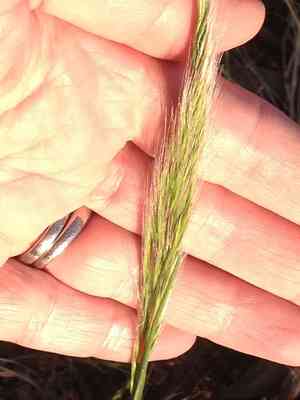
Plumegrass is best relocated from the beginning of early spring until its peak, allowing sufficient time for development. Place this enduring plant in areas with good drainage and ample sunlight for successful rooting. Apply natural ground cover to preserve hydration when needed.
Essential Preparations Before Relocating Plumegrass
Optimal Period for Plumegrass Relocation?
Plumegrass, a perennial plant, flourishes when moved between early and late spring. This timeframe provides warmer soil temperatures, aiding root development and growth prior to intense summer heat. Relocating during this period allows plumegrass to benefit from ample moisture and extended daylight, promoting better adaptation and vigor.
Recommended Spacing Between Plumegrass Specimens?
For plumegrass, ensure each plant is positioned approximately 12-18 inches (30-45 cm) apart. This spacing guarantees sufficient room for development without overcrowding.
Ideal Soil Composition for Plumegrass Relocation?
Prepare a soil mixture that drains effectively for plumegrass. Ideally, the substrate should be sandy or loamy. Incorporating a balanced, slow-release base fertilizer will provide a strong start.
Optimal Location for Plumegrass Relocation?
Select a sun-drenched location for transplanting plumegrass. They perform best in full sunlight, so aim for an area receiving at least 6-8 hours of direct sun daily.
Tools Required for Plumegrass Transplantation
Gardening Gloves
To safeguard your hands while handling soil and plants.
Shovel or Spade
For excavating and creating planting holes.
Garden Fork
To gently loosen soil around plant roots within a container.
Watering Can
To hydrate the plant before and after its relocation.
Pruners
For trimming damaged roots or foliage.
Trowel
For small, precise digging tasks.
Wheelbarrow
To transport heavy soil or plants.
Mulch
To aid in retaining soil moisture and regulating temperature.
Stakes or Supports
For bracing tall plants during their establishment phase.
Method for Extracting Plumegrass from its Growing Medium?
Method for Extracting Plumegrass from its Growing Medium?
From Ground: First, moisten the plumegrass plant to dampen the soil. Next, excavate a wide trench around the plant using a shovel or spade, ensuring the plant's root ball remains intact. Carefully maneuver the spade beneath the root ball to lift the plant from its original spot.From Pot: Thoroughly water the plumegrass plant. Gently tap and compress the pot's sides to loosen the soil. Tilt the pot sideways and carefully slide out the plant, supporting the root ball with your hand.From Seedling Tray: Water the seedling tray to moisten the soil. Gently lift each plumegrass seedling by its leaves or stem base, using a small trowel or your fingers to support the root ball. Exercise caution to avoid harming the delicate roots.
Detailed Procedure for Transplanting Plumegrass
Location Preparation
Select a site that meets the growth requirements of plumegrass. Prepare the soil by digging a hole twice the width and depth of the root ball.
Soil Improvement
If necessary, enrich the soil with compost or other organic matter to improve drainage and nutrient availability.
Plant Positioning
Place the plumegrass plant in the hole, ensuring the top of the root ball is level with the surrounding soil. Adjust the hole's depth if needed.
Backfilling
Gently refill the hole with soil, pressing it down to eliminate air pockets. Be careful not to bury the plant's crown.
Watering
Thoroughly water the transplanted plumegrass to help settle the soil around the roots and provide essential moisture.
Mulching
Spread a layer of mulch around the plant's base, keeping it a few inches away from the stem to prevent rot.
Support
If necessary, install stakes or other supports to help the plant remain upright until it develops strong roots.
Post-Transplantation Care for Plumegrass
Watering
Maintain consistent soil moisture around the plumegrass, avoiding saturation, for the initial weeks after transplanting to aid in root establishment.
Pruning
Remove any damaged or diseased foliage or stems to encourage healthy development.
Monitoring
Regularly inspect for indications of stress, pests, or diseases, and address any issues promptly.
Fertilizing
After several weeks, consider applying a balanced fertilizer to support growth.
Resolving Common Issues During Plumegrass Transplantation.
When is the optimal time to transplant plumegrass?
Relocate plumegrass from early spring to late spring for successful establishment and growth.
What is the recommended spacing for plumegrass?
Space plumegrass 12-18 inches (30-46 cm) apart to ensure adequate growth and air circulation.
How should I prepare the soil for plumegrass transplantation?
Ensure the soil is well-drained and enriched with organic matter before transplanting plumegrass.
What depth should I plant plumegrass?
Plant plumegrass at the same depth it was growing in its original container.
Should I water plumegrass immediately after transplanting?
Yes, water plumegrass thoroughly right after transplanting to settle the soil around its roots.
How can I prevent transplant shock for plumegrass?
Water consistently, avoid root disturbance, and transplant during cooler parts of the day.
What type of mulch is suitable for plumegrass?
Use organic mulch, such as straw or bark, to retain moisture and prevent weed growth.
Is fertilization necessary for plumegrass after transplanting?
Fertilize lightly with a balanced fertilizer to support new growth after transplanting plumegrass.
How do I protect plumegrass from pests post-transplant?
Inspect regularly for pests and use organic pest control methods if necessary after transplanting plumegrass.
What kind of sunlight does plumegrass require?
Plumegrass thrives in full sun to partial shade; ensure it receives at least 6 hours of sunlight daily.



