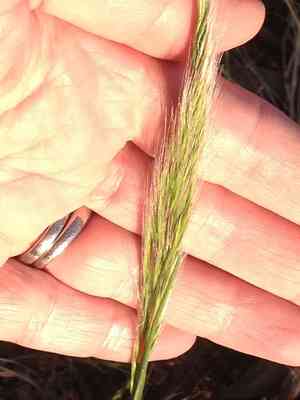
Plumegrass (Dichelachne micrantha)
Also known as: Short-hair plumegrass
Plumegrass has seen a notable decline in the wild primarily due to habitat destruction from agricultural and urban development. While its appealing flowerheads make it a popular choice for gardens, there is a risk of it becoming invasive if not properly managed. Additionally, the scientific name Dichelachne micrantha is derived from Greek, meaning "split chaff."
In This Article
Attributes of Plumegrass
Lifespan
Perennial
Plant Type
Grass
Plant Height
Up to 1 meter
Spread
N/A
Leaf Color
Green
Flower Size
N/A
Flower Color
Greenish-brown
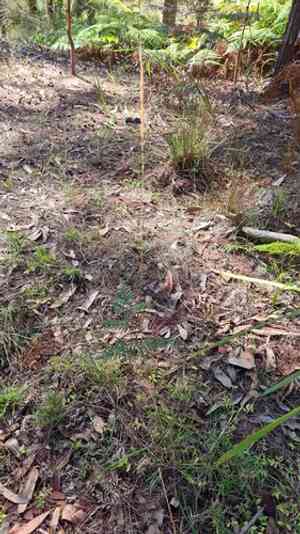
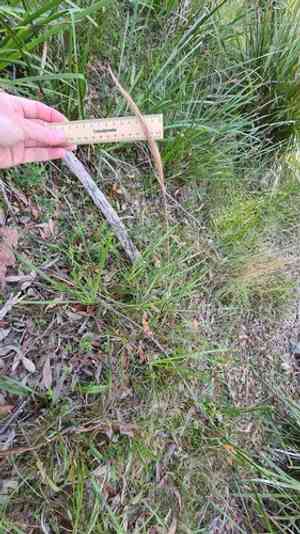
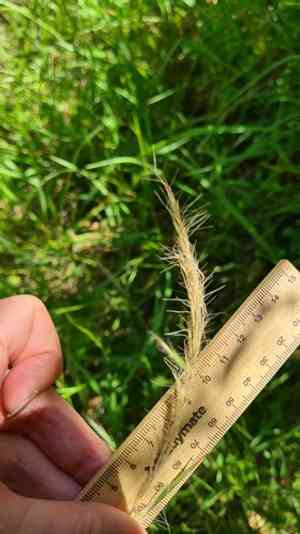
Images of Plumegrass
Quickly Identify Plumegrass
1
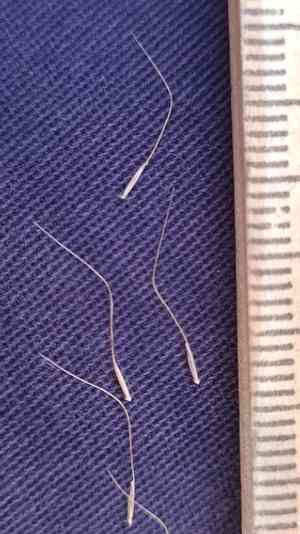
Dichelachne micrantha can be identified by its slender, erect stems which can reach up to 1 meter in height. Its flowering spikes are relatively short and compact compared to other species in the genus.
Scientific Classification of Plumegrass
Phylum
Vascular plants
Class
Monocotyledons
Order
Poales
Family
Grass
Genus
Plume grass
Species
Plumegrass
Planting and Growing of Plumegrass
Care Difficulty
Moderate
Watering Schedule
Every 2 days
Sunlight Requirements
Partial sun
Sunshine Duration
4-6 hours
Ideal Temperature
60-75℉
Soil Type
Potting Mix, Peat Mix
Soil pH
6.5-7.5
Fertilizer Type
Balanced
Pruning Season
Spring, Summer
Pruning Area
Branches, Leaves
Pruning Frequency
2 times a year
Repotting Season
Spring
Pot Type
Plastic, Ceramic
 How to Water Plumegrass?
Dichelachne micrantha, also known as Small-flowered Wallaby Grass, thrives on well-considered watering. Ensure the soil is thoroughly moistened, reaching a depth of around 2.5 centimeters. This encourages deep root growth and sustains the plant between waterings.
What are the symptoms of an underwatered Plumegrass?
›
What should I do if my Plumegrass is not getting enough water?
›
What are the symptoms of an overwatered Plumegrass?
›
How to save an overwatered Plumegrass?
›
 What Are the Sunlight Requirements for Plumegrass?
Dichelachne micrantha does best with partial sun, approximately 4 to 6 hours daily. Adequate lighting helps with photosynthesis, ensuring healthy, lush foliage and enhancing its natural beauty.
What is the ideal sunlight for Dichelachne micrantha?
›
How can I ensure my plant gets partial sun?
›
What benefits does ideal lighting provide for this plant?
›
 What Is the Ideal Temperature Range for Plumegrass?
The ideal temperature range for growing Dichelachne micrantha is between 60 to 75 degrees Fahrenheit. This range ensures optimum growth and photosynthesis, providing the best environment for nutrient uptake and development. Maintaining this temperature will foster healthy foliage and root development while minimizing stress and disease susceptibility.
 What Soil is Best for Plumegrass?
Dichelachne micrantha thrives in nutrient-rich soil that supports its healthy growth. Fertile soil ensures that the plant receives adequate nutrients for robust development and improves its overall vitality. The plant prefers well-drained soils which prevent waterlogging and root rot. Proper drainage maintains soil aeration, promoting healthier root systems and enhancing the plant's resistance to diseases. The soil should retain a moderate amount of moisture without becoming soggy. This balance provides Dichelachne micrantha with consistent hydration, improving its resilience to drought conditions.
 How to Fertilize Plumegrass?
Dichelachne micrantha thrives on balanced fertilization. For liquid fertilizers, apply at a rate of 1/2 teaspoon per gallon of water. Slow-release fertilizers can be applied with a handful per square meter to complement its nutrient needs effectively. This balance ensures healthy growth and lush foliage without risk of overfeeding.
 How to Prune Plumegrass?
Start by examining the plant to spot any stems that look dead, damaged, or diseased. These should be the first to go as removing them encourages growth of healthy shoots while preventing the spread of any potential disease. When trimming stems or unwanted parts, ensure you cut at a 45-degree angle. This angled cut helps water run off the stem and reduces the risk of rot, especially in moist environments. After reducing overgrowth and removing any problem areas, step back and assess the plant’s shape. Trim back any unsightly or uneven areas to maintain a symmetrical and pleasing form, which is also beneficial for even sunlight distribution.
 How to Propagate Plumegrass plant?
1
Collect seeds from mature Dichelachne micrantha plants when the seed heads turn brown. Ensure the seeds are dry and free of diseases or pests before storage or sowing.
2
Sow the seeds evenly across the surface of the seed tray filled with soil mix. Cover them lightly with a thin layer of soil, as they require light for germination.
3
Water the seeds gently using a fine spray or mist. Keep the soil consistently moist but not waterlogged to ensure successful germination and initial growth.
 How to Repot Plumegrass plant?
1
You should consider repotting Dichelachne micrantha when you notice its roots emerging from the drainage holes or if its growth seems stunted despite regular care. This usually indicates it's running out of room in its current pot. Another excellent time is during its active growth period in spring or after it has flowered in autumn.
2
Select a pot that is just one size larger than its current one to avoid over-potting, which can lead to root rot and other issues. Opt for containers with ample drainage holes to ensure excess water can escape, fostering a healthy root system. Using a material like terracotta can also help wick away moisture, perfect for a plant that prefers well-drained conditions.
3
Opt for a well-draining loamy soil mixture that mimics the natural grassland habitat of Dichelachne micrantha. Incorporating sand or perlite into your potting mix can improve aeration and drainage, crucial for preventing root rot. This type of soil composition allows air and moisture to reach the plant's roots efficiently.



