How to Propagate Plumegrass?
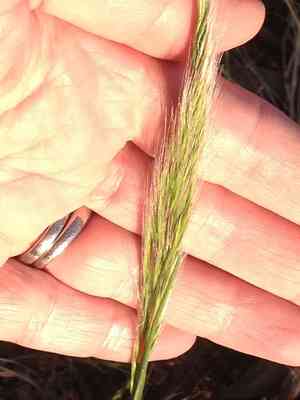
Pampas grass, a perennial, is valued for its decorative appeal and resilience. To propagate pampas grass successfully, divide and transplant established clusters. Ensure the soil is fertile and drains well, and provide steady hydration until the plants are rooted. Although it endures diverse environments, select a bright spot for peak development. Routine care involves periodic watering and clearing the vicinity of rival weeds, fostering a vigorous and thriving patch.
When Is the Optimal Time to Propagate Plumegrass?
Propagation Method
Division
Propagation Period
Spring,Autumn
What Implements Are Utilized in Plumegrass Propagation?
Garden Spade
A garden spade is crucial for excavating plumegrass clumps. The spade should be sharp and robust to efficiently cut through roots and earth without causing undue stress to the plant.
Pruning Shears
High-quality pruning shears are essential for neatly trimming and dividing plant clumps. Sharpened blades ensure precise cuts, minimizing infection risk and promoting quicker healing.
Root Knife
A root knife is especially helpful in separating the dense root masses of plumegrass. It allows for clean cuts through tough roots, ensuring minimal harm and improved chances of successful re-establishment.
Garden Fork
A garden fork aids in lifting and loosening the soil around plumegrass without harming the roots. This tool is vital for gently extracting the plant from the ground with minimal disruption.
Watering Can
A watering can with a gentle showerhead is crucial for irrigating newly divided plants. Sufficient and gentle watering helps the plant establish well in its new location.
Plant Labels
Plant labels are important for tracking different divisions and ensuring correct identification. This assists in monitoring growth and provides an organized approach to plant management.
Compost or Organic Matter
Compost or organic matter is vital for enriching the soil during replanting. Adding organic material promotes healthy root development and faster establishment of plumegrass.
Mulch
Applying mulch around the newly planted divisions helps retain moisture, regulates soil temperature, and suppresses weeds, contributing to the healthy growth of plumegrass.
How to Propagate Plumegrass?
Propagation Type
Easy
How to Nurture Your Newly Propagated Plumegrass?
How to Nurture Your Newly Propagated Plumegrass?
To care for plumegrass following propagation, ensure the soil remains consistently moist, especially during the initial establishment phase. Mulch around the plants to retain moisture and inhibit weeds. Continue to observe the plants for signs of stress and provide additional watering during dry spells. Fertilize sparingly if necessary, but avoid excessive fertilization. Keep the area clear of debris and offer protection from pests and diseases.
Common Errors to Avoid When Propagating Plumegrass
Insufficient Soil Preparation
Utilizing soil that drains poorly or lacks nutrients can impede root development and growth, leading to stunted plants.
Overwatering
Excessive water can result in root rot and fungal diseases, which can severely impact the plant's health and reduce propagation success.
Incorrect Light Exposure
Placing the plant in a location with too much shade can restrict its growth, while too much direct sunlight can scorch the foliage.
Improper Spacing
Planting the propagules too close together can lead to competition for nutrients and light, resulting in weaker plants.
Failure to Control Pests
Ignoring pest management can allow infestations that harm the plant and jeopardize propagation efforts.
Advice For Propagating Plumegrass
Utilize Well-Draining Soil
Ensure the soil mixture allows excess water to drain away, reducing the risk of root rot and promoting healthy root development.
Water Sparingly
Water the plant only when the top inch of soil is dry to the touch, maintaining moisture balance and reducing the likelihood of fungal infections.
Provide Optimal Light
Position the plant in a location where it receives bright, indirect sunlight to facilitate proper growth without the risk of scorching.
Ensure Adequate Spacing
Space the propagules adequately apart to prevent competition for resources and to promote healthy, robust growth.
Regular Pest Check
Monitor the plant regularly for signs of pests and take prompt action using appropriate organic or chemical treatments to keep the plant healthy.



