How to Transplant Kleberg's bluestem?
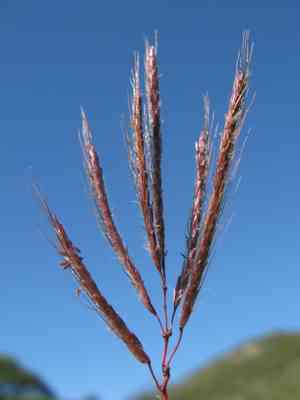
For optimal development, the most suitable period to relocate kleberg's bluestem is from mid-spring to early summer. Choose a location that receives ample sunlight and offers effective water drainage. Verify that the chosen site replicates kleberg's bluestem's native environment to facilitate a smooth adjustment.
What Preparations are Needed Before Transplanting Kleberg's Bluestem?
What is the Ideal Time for Transplanting Kleberg's Bluestem?
Moving kleberg's bluestem during late spring to early summer is perfect, utilizing the best temperatures for root development. This favorable period encourages strong growth, allowing kleberg's bluestem to adjust easily with minimal stress, while the increasing daylight and warmth of the season promote vigorous expansion. It's a gentle boost to your garden's vitality, ensuring kleberg's bluestem thrives from the start!
How Much Space Should You Leave Between Kleberg's Bluestem Plants?
When preparing to rehome your kleberg's bluestem, aim for a spacing of approximately 12-18 inches (30-45 cm) between them. This ensures ample room for them to flourish without competing for essential resources!
What is the Best Soil Mix for Kleberg's Bluestem Transplanting?
Your kleberg's bluestem will flourish in soil that drains well and is rich in organic matter. Before transplanting, incorporate a balanced, slow-release fertilizer to give them a robust beginning. Consider it a hearty welcoming meal for your plants!
Where Should You Relocate Your Kleberg's Bluestem?
Select a sunny location for your kleberg's bluestem, as they prefer abundant light. A spot that receives full sun for the majority of the day will keep your plants content and healthy. It's their equivalent of a bright day at the beach!
What Equipments Should You Prepare Before Transplantation Kleberg's Bluestem?
Gardening Gloves
To safeguard your hands while handling soil and plants.
Spade or Shovel
For excavating the plant from its original spot and digging the new hole in the ground.
Garden Fork
To gently loosen the soil surrounding the plant's roots prior to removal.
Watering Can or Hose
To hydrate the plant before and after relocation to minimize stress.
Wheelbarrow or Tarp
To move the kleberg's bluestem without harming its foliage or root system.
Secateurs or Pruning Shears
To trim any damaged or excessively long roots before the transplanting process.
Mulch
To apply around the base of the kleberg's bluestem after transplanting to help maintain soil moisture and regulate temperature.
How Do You Remove Kleberg's Bluestem from the Soil?
How Do You Remove Kleberg's Bluestem from the Soil?
From Ground: First, thoroughly water the kleberg's bluestem a day prior to moisten the soil, facilitating easier plant removal. Use a garden fork to gently loosen the soil around the roots. Then, dig a wide circle around the plant with a spade or shovel, going deep enough to encompass most of the root ball. Carefully lift the plant out of the ground, minimizing root disturbance.From Pot: Water the kleberg's bluestem and tap the pot's sides to loosen the soil. Gently invert the pot, supporting the kleberg's bluestem as it slides out. If the plant doesn't release easily, run a knife along the pot's inner edge to help free the soil.From Seedling Tray: Water the tray to simplify seedling removal. Gently push up from the bottom of the cell or use a tool like a dibber or small stick to lift the seedling, taking care not to harm the delicate roots.
Step-by-Step Guide for Transplanting Kleberg's Bluestem
Prepare New Site
Before extracting the kleberg's bluestem, prepare the new planting location by loosening the soil and ensuring it is free of weeds.
Dig New Hole
Excavate a hole at the new site that is twice the width of the kleberg's bluestem's root ball and of similar depth to allow roots to spread easily.
Remove kleberg's bluestem
Following the removal instructions, gently extract the kleberg's bluestem from its current spot, preserving as much of the root ball as possible.
Position kleberg's bluestem in New Hole
Place the kleberg's bluestem in the center of the newly dug hole. The top of the root ball should be level with the surrounding soil surface.
Backfill Soil
Carefully refill the hole with native soil, gently firming it around the roots without excessive compaction.
Water Thoroughly
Water the kleberg's bluestem generously after planting to settle the soil and eliminate any air pockets.
Apply Mulch
Apply a layer of mulch around the base of the kleberg's bluestem to help retain moisture, avoiding direct contact with the stems.
How Do You Care For Kleberg's Bluestem After Transplanting?
Watering
Maintain consistently moist soil for several weeks post-transplant until the kleberg's bluestem exhibits new growth, indicating establishment.
Monitoring
Regularly inspect the kleberg's bluestem for signs of stress, such as wilting or discolored leaves, and address any issues promptly.
Mulching
The applied mulch should be maintained and potentially replenished to safeguard the kleberg's bluestem's root system and preserve soil moisture.
Staking
If the kleberg's bluestem is tall and susceptible to wind sway, gently stake it to provide support until its roots have become established.
Troubleshooting Common Issues with Kleberg's Bluestem Transplantation.
What's the best time to transplant kleberg's bluestem?
The ideal period is when spring transitions to summer, typically mid-spring to early summer.
How far apart should I space kleberg's bluestem plants?
Allow them ample room, about 12-18 inches (30-45 cm) apart, for optimal development.
What soil conditions favor kleberg's bluestem after transplanting?
Aim for well-draining soil with consistent moisture to help kleberg's bluestem settle in happily.
Should I water kleberg's bluestem immediately after transplanting?
Absolutely! A thorough watering aids kleberg's bluestem in recovering from transplant shock and rooting well.
What should I do if kleberg's bluestem wilts post-transplant?
Provide shade and keep the soil moist. Kleberg's bluestem may simply need time to adjust.
How deep should the hole be when transplanting kleberg's bluestem?
Dig a hole twice as wide and as deep as the kleberg's bluestem's root ball.
Can kleberg's bluestem handle full sun after transplanting?
Yes, but gradually acclimate it to prevent scorching, especially during peak sun intensity.
What's the sign of proper root establishment for kleberg's bluestem?
New growth and vibrant, healthy foliage indicate kleberg's bluestem's roots are settling in nicely.
Is it harmful to trim kleberg's bluestem while transplanting?
Trim only dead or damaged foliage; avoid extensive pruning to minimize stress on kleberg's bluestem.
Why are my transplanted kleberg's bluestem's leaves yellowing?
This could be due to stress, overwatering, or nutrient deficiency. Monitor water and soil fertility.



