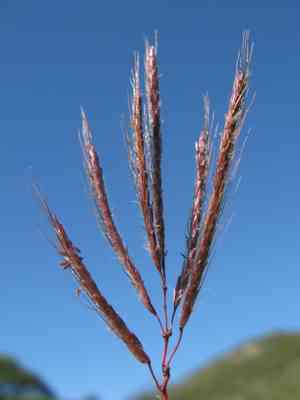
Kleberg's bluestem (Dichanthium annulatum)
Also known as: Sheda grass, Diaz bluestem
Napier grass, also called elephant grass, is widely used in tropical regions, particularly in India, as forage for livestock. Known for its rapid growth in open spaces, it is often harvested for hay. Additionally, Napier grass is effective in stabilizing eroding soils. However, caution is needed in non-native regions as it can sometimes dominate local vegetation.
In This Article
Attributes of Kleberg's bluestem
Lifespan
Perennial
Plant Type
Grass
Plant Height
60 cm to 1 m
Spread
Not commonly measured, but can spread via rhizomes and stolons
Leaf Color
Green
Flower Size
3 cm to 7 cm
Flower Color
Yellow Green Purple Brown
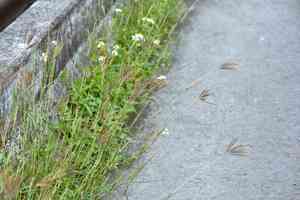
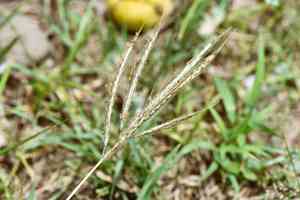
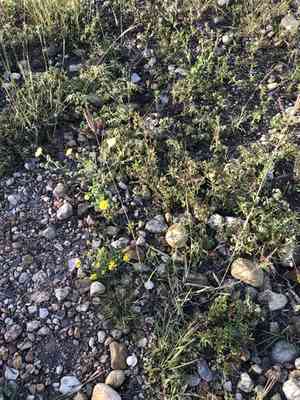
Images of Kleberg's bluestem
Quickly Identify Kleberg's bluestem
1
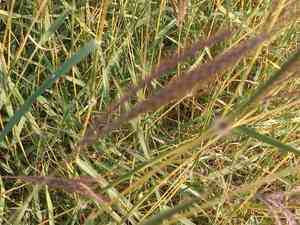
Dichanthium annulatum can be identified by its erect culms, dense flowering parts, and the presence of a basal ring or swelling on the stems. The leaves are flat, linear, and have a rough texture.
Scientific Classification of Kleberg's bluestem
Phylum
Vascular plants
Class
Monocotyledons
Order
Poales
Family
Grass
Genus
Bluestem
Species
Kleberg's bluestem
Planting and Growing of Kleberg's bluestem
Care Difficulty
Easy
Watering Schedule
Every 4 days
Sunlight Requirements
Full sun
Sunshine Duration
4-8 hours
Ideal Temperature
75-86℉
Soil Type
Potting Mix, Peat Mix
Soil pH
6-8
Fertilizer Type
Balanced
Pruning Season
Spring, Summer
Pruning Area
Branches, Leaves
Pruning Frequency
2 times a year
Repotting Season
Spring
Pot Type
Plastic, Ceramic
 How to Water Kleberg's bluestem?
Dichanthium annulatum, also known as marvel grass, prefers moderate watering. You'll want to aim for about 1000 milliliters of water each time, ensuring the soil is evenly moist but not waterlogged. This allows the roots to absorb moisture effectively without causing root rot.
What are the symptoms of an underwatered Kleberg's bluestem?
›
What should I do if my Kleberg's bluestem is not getting enough water?
›
What are the symptoms of an overwatered Kleberg's bluestem?
›
How to save an overwatered Kleberg's bluestem?
›
 What Are the Sunlight Requirements for Kleberg's bluestem?
A combination of full sun and partial sun is ideal, fostering robust growth, vibrant green foliage, and effective photosynthetic activity, ensuring resilience and health.
What is the ideal light condition?
›
How to achieve these lighting conditions?
›
What are the benefits of achieving ideal lighting?
›
 What Is the Ideal Temperature Range for Kleberg's bluestem?
Dichanthium annulatum thrives in warm environments where the temperature range is ideally between 75°F to 86°F. Maintaining this optimal range encourages healthy growth and vigorous development. Such conditions mimic the plant's natural habitat, enhancing its adaptability and resilience.
 What Soil is Best for Kleberg's bluestem?
Dichanthium annulatum thrives in well-drained soils. This requirement prevents waterlogging, which can lead to root rot and other fungal diseases. A soil structure that facilitates efficient drainage supports healthy root development. This plant benefits immensely from soils rich in essential minerals. The presence of minerals like phosphorus and potassium plays a significant role in its growth and helps improve drought tolerance by strengthening the plant structure. Incorporating organic matter like compost in the soil can greatly benefit Dichanthium annulatum. Organic matter improves soil fertility by adding nutrients slowly and enhances moisture retention during dry spells.
 How to Fertilize Kleberg's bluestem?
For Dichanthium annulatum, it's important to apply the right amount of fertilizer to promote healthy growth. A general guideline is to use approximately 50-100 grams of a balanced granular fertilizer per square meter during the growing season. Adjust based on the soil’s natural fertility.
 How to Prune Kleberg's bluestem?
Start by examining the Dichanthium annulatum for any dead or damaged foliage. Use sterilized pruning shears to remove these parts, cutting at an angle to encourage new growth. Also, thin out crowded areas to improve air circulation. Trim back overgrown sections to maintain a tidy shape and control the plant's size. Regular pruning ensures healthier growth and a more aesthetically pleasing appearance.
More About Pruning Techniques→
 How to Propagate Kleberg's bluestem plant?
1
Begin by collecting seeds from mature plants. Clean and dry them thoroughly before planting to prevent mold growth. Soak them overnight to soften the seed coat and improve germination rates.
2
Place the seeds in seed trays filled with a well-draining potting mix. Ensure they are spaced evenly to avoid overcrowding. Cover them lightly with soil and water gently to settle them in.
3
For division propagation, select a well-established plant. Carefully dig up the plant and gently separate it into smaller sections, ensuring each has enough roots to support new growth. Replant immediately.
 How to Repot Kleberg's bluestem plant?
1
Look for signs like roots emerging from drainage holes, water draining too quickly, or slowed growth. These indicate that your Dichanthium annulatum needs more space or fresh soil, typically every 2-3 years.
2
Select a pot that is only slightly larger than the current one to avoid waterlogging. Ensure it has proper drainage holes. This helps prevent root rot and maintains ideal moisture levels for healthy growth.
3
Opt for well-draining loamy soil; it holds water without becoming soggy. This type of soil ensures the roots get adequate air circulation, promoting healthy root systems and vibrant growth.



