How to Prune Kleberg's bluestem?
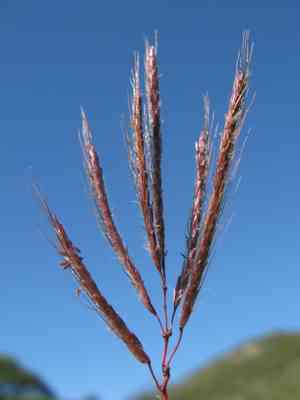
Kleberg's bluestem, a perennial grass, flourishes in expansive environments. Perform trimming in early spring or during winter to eliminate deceased plant material and encourage vigorous new development. Employ pruning shears for a precise incision near the base. Strategic pruning guarantees lush foliage and can aid in managing pests. Refrain from making cuts late in the season, as this can impede the plant's dormancy and deplete its stored energy for the subsequent growing period.
What Are the Benefits of Pruning Kleberg's Bluestem?
What Are the Benefits of Pruning Kleberg's Bluestem?
Trimming kleberg's bluestem promotes robust development and maintains its form. By selectively cutting back overgrown branches, it stimulates new growth tailored to an aesthetically pleasing shape, ensuring a healthy and visually appealing plant.
What Is the Best Time for Pruning Kleberg's Bluestem?
What Is the Best Time for Pruning Kleberg's Bluestem?
Pruning or trimming kleberg's bluestem in early spring is ideal as this is right before the onset of the growing season, allowing gardeners to shape the plant and remove any dead or damaged foliage without affecting new growth. This timing ensures that the wounds heal quickly, and the new growth will cover pruning cuts. Winter pruning is also beneficial because the plant is in a dormant state. Cutting back kleberg's bluestem during dormancy minimizes stress on the plant and risks of disease transmission are lower, as most pests and pathogens are inactive during cold weather. Pruning in winter also provides the advantage of better visibility of the plant structure, due to the absence of leaves, making it easier to identify which parts to remove.
What Tools Do I Need to Prune Kleberg's Bluestem?
Bypass Pruners
Bypass pruners are ideal for making precise cuts on kleberg's bluestem, allowing for clean removal of any dead or diseased blades without damaging the surrounding healthy grass. They are especially suitable for kleberg's bluestem due to their sharp, curved blades that can easily cut through the plant's relatively thin stems.
Grass Shears
Grass shears are designed for trimming and shaping grasses, making them a good choice for kleberg's bluestem. They provide a quick and easy way to maintain the ornamental appearance of the grass without causing undue harm to the plant.
String Trimmer
If larger areas of kleberg's bluestem require trimming, a string trimmer can be used to manage and maintain clean edges or to cut back the grass. It's efficient for quickly handling extensive growth of kleberg's bluestem and can reach spots that are difficult to manage with hand tools.
Hedge Shears
Hedge shears might be used for larger or denser patches of kleberg's bluestem. They enable the gardener to prune multiple stems at once, making the task of shaping or cutting back kleberg's bluestem more efficient.
How to Prune Kleberg's Bluestem
Disinfect tools
Before starting, ensure all pruning tools are disinfected to prevent the spread of disease. Use a solution of 1 part bleach to 9 parts water to sterilize the cutting instruments.
Remove diseased leaves
Carefully identify and remove any diseased leaves from kleberg's bluestem. Use clean, sharp scissors or hand pruners to cut away the leaves, making sure to avoid contact with healthy parts to prevent contamination.
Trim withered leaves
Proceed to trim away any withered or dead leaves. Perform cuts on kleberg's bluestem close to the base of the leaf where it meets the stem or the next healthy part, without damaging new growth.
Collect debris
After pruning, collect all removed leaves and other debris from around kleberg's bluestem. Dispose of them properly to minimize the risk of disease spreading.
Clean up
Finish by cleaning all tools used for pruning kleberg's bluestem once again to ensure no pathogens are transferred to other plants or remain on the tools for future use.
Common Pruning Mistakes with Kleberg's Bluestem
Over-pruning
Removing too much at once can stress kleberg's bluestem, leading to reduced vigor and potentially harming the plant's long-term health.
Unsuitable tools
Using dull or dirty cutting tools can cause jagged cuts that are more susceptible to disease and may hinder the healing process in kleberg's bluestem.
Pruning healthy growth
Unnecessarily cutting away healthy stems and foliage can limit kleberg's bluestem's ability to photosynthesize and grow.
Ignoring damaged areas
Failing to remove dead or diseased growth can invite pests and spread disease, negatively impacting kleberg's bluestem's overall health.
Random cutting
Pruning without a clear plan or pattern can lead to uneven growth and a lack of shape or form in kleberg's bluestem.
Common Pruning Tips for Kleberg's Bluestem
Clean cuts
Make sure to use sharp, clean pruning shears for precise cuts that will heal quickly, minimizing stress on kleberg's bluestem.
Strategic thinning
Thin out kleberg's bluestem selectively to improve air circulation and light penetration, which encourages healthy growth and reduces disease risk.
Focus on dead or weak stems
Prioritize removing dead, diseased, or damaged stems to maintain the health and aesthetics of kleberg's bluestem, without compromising its vigor.
Shape maintenance
Gently shape kleberg's bluestem during pruning to encourage a balanced, natural-looking form, promoting uniform growth.
Post-pruning care
After pruning, provide kleberg's bluestem with adequate water and nutrients to support recovery and new growth.



