How to Transplant Columbian larkspur?
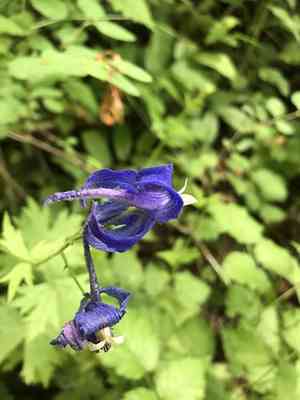
Columbian larkspur flourishes when transplanted between early and late spring, benefiting from moderate temperatures and damp earth. Preferably, select a location offering partial sunlight and soil that drains effectively. Confirm the new environment replicates its native setting for peak development.
What Preparations are Needed Before Transplanting Columbian Larkspur?
What is the Ideal Time for Transplanting Columbian Larkspur?
The best time to move columbian larkspur, a perennial, is from early spring through its later weeks. This period offers mild temperatures and sufficient moisture, promoting strong root development. Transplanting then also reduces stress, leading to more vigorous growth and blooms during the growing season.
How Much Space Should You Leave Between Columbian Larkspur Plants?
When relocating columbian larkspur, ensure each plant is spaced 1-2 feet (30-60 cm) apart. This provides ample room for them to grow and thrive without being crowded.
What is the Best Soil Mix for Columbian Larkspur Transplanting?
For columbian larkspur, prepare soil that drains well and is enriched with compost or organic material. A slightly alkaline pH of 7.0-8.0 is perfect. Incorporating a balanced base fertilizer will supply vital nutrients and encourage robust development.
Where Should You Relocate Your Columbian Larkspur?
Select a location for columbian larkspur that gets full to partial sun, approximately 6-8 hours daily. This will aid the plants in developing sturdy stems and vibrant flowers.
What Equipments Should You Prepare Before Transplantation Columbian Larkspur?
Gardening Gloves
To safeguard your hands while handling soil and plants.
Shovel or Spade
For excavating the plant and preparing its new planting spot.
Garden Fork
To assist in loosening the soil around the root system.
Watering Can or Hose
To hydrate the plant before and after its relocation.
Garden Knife or Pruners
For trimming any damaged roots or foliage.
Tarp or Wheelbarrow
To move the plant from its original spot to the new location.
Mulch
To help maintain soil moisture and stabilize its temperature.
How Do You Remove Columbian Larkspur from the Soil?
How Do You Remove Columbian Larkspur from the Soil?
From Ground: First, moisten the soil around the columbian larkspur plant. Then, dig a wide trench around the plant using a shovel or spade, ensuring the root ball stays intact. Carefully work the spade beneath the root ball to lift the plant from its initial position.From Pot: Water the columbian larkspur thoroughly to facilitate its removal from the container. Hold the plant at its base and gently tip it out. If the plant is root-bound, use a garden fork or your hands to carefully separate the roots.From Seedling Tray: Water the seedlings before extraction. Use your fingers or a small tool to gently lift the columbian larkspur seedlings from the tray, taking care to preserve the root system.
Step-by-Step Guide for Transplanting Columbian Larkspur
Preparation
Prepare the new planting site by digging a hole that is twice the width and the same depth as the plant's root ball.
Removing the Plant
Utilize the appropriate removal method based on the plant's initial location (from ground, pot, or seedling tray).
Planting
Place the columbian larkspur plant in the hole, ensuring it sits at the same depth as it was in its original spot. Backfill around the root ball with soil, gently firming it down to eliminate air pockets.
Watering
Thoroughly water the columbian larkspur after planting to help the soil settle around the roots.
Mulching
Apply a layer of mulch around the plant's base to retain moisture and suppress weeds.
How Do You Care For Columbian Larkspur After Transplanting?
Watering
Keep the soil around the columbian larkspur consistently moist, but not waterlogged, for the initial weeks post-transplant to aid in strong root establishment.
Monitoring
Observe the plant for indications of stress such as wilting or yellowing leaves and intervene if necessary.
Fertilizing
Do not fertilize immediately after transplanting. Wait until the columbian larkspur exhibits new growth before applying a balanced fertilizer.
Protection
Consider providing some shade or wind protection if the weather is particularly harsh following transplantation.
Troubleshooting Common Issues with Columbian Larkspur Transplantation.
When should I transplant columbian larkspur?
Relocate columbian larkspur between early spring and late spring for optimal outcomes.
How should I prepare the soil for transplanting columbian larkspur?
Ensure well-draining soil enriched with compost or organic matter for vigorous growth.
How far apart should I plant columbian larkspur?
Space columbian larkspur 1-2 feet (30-60 cm) apart to allow for healthy development.
How deep should the planting hole be?
Excavate a hole twice the width and the same depth as the root ball.
How do I minimize transplant shock for columbian larkspur?
Water the plant thoroughly before and after transplanting to lessen shock.
Can I transplant columbian larkspur during hot weather?
Avoid transplanting during warm months; stick to early or late spring.
What should I do if my transplanted columbian larkspur wilts?
Ensure consistent watering, especially during the first few weeks after relocation.
Should I fertilize columbian larkspur during transplanting?
Use a balanced, slow-release fertilizer to support growth during transplanting.
How often should I water columbian larkspur after transplanting?
Water regularly, keeping the soil moist but not saturated during establishment.
How do I handle the roots when transplanting columbian larkspur?
Gently loosen the roots without causing damage before placing in the new hole.



