How to Prune Columbian larkspur?
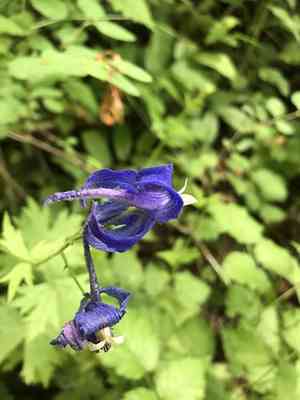
Delphinium is known for its towering, colorful floral stalks and appealing leaves. The best periods for trimming are early spring and late winter to encourage vigorous development and flowering. Start by eliminating withered and compromised stalks, then reduce dense sections to improve air movement. Removing faded blossoms stimulates extended flowering and deters self-propagation. Trimming also aids in managing the plant's dimensions and form, guaranteeing a sturdy and aesthetically pleasing garden presentation.
What Are the Advantages of Trimming Columbian Larkspur?
What Are the Advantages of Trimming Columbian Larkspur?
Columbian larkspur gains from trimming by maintaining a manageable size and form, encouraging robust development, enhancing blooming, and reducing pests and illnesses. Regular trimming ensures columbian larkspur stays healthy and visually appealing.
When Is the Optimal Time for Trimming Columbian Larkspur?
When Is the Optimal Time for Trimming Columbian Larkspur?
Trimming columbian larkspur during late winter to early spring is advantageous as it aligns with the plant's dormant phase, minimizing stress and fostering healthy new growth. This timing also prepares the plant for the upcoming growing season and promotes more vigorous flowering. Trimming during these periods aids in removing dead or damaged stems and supports overall plant vitality, ensuring columbian larkspur has a robust blooming period.
What Equipment Is Necessary to Trim Columbian Larkspur?
Bypass Pruners
Perfect for precise cuts on delicate stems and leaves of columbian larkspur without crushing plant tissue.
Snips
Excellent for detailed shaping and removing spent blooms from smaller flower stems to encourage continuous flowering.
Pruning Shears
Useful for cutting through slightly thicker stems or branches that may develop as columbian larkspur matures.
Hand Pruning Saw
Best for any larger, woody stems or branches that require more substantial trimming efforts.
Gloves
To safeguard hands from sap and potential irritation while handling columbian larkspur.
Cleaning Cloth
Crucial for sanitizing tools before and after use to prevent the spread of diseases.
How to Trim Columbian Larkspur
Inspection
Carefully examine columbian larkspur for any diseased or withered leaves. These are often discolored, wilted, or have an unusual texture.
Sanitize Tools
Sanitize your trimming tools with a mixture of one part bleach to ten parts water or rubbing alcohol to prevent spreading disease.
Cut Sick Leaves
Use sterilized scissors or trimming shears to remove any diseased leaves by cutting them off close to the main stem, making sure not to damage the healthy parts of the plant.
Trim Withered Leaves
Gently trim withered leaves with sharp, sanitized tools. Cut these leaves as close to the base as possible without cutting into the stem.
Disposal
Dispose of the removed diseased and withered leaves properly by sealing them in a bag and discarding them in the trash to prevent potential spread of pathogens.
Common Trimming Errors with Columbian Larkspur
Improper technique
Many gardeners tend to use dull or inappropriate tools, leading to jagged cuts that can damage the plant and invite disease.
Incorrect timing
Trimming at the wrong time of year can stress the plant and reduce its flowering potential, even though the best season for trimming is not covered here.
Over-trimming
Removing too much foliage can weaken columbian larkspur, depriving it of necessary energy reserves for regrowth and flowering.
Cutting too close
Trimming too close to the main stem can cause wounds that take longer to heal and make columbian larkspur more prone to infections.
Neglecting deadheading
Failing to remove spent flowers can result in energy being diverted to seed production rather than new growth or flowering.
Common Trimming Advice for Columbian Larkspur
Use sharp tools
Always use clean, sharp trimming shears to make clean cuts that heal quickly and reduce the risk of disease.
Cut at the right spot
Make cuts just above a node or leaf junction to promote healthy new growth. Avoid cutting too close to the main stem.
Moderation
Trim conservatively, removing no more than one-third of the plant's foliage at a time to avoid stressing columbian larkspur.
Deadheading
Regularly remove spent flowers to encourage continuous blooming and prevent the plant from diverting energy to seed formation.
Monitor plant health
Keep an eye on columbian larkspur's overall health and address any signs of disease or pest infestation promptly to ensure vigorous growth and resilience.



