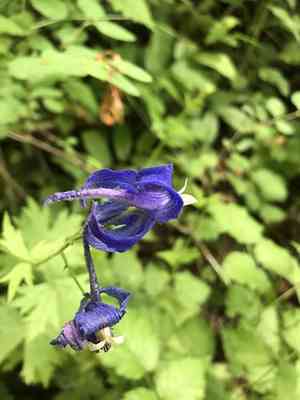
Columbian larkspur (Delphinium trolliifolium)
Also known as: Tall larkspur
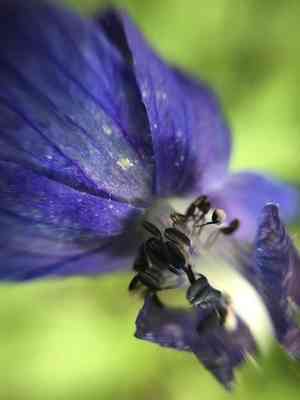
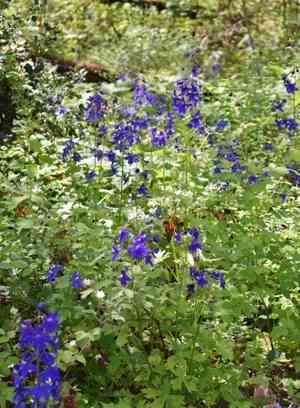
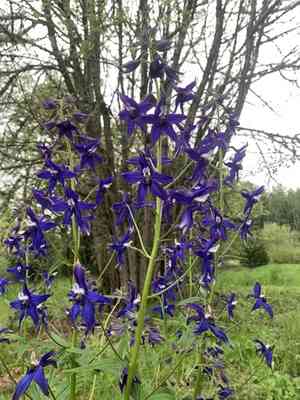
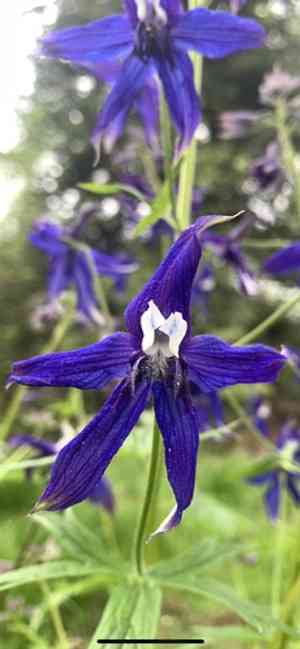
The Delphinium, also known as the columbian larkspur, is notable for its tall spires adorned with deep blue to violet flowers. These perennials, which can reach up to 6 feet in height, flourish in cooler climates. Their large, glossy leaves are reminiscent of the trollius plant. Often found in woodland settings, Delphiniums attract various pollinators, including bees, with their nectar-rich flowers, thereby enhancing the vibrancy of their environment.
In This Article
Attributes of Columbian larkspur
Lifespan
Perennial
Plant Type
Herb
Plant Height
61 cm to 1.8 m
Spread
Approximately 1 to 2 feet (30 to 60 cm)
Leaf Color
Green
Flower Size
1 to 2 inches (2.5 to 5 cm)
Flower Color
Blue to Purple
Images of Columbian larkspur
Quickly Identify Columbian larkspur
1
Identify Delphinium trolliifolium by its tall, slender stems and palmate leaves. The flowers are spurred and typically come in shades of blue or purple. It usually blooms in late spring to early summer.
Scientific Classification of Columbian larkspur
Phylum
Vascular plants
Class
Dicotyledons
Order
Ranunculales
Family
Buttercup
Genus
Larkspurs
Species
Columbian larkspur
Planting and Growing of Columbian larkspur
Care Difficulty
Moderate
Watering Schedule
Every 6 days
Sunlight Requirements
Partial sun
Sunshine Duration
4-8 hours
Ideal Temperature
65-75℉
Soil Type
Potting Mix, Peat Mix
Soil pH
6.5-7.5
Fertilizer Type
Balanced
Pruning Season
Spring, Summer
Pruning Area
Branches, Leaves
Pruning Frequency
2 times a year
Repotting Season
Spring
Pot Type
Ceramic, Plastic
 How to Water Columbian larkspur?
Delphinium trolliifolium prefers its soil to be consistently moist but not waterlogged. When watering, aim for about 500ml per plant, ensuring the soil is evenly damp. Water deeply so that the moisture reaches the plant's roots, promoting healthy growth.
What are the symptoms of an underwatered Columbian larkspur?
›
What should I do if my Columbian larkspur is not getting enough water?
›
What are the symptoms of an overwatered Columbian larkspur?
›
How to save an overwatered Columbian larkspur?
›
 What Are the Sunlight Requirements for Columbian larkspur?
Partial sun is ideal, allowing for 4-6 hours of light daily. This light range supports vibrant flowers while preventing foliage damage from intense rays, harnessing the benefits of both natural morning and filtered afternoon sun.
What are ideal sunlight conditions?
›
How can I achieve ideal lighting for this plant?
›
What are the benefits of ideal lighting conditions?
›
 What Is the Ideal Temperature Range for Columbian larkspur?
Delphinium trolliifolium thrives best in temperatures ranging from 65°F to 75°F. This range provides optimal conditions for its various physiological processes, such as photosynthesis and nutrient uptake, leading to healthy growth and vibrant blooms.
 What Soil is Best for Columbian larkspur?
Delphinium trolliifolium thrives in well-drained soil to prevent root rot. Ensuring proper drainage allows oxygen to reach roots, promoting healthier growth and flowering. Loose soil structure aids in water management, crucial for optimal plant vigor. This plant prefers nutrient-rich environments to support its lush foliage and vibrant blooms. Incorporating organic matter such as compost enhances soil fertility, providing essential nutrients and improving soil structure for better root access and overall plant health. While drainage is vital, Delphinium trolliifolium also benefits from soil that can retain adequate moisture. A soil mix that balances water retention with aeration ensures consistent hydration, crucial during peak growth periods for sustained vigor and bloom production.
 How to Fertilize Columbian larkspur?
When fertilizing Delphinium trolliifolium, use a balanced liquid fertilizer diluted to half strength. For a single application, dilute the fertilizer in water at a ratio of 1:2. Ensure the soil is moist before applying to avoid root burns.
 How to Prune Columbian larkspur?
Begin pruning Delphinium trolliifolium in early spring when new growth appears. Cut back dead stems to the base and remove any that are overcrowded to ensure air circulation. Midway through summer, after the first bloom fades, deadhead spent flowers to encourage a second round of flowering. Always use sharp, sterilized tools to make clean cuts and prevent the spread of disease.
More About Pruning Techniques→
 How to Propagate Columbian larkspur plant?
1
Collect seeds from mature Delphinium trolliifolium flowers when the seed pods have dried. Gently open the pods to extract seeds and store them in a cool, dry place until planting.
2
Select a healthy stem from the parent plant and make a clean cut just below a node, approximately 4-6 inches in length. Remove any leaves from the lower half of the cutting.
3
In early spring, carefully dig up the plant, taking care not to damage the roots. Divide the root ball into sections, each with a healthy root system, and replant immediately.
 How to Repot Columbian larkspur plant?
1
Delphinium trolliifolium should be repotted when it becomes root-bound or shows stunted growth. Signs include roots emerging from the drainage holes or the plant wilting more quickly despite regular watering. Spring, just as growth resumes, is the best time to repot this plant.
2
Select a new pot that is 1-2 inches larger in diameter than the current one. Ensure it has ample drainage holes to prevent waterlogging. The right-sized pot allows the roots space to expand and reduces the risk of overwatering, as it prevents water from accumulating in a pot that's too large.
3
Opt for a well-draining potting mix, ideally one formulated for perennials. This soil type provides an ideal balance between retaining moisture and allowing excess water to escape, which is crucial for preventing root rot in Delphiniums.
Toxicity
Ingestion
WARNING
The judgment on toxicity and danger is for reference only. We DO NOT GUARANTEE any accuracy of such judgment. Therefore, you SHALL NOT rely on such judgment. It is IMPORTANT TO SEEK PROFESSIONAL ADVICE in advance when necessary.
Learn More About Columbian larkspur Diseases
Anthracnose
Bacterial Leaf Spot
Bacterial Wilt
Crown Gall
Cyst Nematode
Damping-off
Downy Mildew
Drought Stress
Fusarium Wilt
Gray Mold
Leaf Spot
Mosaic
Nutrient Deficiency
Nutrient Toxicity
Powdery Mildew
Root Rot
Root-knot Nematode
Rusts
Sooty Mold
Spider Mites
Temperature Stress
Thrips Damage
White Mold
Chemical Injury



