How to Transplant Yellow larkspur?
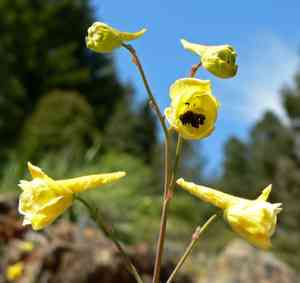
To ensure the vigorous development of yellow larkspur, the ideal period for relocation is from early to mid-spring, taking advantage of cooler weather and damp ground. Select a bright location with soil that drains effectively, and gently support the roots during the transplanting process for successful integration.
Necessary Preparations Before Relocating Yellow Larkspur?
Optimal Period for Relocating Yellow Larkspur?
The perfect time for relocating yellow larkspur is at the onset of spring, typically from the initial thaw through mid-spring. Moving yellow larkspur during this timeframe leverages mild temperatures and adequate moisture, fostering root development before summer's heat. This timing allows yellow larkspur a full growth cycle to strengthen and flourish in your garden with reduced plant stress.
Required Spacing Between Yellow Larkspur Plants?
When relocating your yellow larkspur, aim to provide ample room for each plant to thrive. Position them approximately 12-18 inches (30-46 cm) apart, promoting healthy development and air circulation.
Best Soil Mixture for Yellow Larkspur Relocation?
Your yellow larkspur will flourish in rich, well-draining soil. Prior to relocation, incorporate organic compost or a balanced, slow-release fertilizer to give yellow larkspur's roots a nutritious start.
Ideal Location for Your Yellow Larkspur?
Select a site for your yellow larkspur where it will receive abundant sunlight. These plants adore the sun, so choose an area that gets full to partial sunlight for most of the day for optimal growth.
Equipment to Prepare Before Relocating Yellow Larkspur?
Gardening Gloves
To safeguard your hands while handling soil and plants.
Trowel or Shovel
For excavating the plant and preparing the new planting site.
Garden Fork
To loosen the soil surrounding the plant's root system.
Pruning Shears
To trim any damaged roots or foliage before relocation.
Watering Can or Hose
To hydrate the yellow larkspur before and after relocation.
Wheelbarrow or Plant Carrier
To safely transport the yellow larkspur to its new spot.
Stake or Plant Support
To provide support for the yellow larkspur if needed once relocated.
How to Extract Yellow Larkspur from the Soil?
How to Extract Yellow Larkspur from the Soil?
From Ground: First, water the yellow larkspur to soften the earth. Then, use a garden fork to loosen the soil around the plant. Carefully create a trench with a trowel or shovel around the root ball, being cautious not to harm the roots. Gently slide the shovel beneath the root ball to lift the yellow larkspur from the ground.From Pot: Water the yellow larkspur and allow it to drain. Tilt the pot sideways and gently tap the bottom to dislodge the plant. Support the yellow larkspur's base with one hand and with the other, pull the pot away. If the plant is root-bound, carefully separate the roots before relocation.From Seedling Tray: Water the seedlings gently. Use a trowel or a small spoon to scoop the yellow larkspur seedlings out of their tray cells, ensuring the root ball remains intact with minimal root disturbance.
Step-by-Step Guide for Relocating Yellow Larkspur
Plant Removal
Wearing your gardening gloves, use the appropriate method from the removal process to extract the yellow larkspur from its original location, ensuring the root ball stays intact.
Hole Preparation
Dig a hole in the ground slightly larger than the yellow larkspur's root ball. Loosen the soil at the bottom of the hole with a garden fork to facilitate easier root growth.
Plant Positioning
Place the yellow larkspur in the center of the hole, gently spreading the roots if they are clustered or circling. Ensure the plant is at the same depth as before or slightly deeper to support stem growth.
Backfilling Soil
Refill the hole with the excavated soil, gently firming it around the root ball to eliminate air pockets. Avoid compacting the soil too tightly to allow for proper drainage.
Watering
Water the yellow larkspur thoroughly after planting to settle the soil and hydrate the roots. Use a watering can or hose to gently apply water at the plant's base.
Supporting
If the yellow larkspur is tall or unstable, insert a stake or plant support at this time and gently secure the yellow larkspur to prevent wind damage.
Post-Relocation Care for Yellow Larkspur?
Monitoring Plant Health
Observe the yellow larkspur for signs of relocation shock, such as wilting or discolored leaves, and take necessary steps to alleviate stress.
Consistent Watering
Ensure the yellow larkspur receives regular watering to keep the soil consistently moist, aiding root recovery and establishment in its new environment.
Mulching
Apply a layer of mulch around the yellow larkspur's base to help maintain soil moisture and temperature, and to reduce weed competition.
Adjusting Support
Periodically check stakes or plant supports and adjust them as the yellow larkspur grows to ensure it remains stable and supported.
Troubleshooting Common Issues with Yellow Larkspur Relocation.
What's the ideal timing for relocating yellow larkspur?
The prime period to relocate yellow larkspur is when spring is newly arrived, from its initial phase to its midpoint, ensuring the ground is receptive and active.
How much space does yellow larkspur require during relocation?
When relocating yellow larkspur, allow a spacing of 12 inches (30 cm) to 18 inches (45 cm) between each plant for optimal development.
What soil type is best for relocating yellow larkspur?
For yellow larkspur, select well-draining soil rich in organic matter to create a welcoming bed for its new roots.
How deep should the hole be for relocating yellow larkspur?
Excavate a hole that snugly accommodates the yellow larkspur's root ball, typically about the same height as its original container.
What if yellow larkspur wilts after relocation?
Do not worry! Ensure yellow larkspur has consistent moisture and shield it from intense sun while it acclimates. Patience is crucial; it might just be relocation shock.
How often should I water yellow larkspur after relocation?
Water yellow larkspur generously upon relocation, then maintain consistent moisture without overwatering as it establishes itself in its new home.
Why are my yellow larkspur's leaves yellowing post-relocation?
Yellow leaves could indicate overwatering or poor drainage. Confirm yellow larkspur's new location has soil that allows water to drain freely.
What sun exposure does yellow larkspur need after relocation?
Find a suitable spot where yellow larkspur can enjoy full sun to partial shade, ensuring it receives sufficient light for vigorous growth.
Should I fertilize yellow larkspur after relocation?
After relocating yellow larkspur, wait a few weeks before applying a balanced, slow-release fertilizer to prevent damage to tender roots.
My yellow larkspur isn't thriving post-relocation, what could be wrong?
Ensure yellow larkspur is not in waterlogged soil, review your watering schedule, and consider the lighting. If problems persist, check for pests or diseases.



