Enhancing Your Garden Design with the Yellow larkspur Plant: A Landscaping Guide
1
The vivid hue of Yellow larkspur can immediately enliven any garden area.
2
Strategic positioning of Yellow larkspur is essential for optimizing its visual charm.
3
Integrating Yellow larkspur with other suitable flora can result in a balanced garden aesthetic.
Introducing Yellow Larkspur to Your Landscape
Yellow Larkspur's Visual Charm Overview
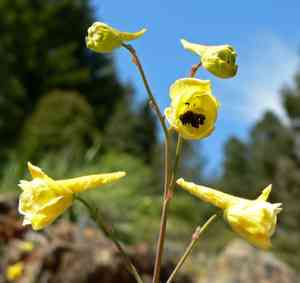
A primary reason to incorporate Yellow Larkspur into your garden design is its distinct and lively visual appeal. The unique hue of Yellow Larkspur imparts a warm, cheerful ambiance to any garden area. This plant's striking look can make it a prominent feature in your landscape, drawing attention and adding a touch of sophistication.
The Significance of Color in Garden Design
Color plays a crucial role in garden aesthetics, and Yellow Larkspur offers a beautiful shade that can complement various garden themes. Integrating Yellow Larkspur into your garden can brighten up drab areas and foster a vibrant atmosphere. When planning your garden's color scheme, consider how Yellow Larkspur can serve as a main color or an accent to enhance the overall look. Combining different tones and pairing Yellow Larkspur with contrasting colors can make your garden visually appealing and harmonious.
Choosing the Best Location for Yellow Larkspur
Considering Light and Shade Requirements
Selecting the appropriate spot for Yellow Larkspur is vital for its health and visual effect. Yellow Larkspur thrives in conditions with ample sunlight, though it can endure some partial shade. When choosing a site, ensure Yellow Larkspur receives at least six hours of direct sunlight daily, which boosts its flowering and growth. However, be mindful of intense afternoon sun; a location with morning sun and afternoon shade might be ideal.
Preferred Soil Types for Yellow Larkspur
Yellow Larkspur favors well-drained soil rich in organic matter. Before planting, it's wise to enrich your garden soil with compost or aged manure to improve its fertility and drainage. A soil test can also be beneficial to determine the pH level, ideally slightly acidic to neutral for Yellow Larkspur's optimal development. Regular mulching around the plant's base helps retain moisture and maintain soil vitality.
Pairing Yellow Larkspur with Other Flora
Companion Planting Ideas for Yellow Larkspur
Companion planting with Yellow Larkspur involves choosing plants that will flourish alongside it and enhance it both visually and functionally. Plants like lavender, coneflowers, and ornamental grasses make excellent companions, offering a pleasing contrast to Yellow Larkspur's blooms. Additionally, these companion plants can help deter pests and create a balanced ecosystem in your garden.
Balancing Plant Heights and Hues
When designing your garden layout, consider Yellow Larkspur's height and color. It pairs wonderfully with shorter plants in the foreground and taller plants or shrubs in the background, creating a layered effect that adds depth and dimension to your garden. Mixing Yellow Larkspur with plants of complementary colors can boost visual appeal and ensure your garden looks cohesive and thoughtfully planned.
Care Guidelines for Yellow Larkspur in Your Garden
Routine Upkeep and Seasonal Care
Maintaining Yellow Larkspur involves consistent watering, especially during dry periods, to keep the soil uniformly moist but not waterlogged. Removing spent flowers encourages more blooms and keeps the plant looking neat. Applying a balanced fertilizer during the growing season can provide essential nutrients. Furthermore, pruning Yellow Larkspur in late autumn helps prepare it for the next season.
Addressing Common Issues with Yellow Larkspur
Like all plants, Yellow Larkspur may encounter challenges such as pests, diseases, and unfavorable weather. Watching for signs of common problems like aphids, powdery mildew, or root rot can help you address them quickly. Employing natural pest control methods and ensuring good air circulation around the plant can alleviate many of these issues and keep Yellow Larkspur healthy and vibrant.
Design Strategies and Placement for Maximum Effect
Strategic Placement for Visual Impact
Positioning Yellow Larkspur thoughtfully within your garden can maximize its visual effect. Consider planting it in clusters or groups to create a bold statement and a burst of color. Placing Yellow Larkspur near paths or garden edges can draw the eye and guide visitors through the garden. Using Yellow Larkspur as a key element in garden beds can break monotony and add interest.
Utilizing Yellow Larkspur as a Central Feature
Given its striking color and appearance, Yellow Larkspur can serve as an excellent focal point in your garden landscape. Placing it at the center of a garden bed or in a prominent spot in your yard can highlight its beauty and make it a centerpiece. Surrounding Yellow Larkspur with complementary plants and decorative elements can further enhance its role and make your garden more visually engaging.



